A team of Australian biologists has developed a scanning device to accurately detect the potency of cannabis plants long before they are harvested. No, it’s not about choosing the best buds to explode.
It’s important for medical cannabis growers to know if the weed they’re growing is actually so strong that they risk violating regulations regarding the amount of tetrahydrocannabinol (THC) in the plant. THC is the psychoactive compound that gets you high when you ingest cannabis, whether it’s in a drink, edible, or smoking a joint.
Industrial hemp farmers also need this information because their crops are subject to strict THC limits. “The ability to predict cannabinoid profiles weeks in advance of harvest will have a significant impact on cannabis production, allowing growers and breeders to improve product quality, reduce costs and ensure regulatory compliance,” said Dr Aaron Phillips from the University of Adelaide, who led the study published in 2006. industrial crops and products this month.
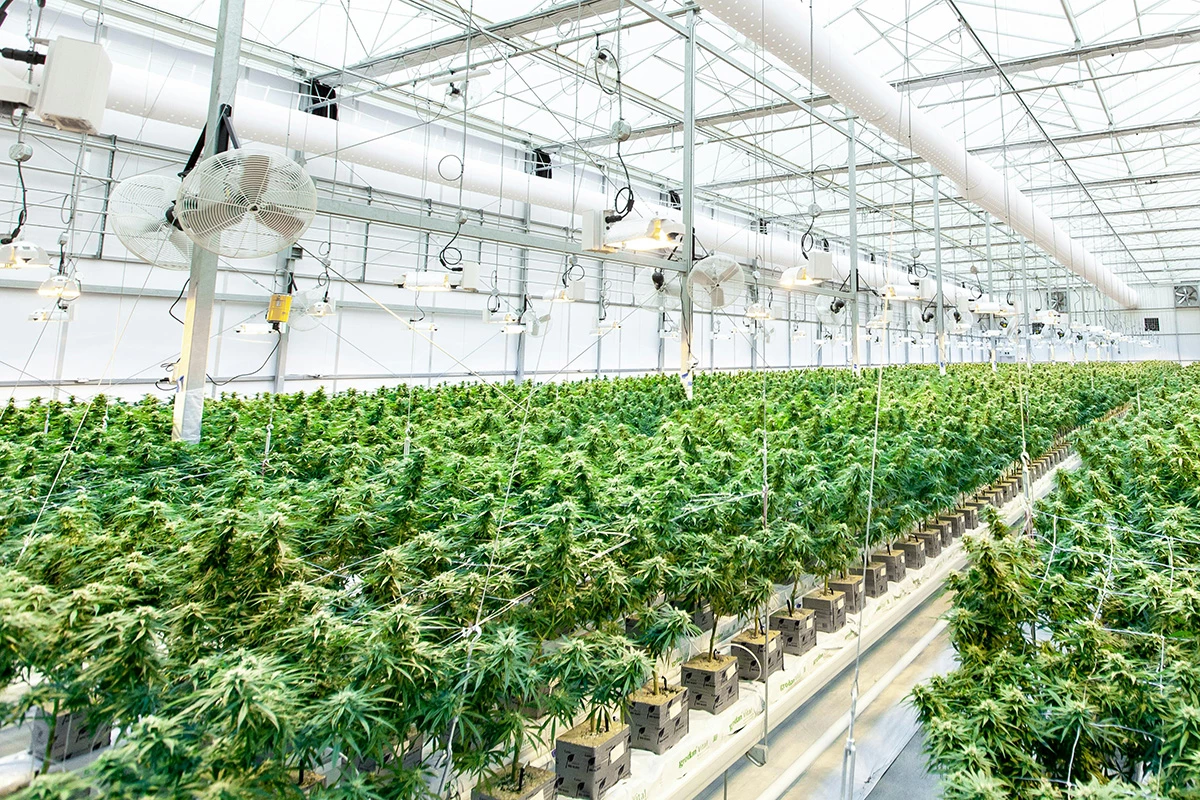
Growers can also identify and prioritize plants predicted to have the best cannabinoid content, avoiding wasting attention and resources on lower quality specimens. Additionally, predicting cannabinoid content can help growers identify the earliest optimal harvest time, which maximizes final yield and minimizes overall growth cycle duration. This data also helps researchers classify and differentiate varieties and helps breeders select diverse parent plants early in development without extensive phenotyping.

To help growers understand what’s going on inside these plants, the team devised a leaf scanning method that works on intact fan leaves and provides instant measurements. This eliminates the need to cut samples and test them in the laboratory using expensive and labor-intensive methods such as high-performance liquid chromatography (HPLC) and gas chromatography combined with mass spectrometry (GC-MS), which require hazardous chemicals.
It features a technology called Fan Leaf Hyperspectral Reflectance (FLHR), which takes measurements across the entire plant canopy during early and late flowering. This is achieved using special broadband halogen lighting and a spectroradiometer (or should I say scanner) that measures the exact color (wavelength) of the light reflected back, allowing us to ‘see’ the biochemical composition inside the leaf without having to cut it. The research team used a spectroradiometer to capture and read data across 2,151 wavelength bands from a tiny spot on the leaf.
Combined with a machine learning model that searches for patterns in spectral data from leaf scans that consistently correlate with desired cannabinoid concentrations, the researchers’ technique reliably predicted the final cannabinoid content of mature plants.

Image provided by: researcher
The machine learning model is fed the spectral profile of the plant’s leaves, along with the actual cannabinoid concentrations that the plant’s flowers ultimately produce. To ensure the reliability of the model, the study used a “leave-one-out” validation scheme. This means that the model was trained on data from nearly every plant in the experiment and then tested on one plant it had never seen before. This process was repeated for all 70 plants studied to check the performance of the model under realistic conditions.
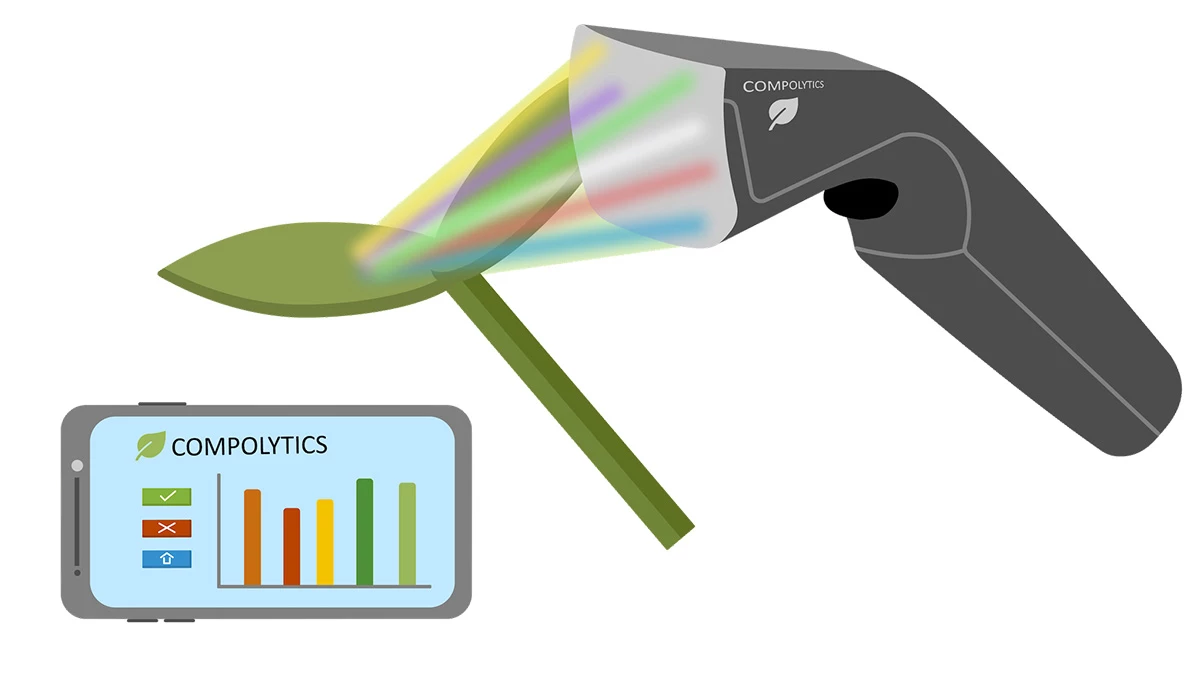
The researchers plan to continue developing this technology to include more genotypes and test the earliest points in the growth cycle where the cannabinoid content of flowers can be accurately predicted at harvest. The company is also working with German spectrum sensing company Compolytics to build a device the same size as a supermarket barcode scanner for its FLHR system. Dr. Phillips said the goal for future scale-up is to “test a drone-based approach that can scan hemp fields to find plants that exceed legal THC limits.”
Source: University of Adelaide