

Netflix is preparing to introduce new features that could change the way users discover content on the platform. The company plans to roll out a vertical video feed similar to what people are used to from apps like TikTok and Instagram. This feed shows short clips of movies, series, and video podcasts. Users can scroll through these clips and quickly decide what they want to see. Start an entire title with one tap, save it for later, or share it with others.
This new feature reflects broader changes in the way people consume content online. Instead of searching for titles or browsing menus, many users prefer to discover content by scrolling more passively. Platforms like YouTube are already taking this approach with short-form videos. Netflix is trying to keep users engaged for longer by bringing this format to its app. The idea is to reduce the time it takes to choose what to watch and make the experience more intuitive.
Netflix has been testing this vertical feed since last year and is now ready to launch it more widely. The company believes that short clips can directly drive users to watch full-length content. This approach also opens the door to new formats, such as video podcasts, which are becoming increasingly popular. By including them in its feed, Netflix is expanding beyond its usual mix of movies and series.
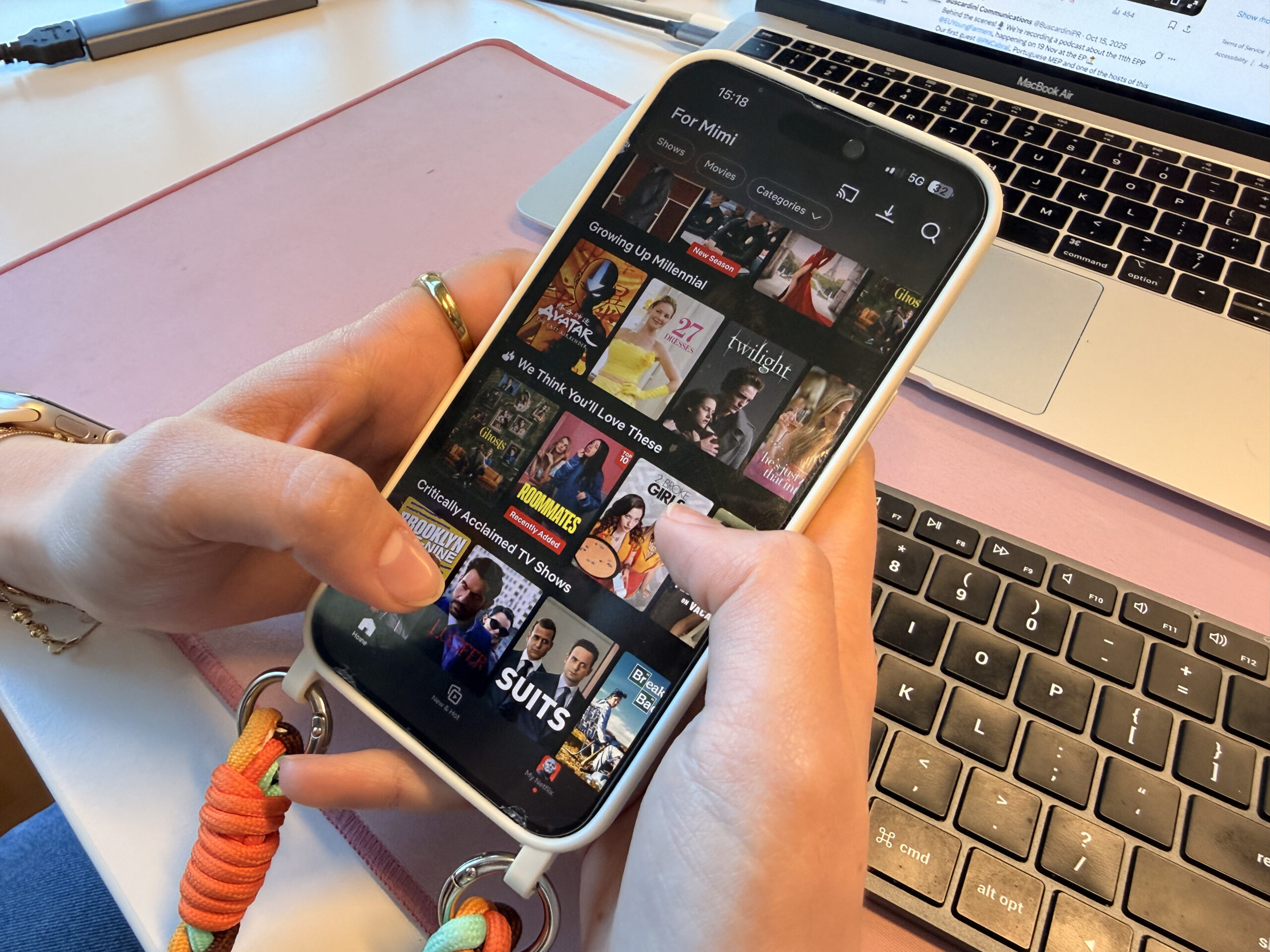
Artificial intelligence is also a key part of this strategy. Netflix already uses AI to recommend content, but they want to improve these systems even further. Last year, the company introduced AI-powered search tools to help users search for content using more natural language. This allows Netflix to understand the preferences of its viewers and to suggest content more precisely tailored to their tastes.
“We’ve been working on personalization and recommendations for 20 years, and we think there’s still a lot of room for improvement with new technologies,” said Gregory Peters. He explained that new AI systems will help improve recommendations and make updates more efficient. This means the platform can better tailor its suggestions depending on what the user is watching, whether it’s a series, documentary, or short clip. The goal is to make it easy for users to find the content they want without having to spend too much time searching.
Competition in the entertainment industry is evolving. Netflix no longer only competes with other streaming services, but also with the social media platforms that make up a large portion of people’s viewing time. Short-form videos have become one of the most popular ways to consume content, especially on mobile devices. By adopting this format, Netflix is trying to stay relevant in a crowded digital landscape.

There are also potential benefits for travelers as their viewing habits change. Many people watch content on their mobile phones while commuting, flying, or waiting at the airport. Short video feeds help you quickly find what you need to watch in a limited amount of time. We may also highlight travel documentaries and series that users might not have found otherwise. This makes the platform more flexible for people who travel frequently.
Netflix’s strategy is supported by strong financial results. The company reported first-quarter 2026 revenue of $12.25 billion (€10.6 billion), an increase of more than 16% year-on-year. Profits rose significantly to $5.28 billion (€4.7 billion), showing that the company’s business model remains strong. At the same time, co-founder Reed Hastings plans to retire from the board, marking a new phase for the company. With more than 300 million subscribers worldwide, Netflix continues to find new ways to grow.
The introduction of vertical feeds raises new questions about the future of streaming. This could lead to new types of content, such as short videos created specifically for mobile viewing. Clips will also become an important part of discovery, potentially changing the way movies and series are promoted. If successful, other streaming platforms may follow this approach. At the moment, Netflix aims to combine long-form entertainment with fast-paced style short-form videos.


