
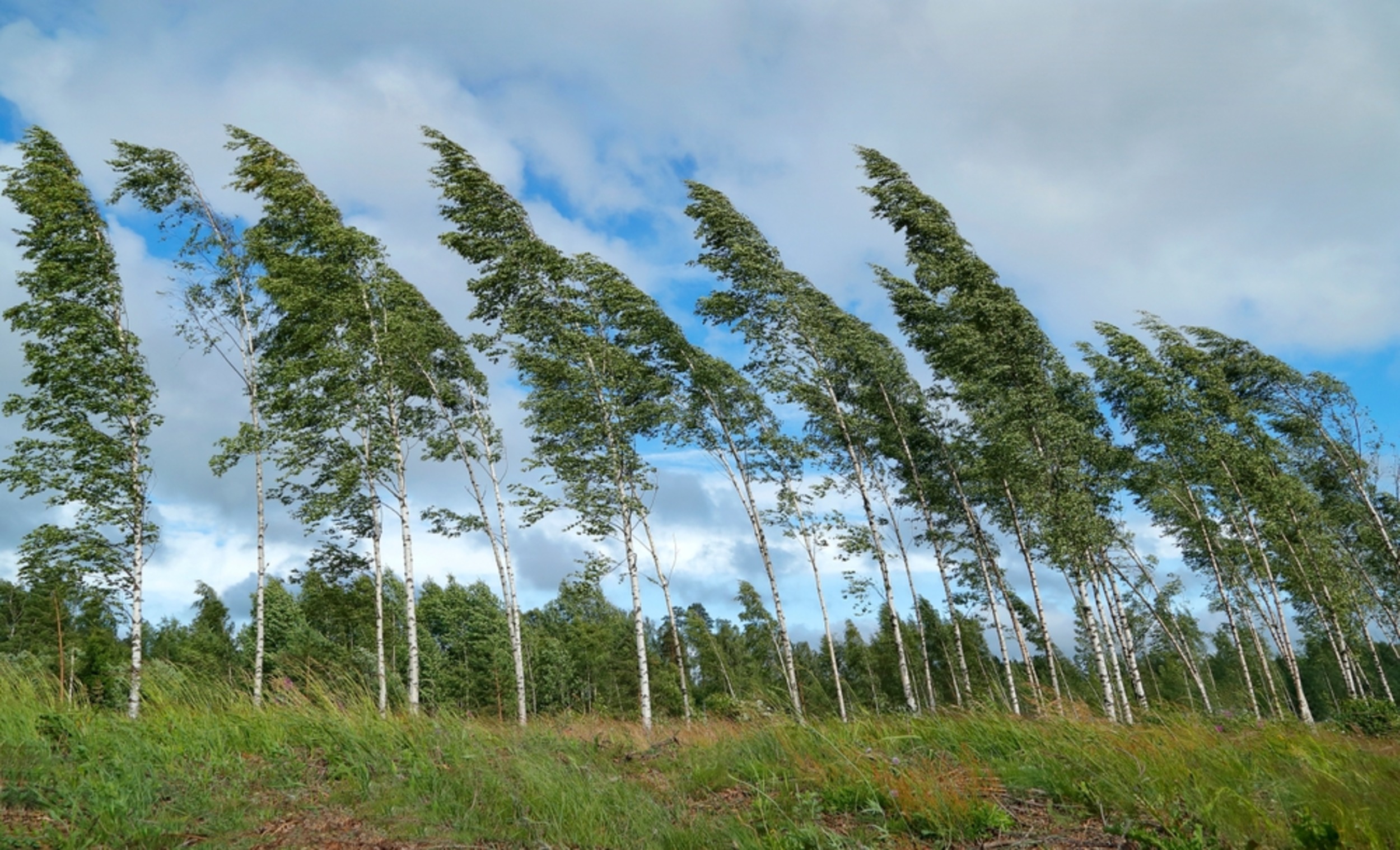
For most of the history of meteorology, wind has been the most uncooperative variable of the atmosphere. Temperature can be accurately read from a thermometer and pressure from a barometer. However, air movement itself has not been easily observed from the air for a long time.
A study by researchers at the University of Arizona describes how machine learning can capture horizontal winds from the silent drifts of water vapor across the tropical and mid-latitude skies.
Why it’s difficult to measure wind
This technique addresses stubborn observation gaps that have plagued forecasters for generations. Twice-daily radiosonde launches still cost $400 to $500 each, according to the National Weather Service.
These balloon stations remain sparse in Africa, the Amazon, and over the open ocean. The result is vast swathes of the atmosphere where no direct wind measurements exist.
Cloud top tracking, refined since the pioneering work of Tetsuya Fujita at the University of Chicago in the 1960s and 1970s, captures only the movement of clouds where they happen to form. This leaves a blind belt of air between approximately 2 and 4.5 miles (3.2 and 7.2 kilometers), as described in the technical literature of the European Center for Medium-Range Weather Forecasts.
Doppler wind lidar sweeps the vertical curtain of the sky with great precision. But they only study one slice at a time, leaving the rest of the atmosphere unsampled.
Steam reading with machine learning
Lead author Amir Oyed and Shubin Zeng, an atmospheric scientist at the University of Arizona, combined infrared images from two NOAA polar-orbiting satellites flying in the same orbit 50 minutes apart.
Machine learning algorithms then tracked subtle vapor patterns that are invisible to the human eye. Output: Wind vectors at multiple altitudes within a single atmospheric column.
The current pixel size of 62 miles (100 kilometers) is coarse for operational forecasting. The team is targeting 6 miles (10 kilometers) resolution for the planned satellite mission.
The orbit is based on lessons from the European Space Agency’s Aeolus mission, which was retired in July 2023 after providing the world’s first wind observations from space.
Why is better wind important?
Better wind data spills over into nearly every important forecast. The World Meteorological Organization has long recognized that wind observations are the weakest link in the global observing system, especially in the tropics, southern oceans and polar regions.
A sudden impact would worsen the outlook for hurricanes and severe storms. These could help airlines reroute routes to avoid volcanic ash plumes and improve El Niño forecasts.
It will also power a new generation of AI weather models that rely on a wealth of global information to predict the future.
After decades of guessing where the air goes, scientists are finally starting to observe how it moves.
The entire study was published in the journal Geophysical Research Letters.
—–
Buy Earth.com gear here!
Like what you read? Subscribe to our newsletter for fascinating articles, exclusive content and the latest updates.
Check out EarthSnap, a free app from Eric Ralls and Earth.com.
—–

