
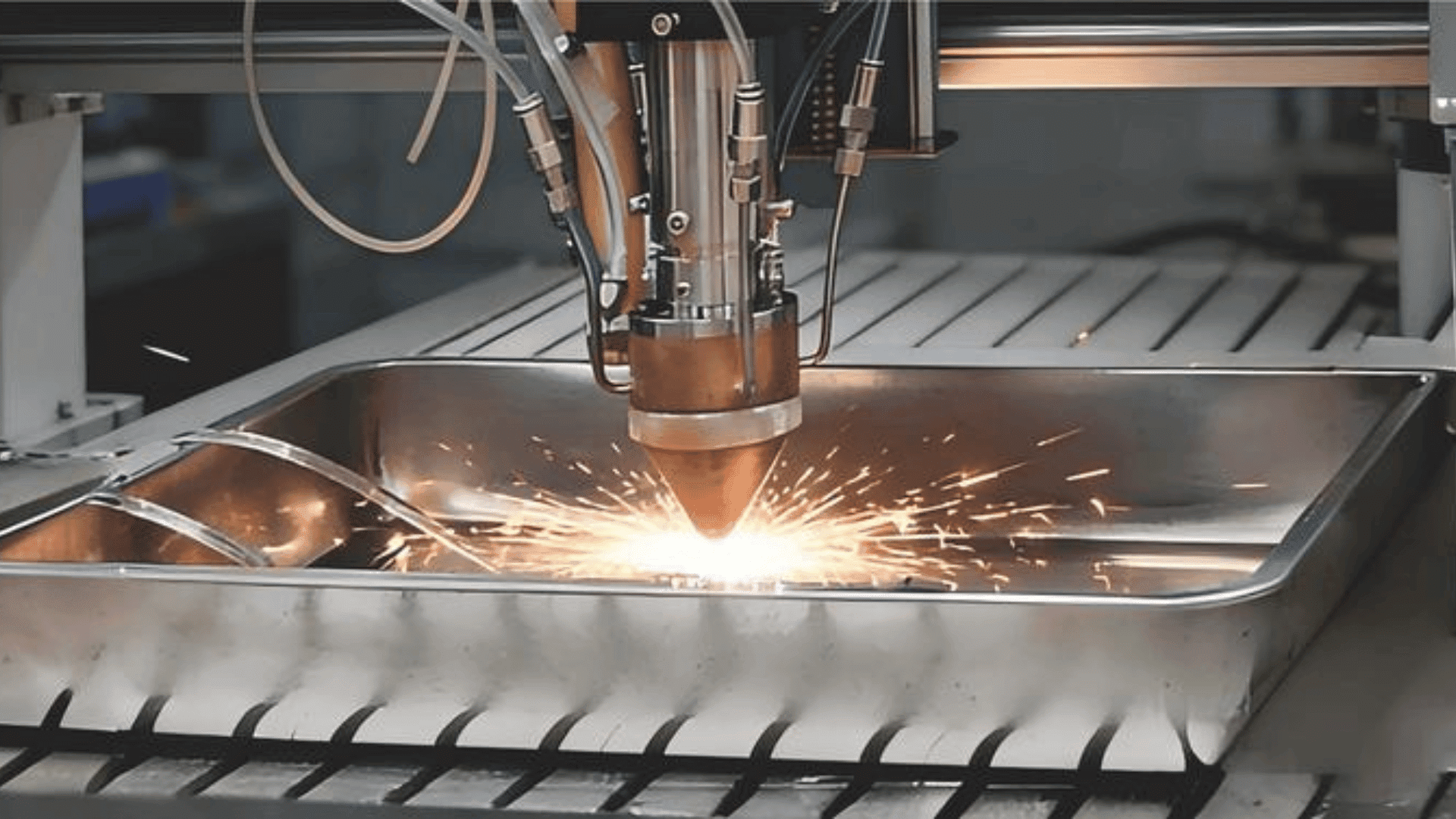
Producing strong steel for 3D printing is typically a slow and expensive process. To obtain a metal that is both tough and flexible, engineers typically have to add expensive components such as cobalt or molybdenum. Still, the parts must be kept in industrial furnaces for several days to reach maximum strength and are still prone to rust.
A team of researchers from South China University and Purdue University has found a way to bypass the trial-and-error stage. Instead of guessing which metals to mix, we used smart machine learning models to find the perfect recipe. The result is a new type of steel that is cheaper to produce, less rusty, and takes only a few hours to process.
Map metals using AI
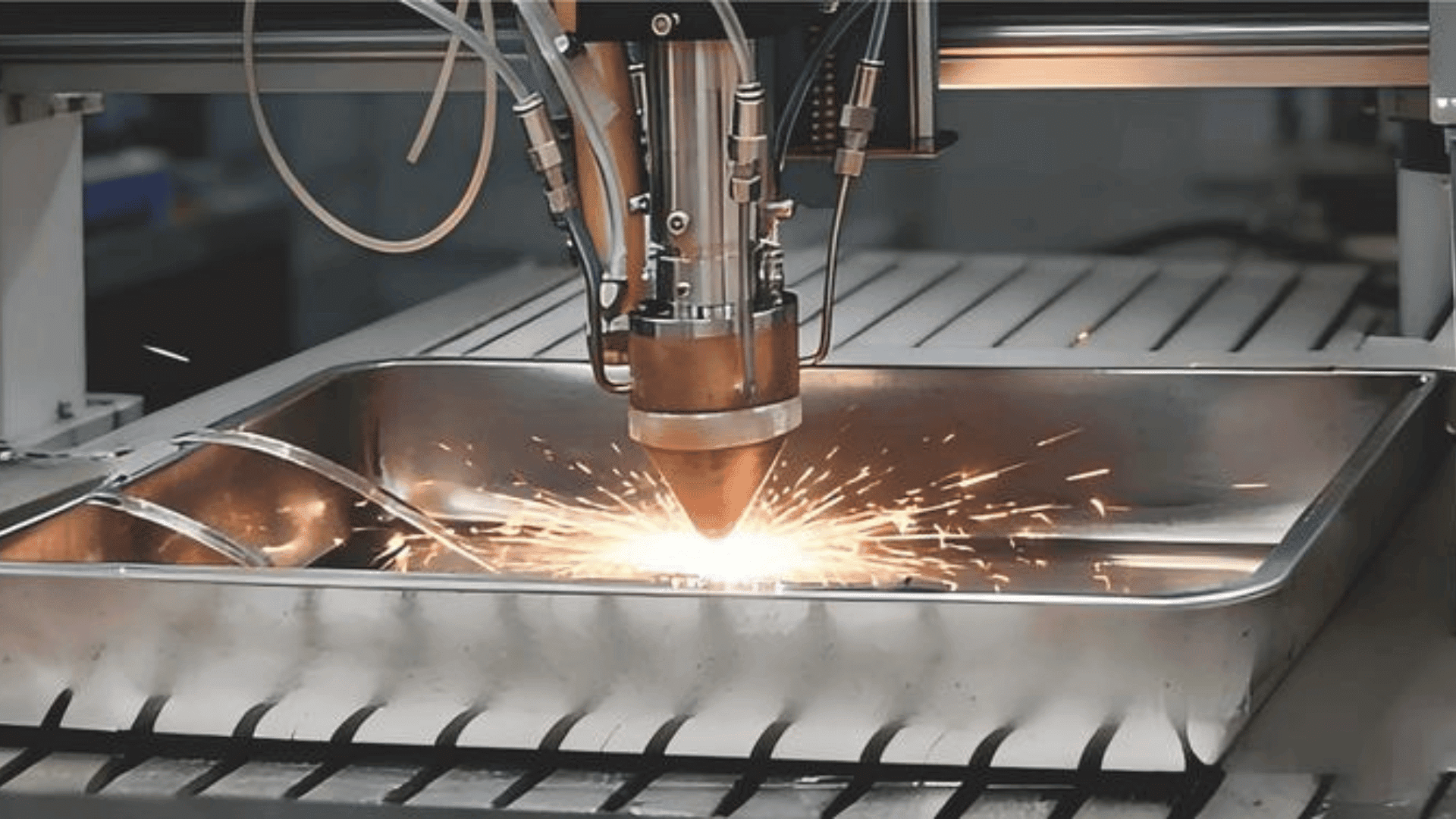
The researchers input 81 physical and chemical properties of the elements into the algorithm, including the size of the atoms and the speed at which sound travels through them.
The computer suggested a specific mixture of iron and chromium mixed with small amounts of budget-friendly elements such as silicon, copper, and aluminum. After this mixture was 3D printed, it was baked for just 6 hours. The results were exactly as the computer predicted. The steel is now 30% stronger and twice as flexible than it was before heat treatment.
This happened because a short stint in the furnace created a small “failure” inside the metal. These microscopic particles prevent cracks from propagating, and the soft pockets of metal act like shock absorbers, keeping them from cracking under pressure.
solve rust problems
One of the biggest accomplishments was solving the corrosion problem. Typically, when you make steel this strong, it loses its ability to resist rust. But in this new recipe, the copper particles actually help evenly distribute the rust-fighting chromium. In salt water tests, this new alloy showed far greater durability than the standard stainless steel used in many industries today.
This particular AI model works best for the exact type of 3D printing the researchers used. If you want to use it for a different manufacturing method, you will need to adjust the data.

