Sepsis is a life-threatening condition characterized by a dysregulated host response to infection and remains a major challenge in critical care. As defined by the Third International Consensus Definition of Sepsis (“Sepsis-3”)49sepsis is accompanied by acute organ dysfunction due to systemic inflammation. Its pathophysiology includes immune hyperactivity, extensive inflammation, thrombosis, and microcirculatory disturbances, often leading to multiple organ dysfunction syndrome (MODS). Despite medical advances, sepsis remains the leading cause of death in ICU patients worldwide29.
The clinical manifestations of sepsis are highly heterogeneous and depend on factors such as site of infection, comorbidities, and timeliness of intervention.4. This variability and incomplete understanding of the underlying mechanisms complicate the development of universally effective treatments.15, 44, 45. As a result, efforts have increasingly shifted to individualized interventions. However, no consensus has yet been reached on the optimal treatment strategy.12.
One important aspect of the pathophysiology of sepsis is its impact on glucose metabolism. In the early stages, the stress response causes increased glycogenolysis and gluconeogenesis, leading to increased blood sugar levels. This is a condition known as stress hyperglycemia.33,38. This response is mediated by increased levels of stress hormones such as epinephrine, cortisol, and glucagon, which promote insulin resistance and hepatic glucose production.9,10,27,32,58.
some research2,53,59 We demonstrated that hyperglycemia in sepsis is associated with worse outcomes due to increased inflammation, immunosuppression, and prolonged recovery. Furthermore, elevated blood sugar levels correlate with increased mortality and reinforce the vicious cycle of inflammation and metabolic stress.42. Glycemic control is a central therapeutic goal, but the optimal blood glucose range remains controversial. Some people advocate strict regulations26,52Others, however, warn of the risk of hypoglycemia and advocate a gentler approach.19.
Large scale clinical trial6,51,52 They highlight the importance of precise glycemic control in improving sepsis outcomes and emphasize the need for individualized treatment strategies based on clinical judgment. Recent developments in digital health technologies such as artificial intelligence (AI), machine learning (ML), digital twins (DT) and non-invasive bedside monitoring offer new opportunities to advance personalized sepsis care.18,30.
AI reveals complex disease patterns and enables predictive modeling based on historical and real-time patient data, thereby supporting clinical decision-making.13,54. DT technology in healthcare integrates domain knowledge, real-time monitoring, and AI/ML-driven models to build a virtual representation of a patient or medical condition. This allows for continuous tracking of disease progression and personalized prediction of treatment response, laying the foundation for dynamic and adaptive care strategies.30.
The integration of AI and DT holds particular promise in sepsis management, especially in ICUs and emergency settings where time-sensitive interventions are critical. By leveraging data-driven modeling and virtual simulation, clinicians can tailor treatment strategies to individual patients, potentially improving patient outcomes in real time.
Modern AI/ML pipelines are demonstrating significant predictive capabilities in demanding scientific fields such as civil and hydraulic engineering. For example, the CatBoost model accurately predicts infiltration parameters for hydraulic structures. 17 Significantly improve construction cost estimation 16. Apply explainable XGBoost and random forest models to predict saltwater intrusion into aquifers 5 Predict the structural capacity of hybrid columns 62. Furthermore, ensemble classifiers such as LightGBM effectively classify the compressive strength of concrete. 3. SHapley Additive exPlanations (SHAP) has been employed in many studies on neural networks in identifying dominant physical factors and ranking their importance.
Sepsis research has also successfully applied interpretable AI/ML pipelines to leverage large-scale ICU electronic health records (EHRs) to stratify risk for sepsis-related outcomes. These models were successful in predicting sepsis-associated delirium by identifying key clinical predictors. 48 Incidence of sepsis in high-risk cohorts such as ischemic stroke patients 37. Studies have also highlighted the prognostic value of novel biomarkers and ratios of laboratory values such as the glucose-to-albumin ratio for mortality. twenty one Metabolic inflammatory index in pancreatitis 60. Furthermore, the model for complications such as hypoalbuminemia shows strong generalizability across cohorts. 56. Altogether, these findings establish a paradigm that combines disease-specific features with interpretable ML and multicohort validation, which guides the current study.
In this study, we extend ML applications to the more demanding challenge of real-time prediction. To accomplish this, a series of machine learning models are applied to longitudinal data on blood glucose levels and insulin dosing that are continuously collected at the patient’s bedside. The primary objective is to build an AI-powered personalized predictive toolbox for individual sepsis patients with hyperglycemia. This toolbox is designed to predict patient-specific glucose trajectories, providing real-time feedback and the basis for treatment adjustments. Once trained, the models in the toolbox can be efficiently adapted to new patients through transfer learning or hyperparameter tuning, supporting scalable and generalizable deployment across broader clinical populations.
Traditionally, physiological data over time have been primarily modeled using a mechanistic approach of systems of ordinary differential equations (ODEs). One of the most well-known models in this context is the Bergman minimal model, which describes glucose-insulin dynamics using ODEs based on medically established mechanisms.7. Since then, several models have been developed and calibrated against coarse-grained clinical data to simulate the interaction of glucose and insulin.8,14,24,25,34,41,50. Although these models can qualitatively capture short-term glucose dynamics, their long-term predictive ability is limited. This limitation is mainly due to the sensitivity of dynamical systems to initial and boundary conditions and oversimplified mechanisms and structures. Errors in parameter estimation or inaccurate initial conditions can cause large deviations in long-term predictions.
This challenge is further exacerbated by the inherent complexity of the human body, which exhibits high dimensionality and diversity. Modeling such complex systems using low-dimensional ODEs with simplified structures inherently limits the model’s ability to capture the complete physiological dynamics. Therefore, individualized modeling that takes into account uncertainties and patient-specific variations is better suited for predicting outcomes, especially in critically ill patients.
Recent advances in ML have opened new spaces for data-driven modeling in healthcare13,54. ML-based diagnostic systems have been developed for various diseases. For example, Khanna et al. propose a decision support system for osteoporosis risk prediction using feature selection and explainable AI to increase interpretability.31;Nayak et al. We developed a deep learning framework for monkeypox detection using transfer learning and explainable techniques39; and Chadaga et al. Introducing a stacked ML model to differentiate mild to moderate COVID-19 infections from other respiratory diseases based on hematological biomarkers11. Although these tools support early diagnosis, their application in the management of ongoing critical conditions such as sepsis is still limited.
In contrast, this study focuses on real-time management by leveraging continuous glucose monitoring (CGM) data and ML models to predict blood glucose levels over a clinically relevant period in an ICU setting. The goal is to provide timely, actionable insights to improve patient care.
Some studies are also beginning to integrate ML into glucose monitoring systems. For example, Fitzgerald et al. We demonstrated the use of continuous-time recurrent neural networks (CTRNNs) to address the challenge of blood glucose prediction in complex medical environments with irregular sampling intervals.20. CTRNN preserves hidden state dynamics between observations and overcomes the limitations of traditional time series models. This feature positions CTRNN as a promising tool for ICU blood glucose prediction and broader irregular time series applications in healthcare.
Despite advances in CGM technology, practical challenges such as data sparsity, noise, and sensor errors still remain. To achieve accurate and robust predictions, it is essential to select an appropriate model that fits well to the characteristics of the data. In this study, we leverage high-resolution bedside CGM data to develop and benchmark several ML models for personalized blood glucose prediction in sepsis patients.
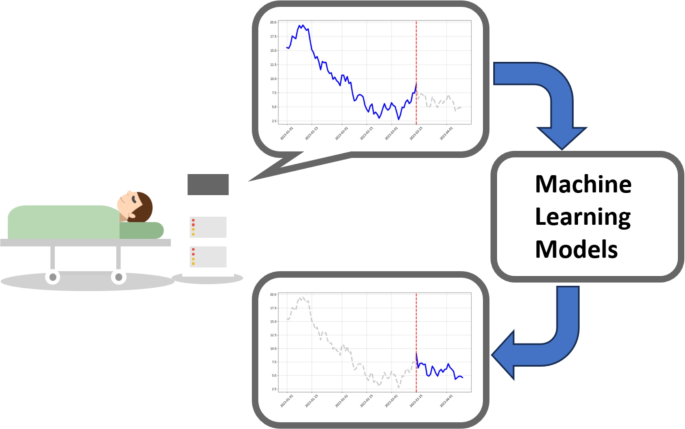
Figure 1 shows the complete workflow of the data-driven approach, including patient data acquisition, preprocessing, model training, and predictive analysis. The central challenge of this pipeline is to identify a model that is capable of making robust predictions using a fixed-length lookback window (a set of recent observations used to predict future values). To address this challenge, this study systematically evaluates five advanced machine learning models, training and validating the models using continuous blood glucose data from a single patient, and evaluating performance on a holdout dataset consisting of approximately 20% of the collected data.
Trans-based models have recently achieved remarkable success in time series forecasting due to their ability to model long-range dependencies, and four such models are evaluated in this study.40iTransformer35Crossformer64and FED yuan65. Each model employs unique architectural innovations to balance predictive accuracy and computational efficiency. In addition, DLinear63 Recent benchmarks also evaluated a simple yet powerful linear prediction model that outperformed many Transformer variants. Finally, this study investigates an ensemble zero-shot inference approach using ChatGPT-4 for prediction.twenty three. This zero-shot inference method treats time series as text input and provides predictions without task-specific retraining. To reduce uncertainty and promote prediction robustness, we employ an ensemble approach to produce the desired results. That is, after repeatedly querying ChatGPT-4 k times with well-defined prompts, the median of the responses is taken as the final predicted value. The ability to deploy quickly and with low overhead makes it an attractive candidate for real-world clinical settings.
Although these models have shown good performance on common time series benchmarks, their application to clinical blood glucose level prediction has not yet been fully explored. This study fills that gap by conducting a comprehensive head-to-head comparison of advanced ML models applied to continuous blood glucose data collected from patients in the ICU. These findings will facilitate model selection and formation of deployment strategies to enhance glycemic control in critically ill patients in the ICU.

Workflow showing the process from patient data collection to data processing, model training, and analysis with machine learning models. The end result is the generation of a prediction based on a predetermined lookback window.