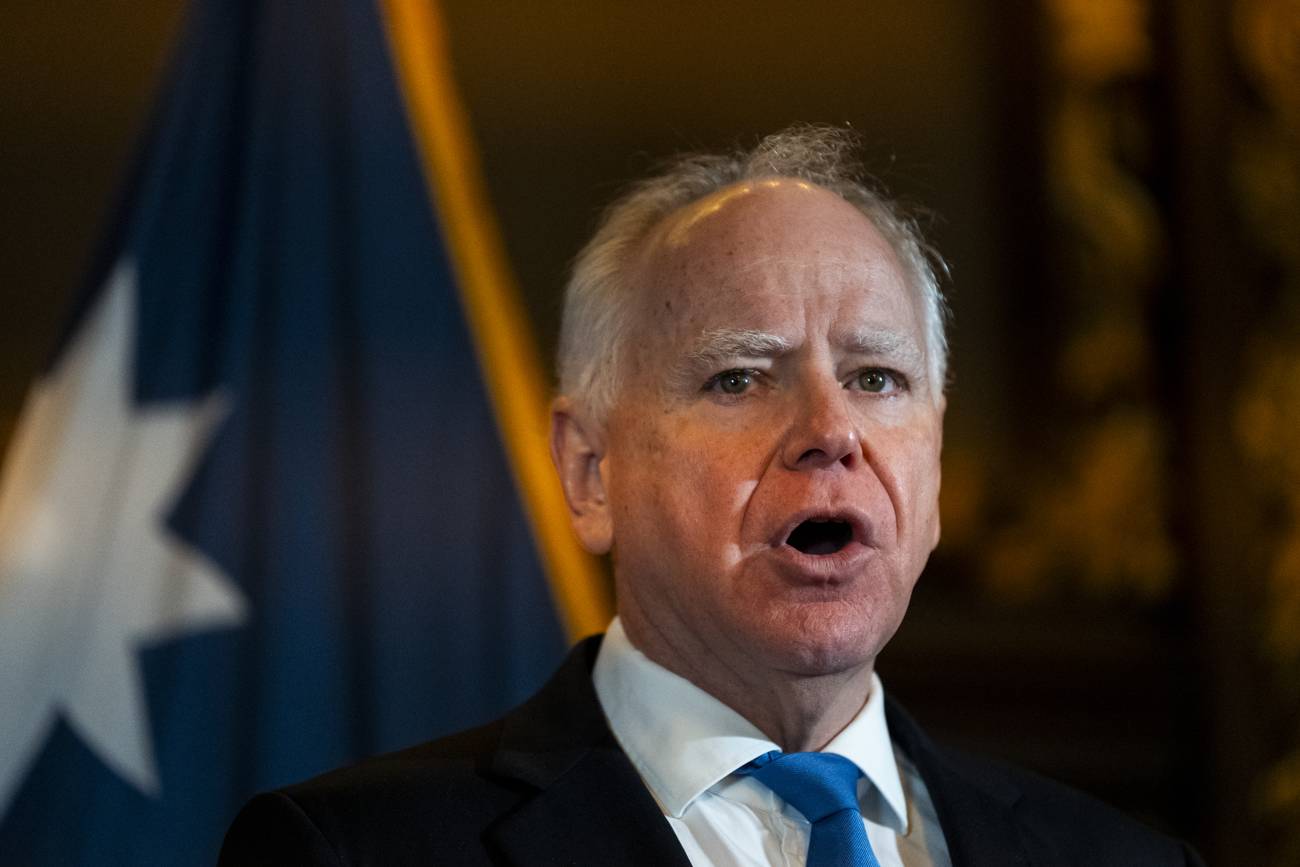
Minnesota Gov. Tim Walz on Friday introduced a comprehensive legislative package aimed at combating fraud in Minnesota’s programs, including the use of predictive analytics and machine learning to identify suspicious transactions early in the application process.
The package builds on the state’s large-scale effort to curb rampant fraud in federal aid programs during the coronavirus pandemic and includes directives to strengthen detection and oversight of the programs. Specifically, it cites the use of artificial intelligence tools such as predictive analytics and machine learning to identify suspicious claims.
The bill includes increasing investigative powers for the state’s Division of Criminal Enforcement and the new Financial Crimes and Fraud Division, as well as increasing criminal penalties for those found to have defrauded Minnesota government programs.
Officials said the package will improve fraud detection and monitoring through the use of AI and strengthen program integrity in managed care organizations, which primarily provide health care services to Medicaid beneficiaries. Audit and internal control capabilities will also be expanded to ensure that funds are used appropriately and that funds that are misused are recovered.
The package bans grants designated by law, meaning lawmakers will no longer be allowed to hand-pick certain organizations to receive grants. Instead, the package requires groups to participate in a competitive process to win grants to ensure fairness and transparency.
In addition to expanding the powers of the state’s BCA Financial Crimes and Fraud Division, the proposal would create a centralized Office of Inspector General to lead statewide fraud prevention, set standards and refer cases for civil or criminal enforcement. Other considerations include expanding on-site investigation powers across Minnesota’s health care programs, including allowing the agency to investigate health care providers who have not yet filed claims, and strengthening fraud prevention capabilities in the state Department of Revenue and Attorney General’s Medicaid Fraud Division.
The proposal comes as Minnesota has come under intense scrutiny from the Trump administration over its handling of welfare fraud. In January 2025, Walz announced several initiatives to reduce fraud on state aid programs, including an experimental AI pilot. Outgoing state chief information officer Tarek Tomes also said last summer that AI would be a key part of the state’s fraud prevention program.
“Fraud steals from Minnesotans and undermines the programs we all depend on,” Walz said. “This package increases oversight, improves detection, expands enforcement, and strengthens penalties to protect all the money Minnesotans depend on. We’ve followed experts, audits, and a proven roadmap. Now is the time for Congress to act.”