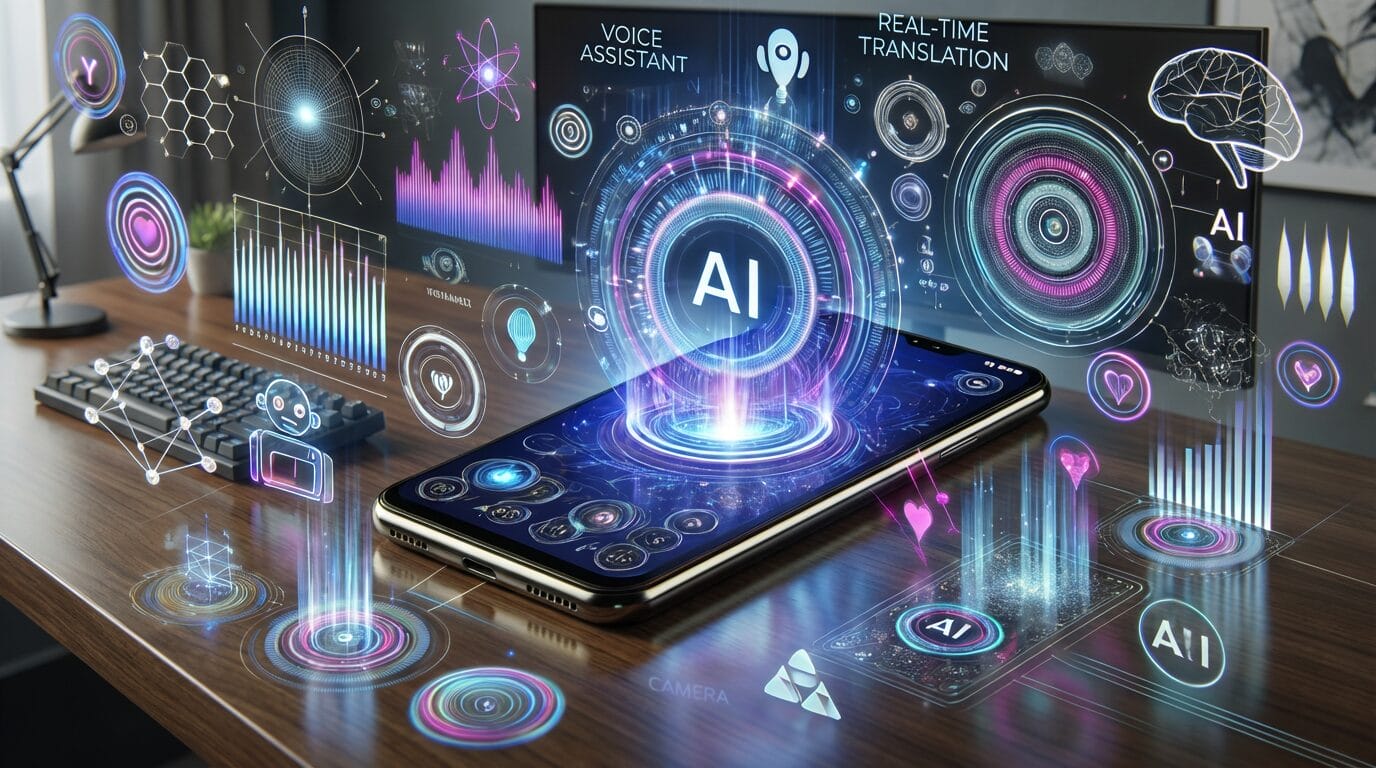
AI is on the rise among Americans, but many are unaware of it
Approximately 90% of Americans are using artificial intelligence through their mobile devices. However, only 38% are aware of its use.
A recent survey of 2,000 adults delved into their everyday interactions with AI and revealed a significant lack of awareness regarding its integration into daily life.
AI powers activities such as weather alerts (42%), call screening (35%), auto-correction (34%), voice assistants (26%), and auto-brightness adjustment (25%).
Additionally, AI-enabled camera features such as night mode (19%) and photo memory slideshow (20%) are considered important for capturing and enjoying photo moments.
The study, conducted by Talker Research on behalf of Samsung, revealed that 51% of participants did not identify themselves as users of AI tools on their phones, although 86% of participants admitted to utilizing common AI features when asked to provide a detailed list.
When surveying smartphone usage, one in six people report managing at least 10 work-related tasks every day, and more than three times that number (38%) handle an equal amount of personal tasks via their device.
Notably, 55% of Americans use their smartphones primarily for work-related functions, and this trend is especially pronounced among Gen Z respondents (74%).
As a result, 47% believe mobile devices are essential for professional activities, with Millennials (65%) and Gen Z (62%) most likely to agree.
Additionally, 60% use their phone primarily to stay organized, more than using any other device for this purpose.
Even though the average individual regularly uses only half of the apps available on their smartphone, 57% express confidence in their ability to clearly explain the functionality of all features, regardless of usage context.
Even if you always have your smartphone with you, there are still plenty of features you may not know about. 34% of participants reported encountering new features every month.
In terms of specific AI applications, respondents indicated a variety of practical uses, including brainstorming ideas and enhancing task organization. One-third of those surveyed admitted to using AI to fill out employment applications.
Some companies are leveraging AI for creative endeavors like cooking tutorials, songwriting assistance, and playful interactions.
Of the participants who were initially skeptical about AI initiatives, 25% changed their views more favorably as they realized that AI was being integrated into everyday life.
A majority of Americans want AI to help them save time (28%), simplify tasks (27%), provide immediate solutions (23%), and help improve skills and learn (22%).
As technology continues to advance, the average respondent expects to have about three years of traditional phone usage left before AI fundamentally changes the way they interact with their devices. One in five predict this transformation could occur within a year.
When asked about future phone features, many respondents envision advanced AI capabilities such as “monitoring health conditions, detecting vital signs, and delivering personalized wellness alerts” and “predicting thoughts and performing automatic insertions without manual input.”
Further aspirations include self-driving capabilities and the ability to charge mobile phones autonomously without using electricity.
Source link: scrippsnews.com.