

Most people believe that to get better results from AI, they need to create longer and more complex prompts. I used to think so too, but I realized that I was wasting my time rewriting the same request over and over just to get something usable.
Now I’m doing something more simple. Rather than starting from scratch, use the “cheese” prompt. In the same way that adding cheese to a dish increases flavor and satisfaction, this prompt works in the same way to enhance results.
It sounds silly, but it’s quietly known as the easiest way to improve the response of almost any AI without much thought or lengthy prompting.
Article continues below
What is the “cheese” prompt?

If you regularly use tools like ChatGPT, Claude, or Gemini, you’ve probably noticed a pattern. The first answer is fine, but not completely correct. Usually the next action is to either resolve with an answer or rewrite the entire prompt by manually adding details.
Suddenly, a 10 second task turns into a 2 minute round trip. But my “cheese” solves this problem by treating the AI more like an editor than a generator. That’s the difference between “searchers” and “architects,” the power users who leverage AI to their advantage.
The “cheese” prompt I use is: “Adds ‘cheese’. Makes it richer, clearer, more convincing without adding fuzz.”
By asking for “cheese” you are telling the AI:
- Improve clarity: Remove “robotic” sentence structures.
- Enhances output. Use more active verbs and better adjectives.
- Tighten firmly: Keep the word count the same (or reduce it) and see the quality improve.
One of the best ways to use this prompt is to first ask the question, read the response, and then paste it into the “Cheese” prompt. There’s no need to re-explain anything. AI already has context.
What happens if we add “cheese”?

Now comes the interesting part. Rather than offering anything completely new, AI strengthens weak areas and improves tone and flow. This prompt helps add clarity and makes the results more “flavorful.” If you use AI a lot, you may have noticed that it often over-explains or repeats words or phrases. This prompt will help you enhance what’s “on your plate” without adding extra fluff.
The result feels like a second draft written by a better editor. If you save this prompt and enable memory, all you need is the “Add cheese” prompt.
“Cheese” prompt example
1. Your emails instantly feel polished.
image 1 of 2
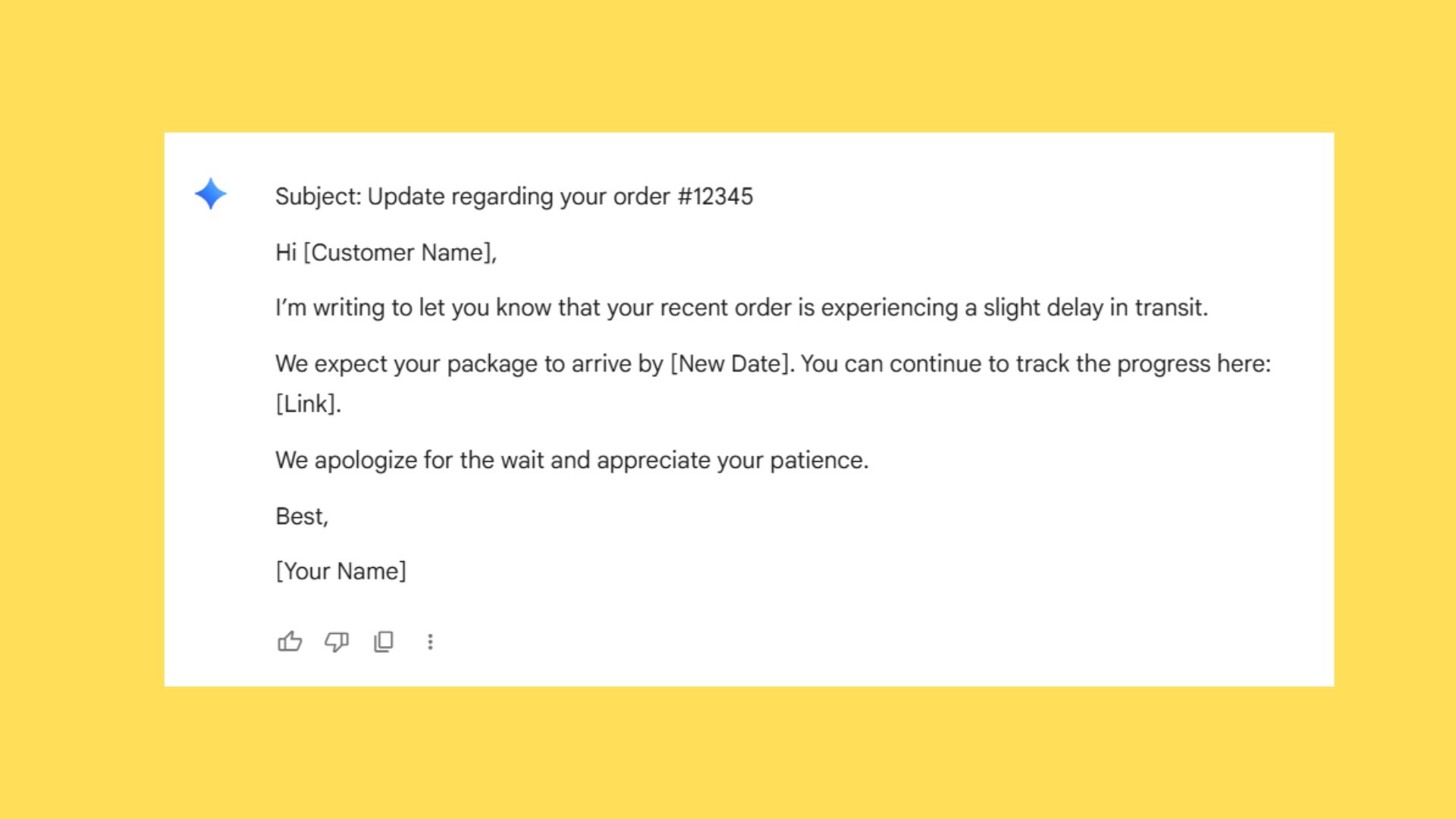
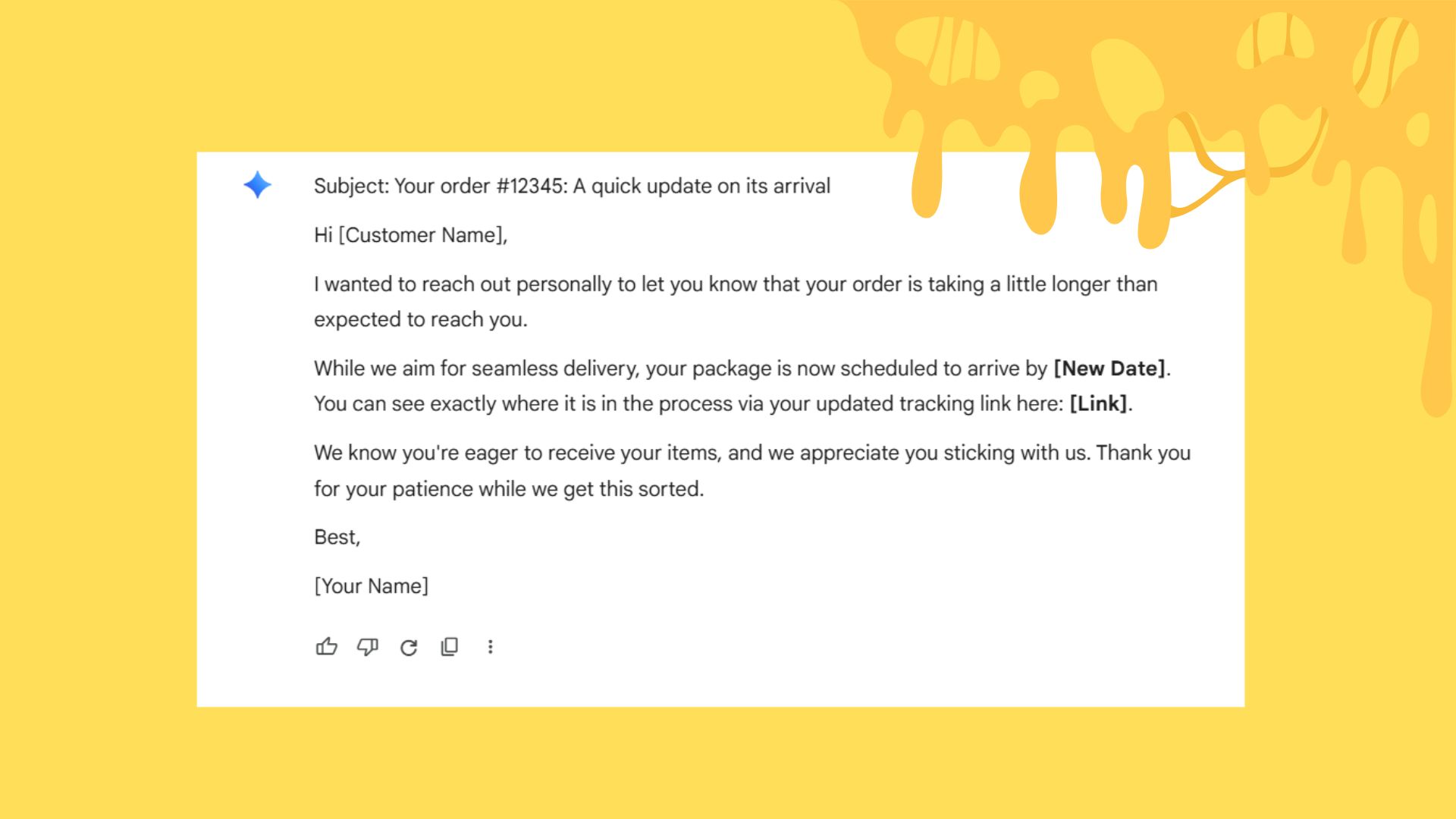
Original prompt: “Please write a brief email regarding the shipping delay.”
“Adding the cheese” made the message clearer, the tone better, and the ending more powerful.
2. Ideas are easier to click on
image 1 of 2
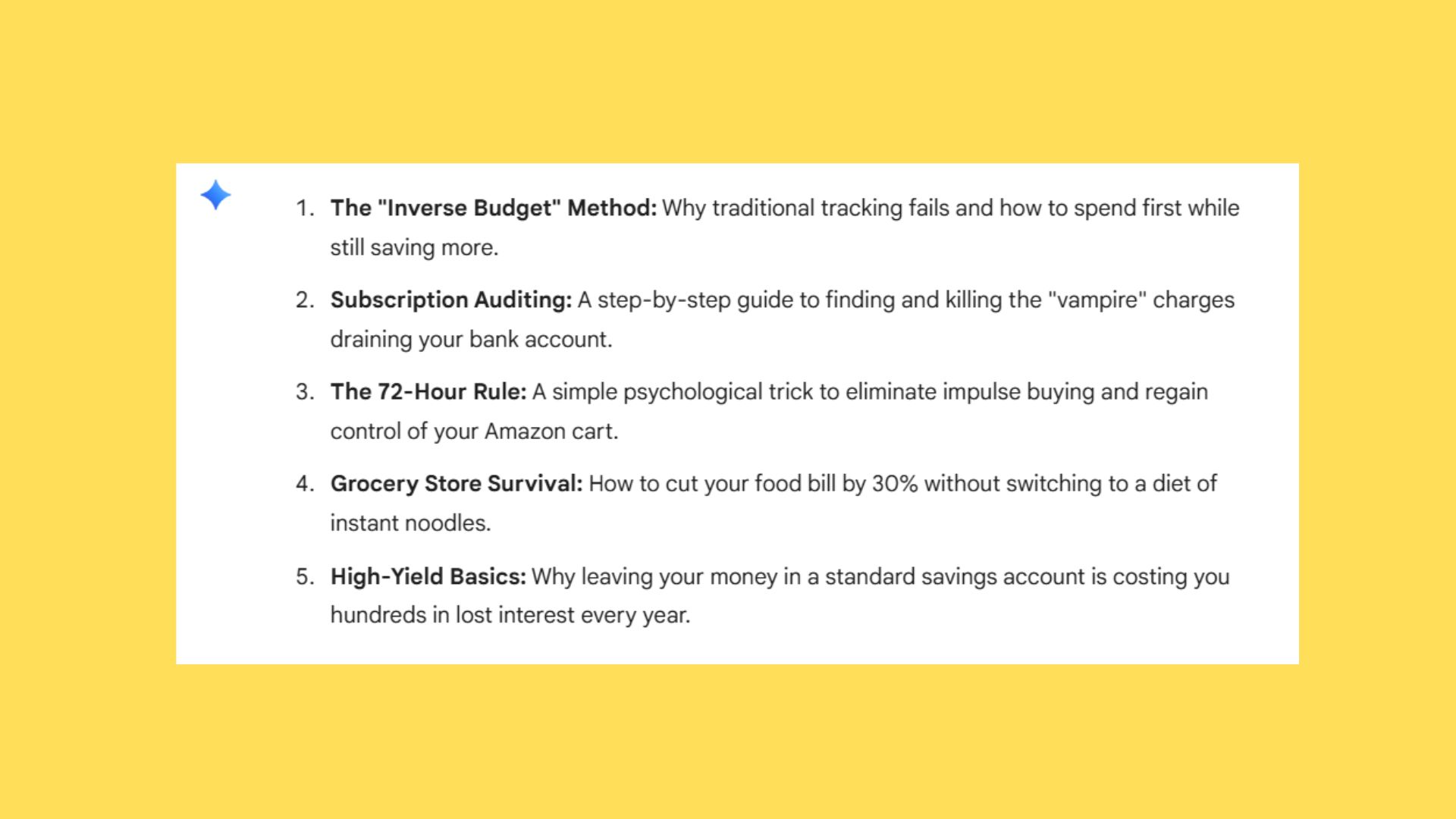
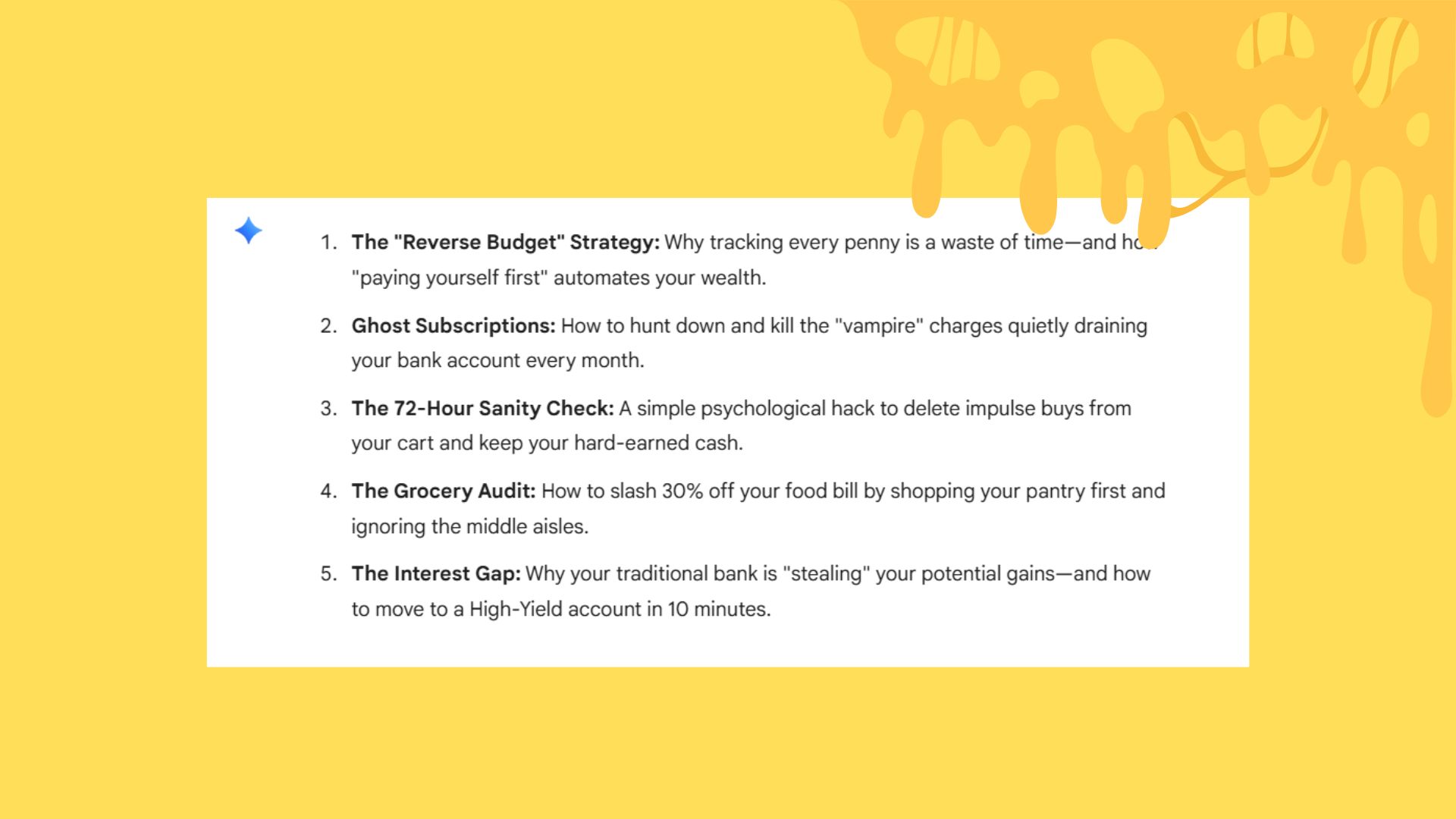
Original prompt: “Give me 5 money-saving blog ideas.”
“Cheese” transformed a generic description into a better story by replacing passive observation with a bold, provocative hook. We replaced vague advice with concrete, actionable methods that promise clear results within a defined time frame. Finally, we injected a sense of emotional urgency and changed the tone from a standard list of facts to a compelling “must read” that directly addressed the reader’s pain points.
3. Advice becomes more actionable
image 1 of 2
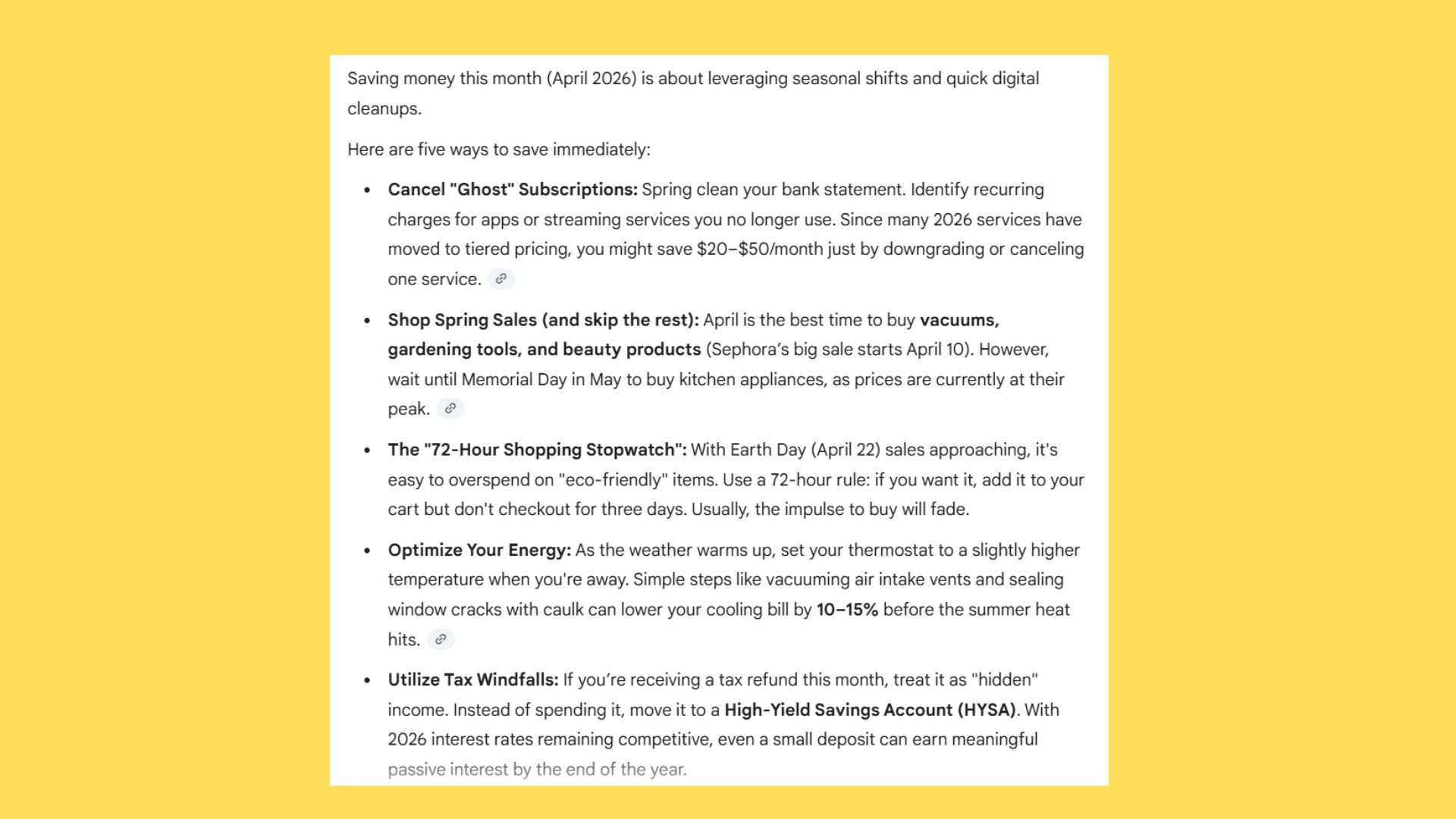
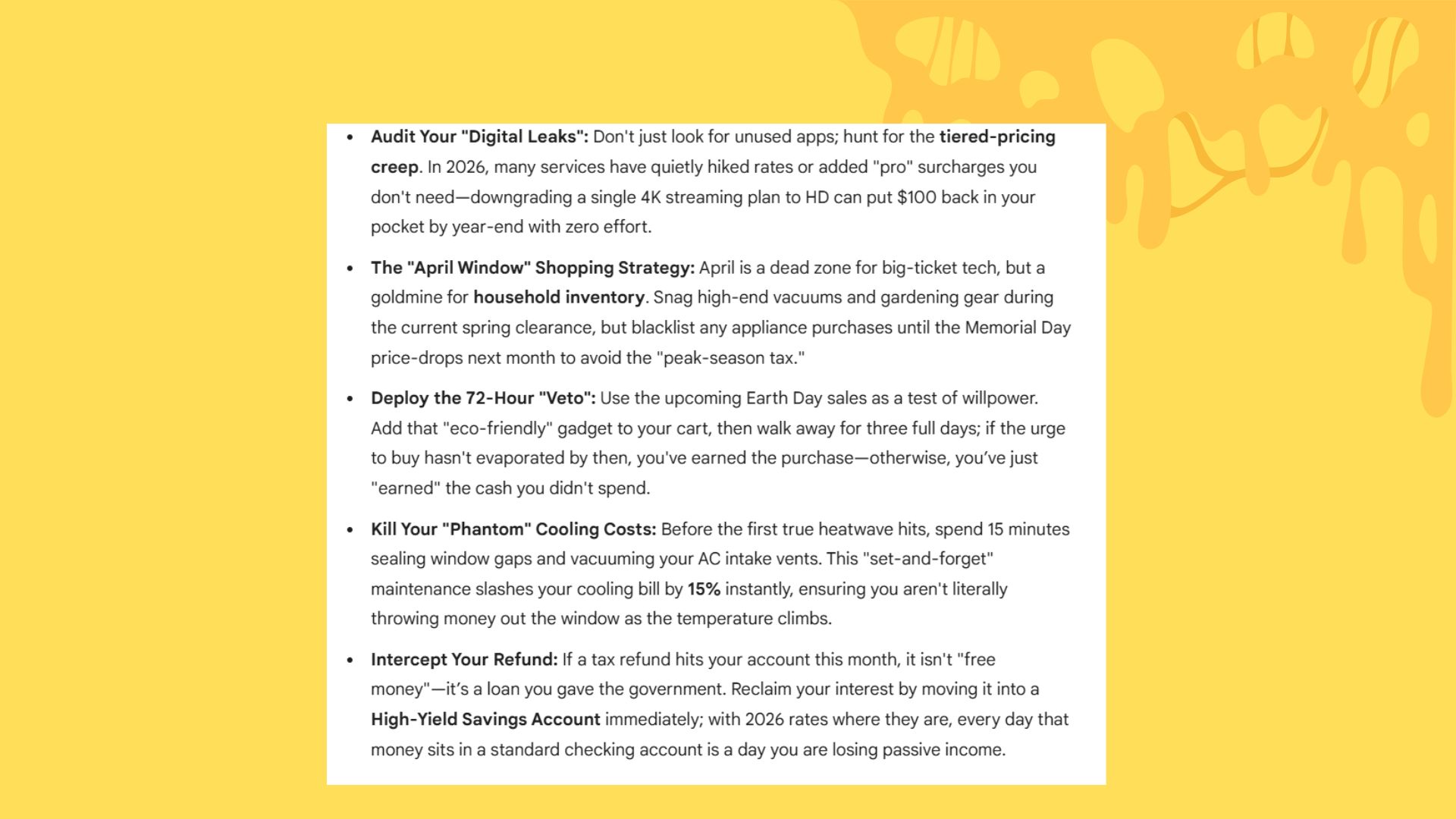
Original prompt: “Help me save money this month”
After using this prompt, the advice moved from a “general suggestion” to a strategic maneuver by reframing a simple task as a significant economic gain. They replaced passive language with strong verbs like “audit,” “blacklist,” and “intercept” to create a sense of authority and immediate control. Finally, financial logic such as “busy season taxes” and “phantom costs” have been added to give you concrete psychological reasons to act now rather than later.
why this works so well

Most people try to fix weak AI answers by starting over, but that’s a mistake. Typically, the first response is 80%. It just needs improvement. Cheese prompts work because they build on what’s already good, avoid overthinking, and turn your AI into an editor in seconds. This is a quick and easy way to get effective rules.
Recommended to use when the answer feels about right, but you want clarity or a stronger tone. It is also convenient when you want to polish faster. However, if the answer is completely off base, or if you change your mind and want to go in a different direction, feel free to skip it. It’s a boost, not a reset.
Take-out
Next time you query ChatGPT, Gemini, or Claude and you get most of the answers, but you still feel like something is missing, try adding more “cheese” and see what happens. With sharper angles, stronger hooks, and more personality, you may be surprised at how richer and more useful your response becomes. This prompt works if you want better results. In most cases, this is all you need to turn a decent answer into a great one.

to follow Tom’s Guide to Google News and Add us as a preferred source Get the latest news, analysis, and reviews in your feed.


