
How AI cameras are changing video capture for youth sports
For today’s young athletes and their families, videotaping a game not only preserves memories, but plays an important role in the sports experience. From sharing highlights with loved ones on social media to providing a powerful educational tool for coaches, high-quality video can literally be transformative.
But for many families, the responsibility of being a videographer can feel like a burden and get in the way of actually enjoying the game. Parents are trapped behind their smartphone screens, desperately trying to track the fast-moving ball and ultimately missing out on the joy of experiencing their child’s play.
image
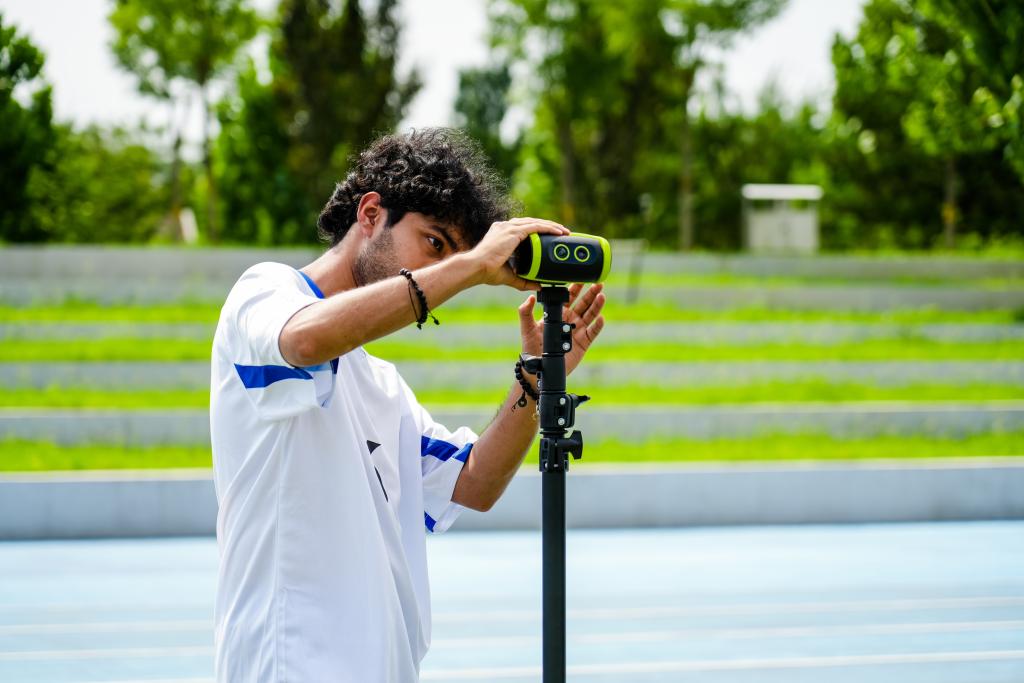
From broadcast trucks to AI
To understand why AI-powered sports cameras are gaining so much momentum in 2026, XbotGo looks at how sports recording technology has changed over the years.
1980s-1990s: Broadcast quality, few choices
In the late 20th century, sports video was primarily the province of television broadcasters. Professional leagues and major college programs relied on multi-camera production crews and broadcast trucks to record games at the highest level. At the grassroots level, recording was less common. When that happened, home video cameras provided a low-tech way for families and teams to preserve memories.
2000s: Video as a coaching tool
As digital video cameras and editing software became more commonplace, video provided an opportunity not only to create memories but also to improve performance. Coaches used footage to review plays, strategies, and individual progress. For some, this was the first time video had become part of their team’s training process. However, capturing footage still relied on dedicated camera operators. Skill and patience are required to follow the fast-paced action and cover large spaces for team sports. A team’s video is often only as good as the person on the other side of the camera.
2010s: Smartphones turn every audience member into a videographer
With the spread of smartphones, high-performance cameras have become popular in all kinds of situations. Parents, coaches, and teammates can instantly capture games and share clips via email, text message, or social media post. Recordings are now expected. However, the proliferation of amateur photography has revealed new challenges. Capturing an entire game from a handheld device requires constant vigilance. Now, the experience of shooting a movie has replaced the experience of watching a game. Many parents felt that they were distracted from the game they were trying to master.
2026 and Beyond: Democratizing Video
Highlight reels are now part of the recruiting process for many young athletes, with college recruiters advising players to create videos that can be shared directly with coaches. The challenge for families is how to reliably capture footage without making every game a job.
At the same time, participation in U.S. high school sports has increased to more than 8 million, according to the National Federation of State High School Associations. The market centered on sports technology is also expanding. According to MarketsandMarkets, the global sports analytics market is expected to grow from $2.29 billion in 2025 to $4.75 billion by 2030.
This growth helps explain why a new generation of AI-powered cameras designed to autonomously track action, generate highlight clips, and capture video without a dedicated operator are gaining traction. For brands operating in this category, including XbotGo, bringing this type of functionality to households and amateur clubs creates broader opportunities by bridging the gap between elite and grassroots sports.
AI boundaries
For many parents and coaches, the appeal of autonomous cameras is consistent, high-quality video. In fact, these tools can help turn a stressful side job into an effortless part of the youth sports experience.
Although AI-powered cameras offer convenience and reliability, they still have limitations. Current technology is great for consistent tracking and mass capture, but it can’t replace the trained eye of an experienced scout or the creativity of a professional videographer.
Unusual lighting or complex field settings can affect coverage. However, for most amateur clubs, high quality match footage is within reach and automation avoids the trade-off between filming and enjoying the match.
This story was created by XbotGo Reviewed and distributed by stacker.