Written by Mbungu Harrison
emailthecoastnewspaper@gmail.com
Healthcare professionals are being challenged to use emerging technologies, such as artificial intelligence (AI), in an ethical and responsible manner in healthcare to navigate rapidly changing technological transformations.
Speaking at the Kenya Medical Association (KAP) Annual Conference in Mombasa, KAP President Dr. Eric Njenga emphasized the need for collaboration, innovation and evidence-based practices to address increasingly complex and interconnected health challenges.
He described this year’s theme, “Cutting-edge innovation in the age of AI to develop the next generation of doctors,” as timely, noting that doctors and medical leaders across the continent are uniquely positioned to forge partnerships that will shape the future of healthcare in Africa.
Dr Njenga acknowledged that although there are challenges with AI, Kenya has a regulatory framework in place to guide the use of AI in healthcare through the Kenya Medical Practitioners and Dentists Council.
“There is currently legislation in place about how AI is used and managed, particularly in data protection issues when viewing patient data.AI is being used to collect research data.
How do you protect this data? How is it stored? How long should it be stored? So these are all actually government actions by the ICT Commission,” he said.
He added that AI is already widely used by healthcare professionals and poses both opportunities and limitations, which must be carefully managed.
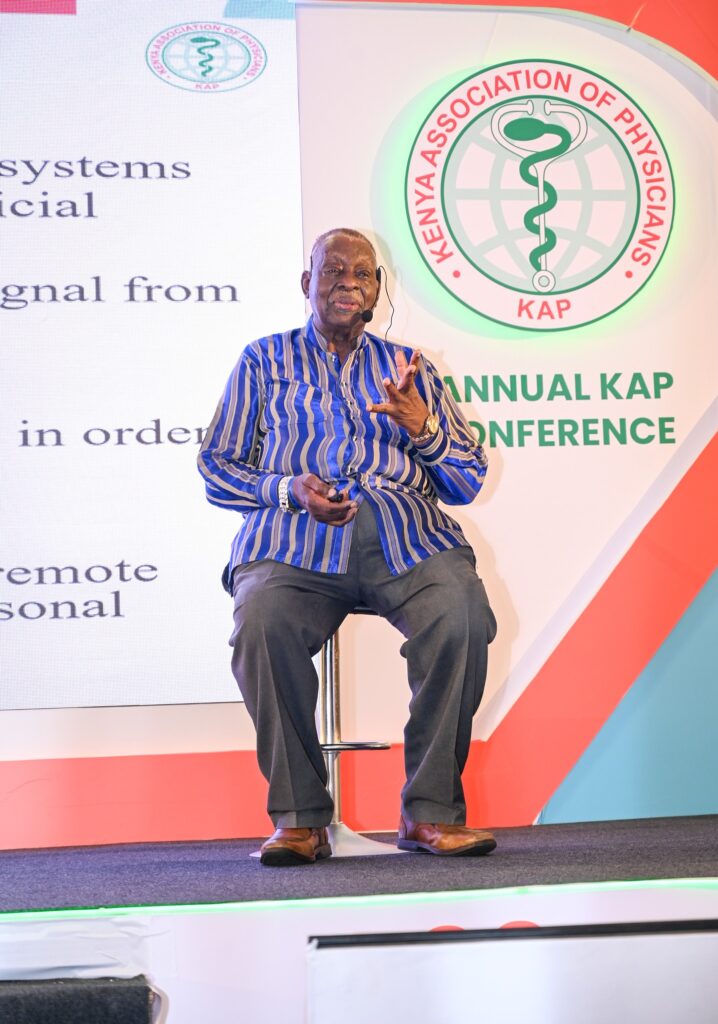
“Because the information that AI provides is so accessible to all patients, we also need to ensure that that information is accurate. There are also ways to ensure that patients have the right platform to accurately access this information. AI is also a trusted source of information supported by clinical evidence.”
KAP Executive Committee member Dr. Irene Njeri highlighted how AI is contributing to closing disparities in healthcare access, especially in underserved areas.
She noted that some counties are underserved due to the concentration of doctors in Nairobi, but AI is now filling that gap by enhancing communication and collaboration between medical professionals.
“AI is enhancing communication between physicians, especially in remote and underserved areas. AI allows for better collaboration between far-flung counties.”
She says doctors are increasingly using AI to diagnose, monitor patients and predict health outcomes.
“For example, in diagnostics, radiology technology allows us to collaborate with national and international experts. Our program focuses on major subspecialties such as cardiology, nephrology, gastroenterology, infectious diseases, neurology, and rheumatology,” she explained.
Meanwhile, Dr Olive Kunga, Coordinator of the East, Central and Southern African College of Physicians (ECSACOP), emphasized the importance of training in developing the next generation of doctors.
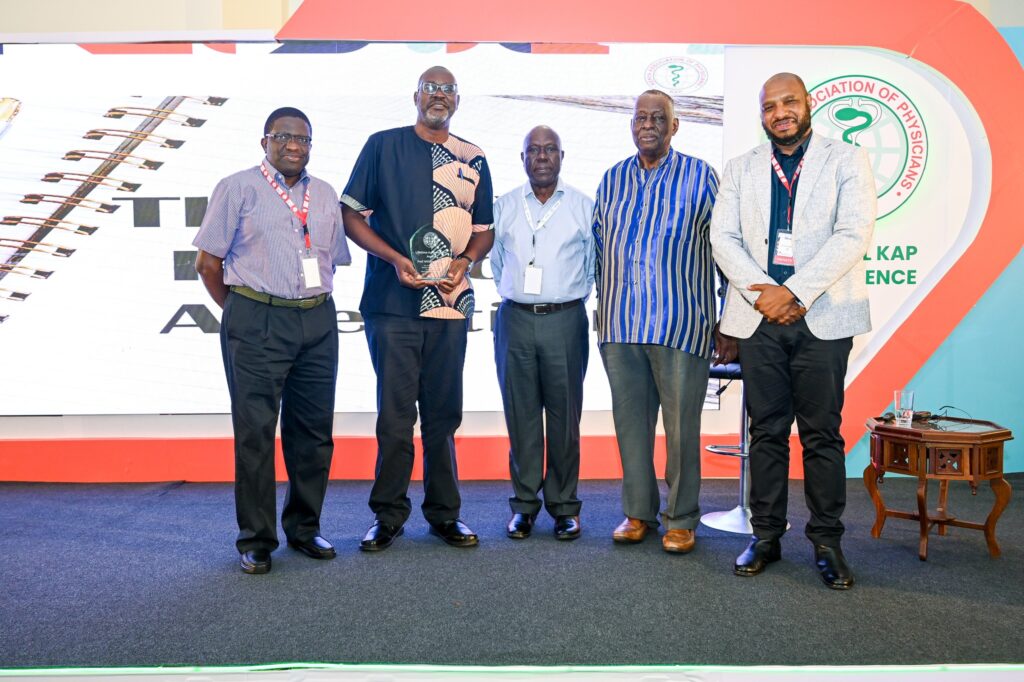
He said the conference will serve as an important platform for mentorship, allowing trainees to engage with experienced doctors and deepen their knowledge about research, modern medical practice and AI applications in healthcare.
“Beyond networking, this conference offers extensive mentorship opportunities in research, current medical practice, and the application of AI in today’s healthcare environment.”
About the author