I joined an online book club a while ago. One day, one of our very active and contributing members shared that in the old days, scarcity of things gave an appeal to the few people who had it or could get it. Parallels were drawn to the world of books at the time, where getting the title you wanted was a luxury. But now, with so many e-books and online reading materials available, hard copies have lost their value and appeal.

There’s another side to all of this, but about the smell of new (and old) books, about the joy of finding a recommended book on the shelf of a local bookstore, I’ll just stick to the point already made by choosing that dear member’s words and adding my two cents to it – when you access something endlessly, you take it for granted and the value of that thing is subsequently lost. Examples abound – as kids we used to get cassettes with recordings of our favorite songs, but thanks to the ease of YouTube and MP3 files, the music we listen to isn’t strictly curated or deliberately chosen. For example, when you order something from Amazon/Flipkart/any other platform, the old pleasure of visiting store after store to get the cheapest item is reduced to scrolling until you see the lowest priced but (seemingly) highest quality item.
Don’t get me wrong. I’m not trying to argue about “then and now.” Anyway, as they say, change is the only permanent thing in life. And while I’m a big proponent of embracing this and evolving and changing as needed, in this day and age, sometimes we need a purposeful approach to add value and meaning to our days. For example, while we have the choice and convenience of ordering home groceries from an app like Blinkit, a father takes his newly-teenage son to the fruit, vegetable, and grocery store every Sunday, reaping a variety of benefits, including getting the youngsters in the house involved in household chores, having a mini “boys outing,” teaching his son “offline shopping,” and meeting and having light conversations with other customers and various store owners.
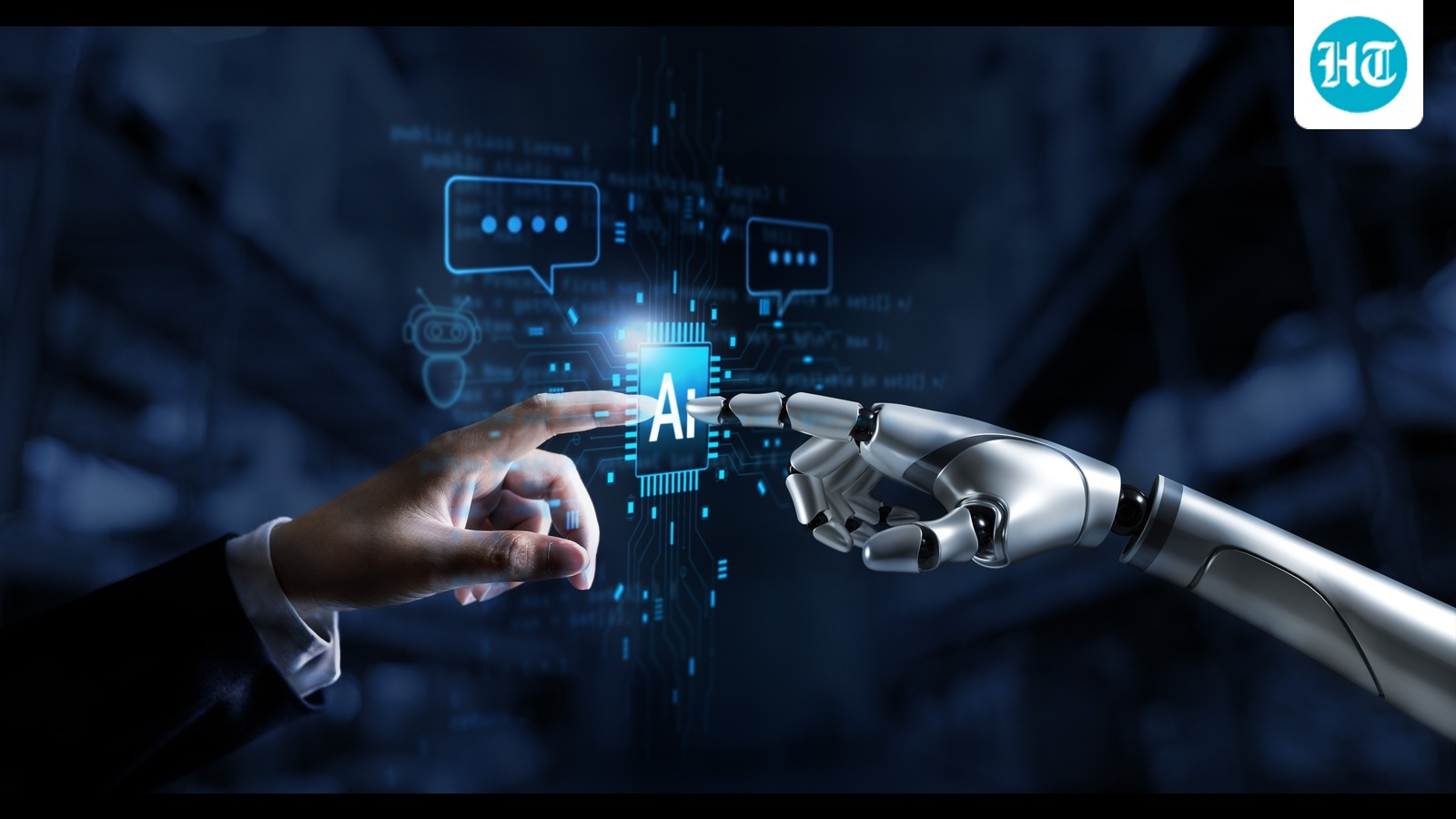
In another and more similar respect, questions are beginning to arise at various societal levels about artificial intelligence replacing humans. Computers, the digital world, artificial intelligence – all aimed at enhancing and facilitating the human experience.
Ultimately, I strongly believe that how much we can help them is in our hands. They will help us if we choose to do so. Yes, they can surpass us. But only if we allow it. So if you can intentionally take steps to limit the disadvantages and maximize the benefits, you can win the battle, at least for the time being. And before I offer some pointers in that direction, I would like to lay the foundation stone by noting that this battle (if I may already use that word) is not one between AI and humans, but rather a kind of conflict within the human psyche.
limit screen time
Whatever we put the most time and effort into will pay off in both constructive and destructive pursuits. We urgently need to assess and monitor the time we spend glued to screens. Although the internet and gadgets are now an essential part of life, we are still Homo sapiens with primitive brain wiring. We still seek immediate fulfillment of various desires. But while WiFi and Google may provide short-term satisfaction, they don’t guarantee lifelong friendships or bonds.
Learn more real life skills
Computer literacy is much needed, but so are real-life skills like decision-making, self-confidence, and true empathy (the list is endless). ChatGPT cannot replace real treatments and neither can Zomato/Swiggy replace recipes that have been passed down through generations in our kitchens. As long as we are willing to slowly wreak havoc on our minds and bodies.
find joy in simple things
Seeing someone you love smiling gives you great satisfaction. Can you get the same intensity of joy and satisfaction with emojis?Isn’t it a great way to liven up your life by feeling the texture of the fabric you purchase? Don’t forget about small businesses and home businesses. Don’t just click for Instagram, smell the jasmine.
Last but not least, life is best done in “real life” and virtual life may be what facilitates and adds to it. But let’s be determined not to let that overtake our essence.
reemaban@gmail.com
(The author is an assistant professor of psychology at Rajiv Gandhi Government University, Sakha)