
The latest advances in artificial intelligence are in the spotlight at the 2026 Consumer Electronics Show (CES) in Las Vegas, with many companies showcasing how they are deploying AI to play a key role in healthcare and even the once-futuristic concept of creating digital clones.
The four-day show, considered the world's premier annual technology event, has attracted more than 4,500 exhibitors from more than 155 countries and territories and is scheduled to conclude on Friday, organizers said.
While many attendees sampled the latest technology devices and gadgets on display, the event also showcased big, bold ideas from many companies looking to harness the potential of AI for even greater purposes.
Many companies and entrepreneurs are using AI-powered software in hopes of improving healthcare and even extending lifespans. One notable example is Predictive AI, a South Korean-founded medical startup focused on disease prevention through advanced genetic analysis.
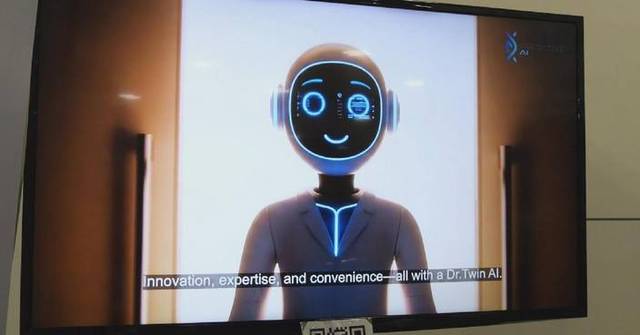
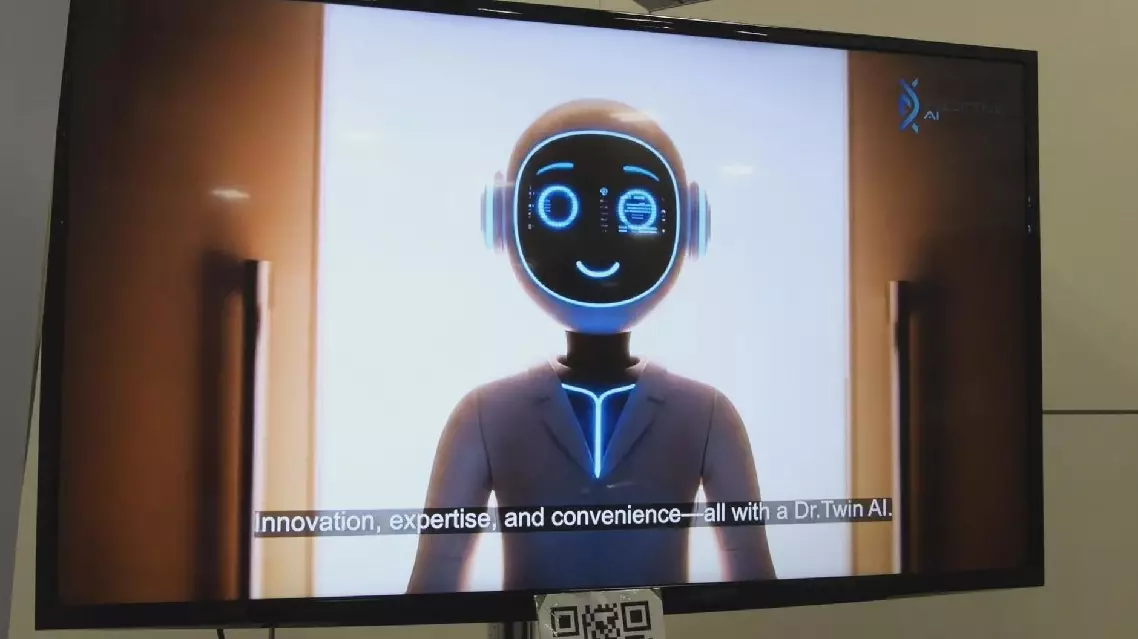
Predictive AI is building a digital twin of the human genome that recognizes virtual replicas of approximately 20,000 genes and 3 billion DNA sequences. They are designed to predict illnesses, flag dangerous prescriptions, and act as a surrogate for patients during consultations.
Their advanced software, co-founded by Johns Hopkins academics twin brothers Sijun and Sajun Yoon, is called “Dr. Twin' uses a surveillance AI agent to coordinate multiple specialized systems to assess people's health status.
By simply sending nail clippings to customers, the company can extract their DNA and combine it with their health history. The software makes predictions for more than 20,000 diseases, including everything from cancer to Alzheimer's disease, and allows users to ask questions about the results.
”[We had to] Be proactive about it. We then provide customized nutrition. We provide tailored pharmacogenomics-tailored recommendations on which medicines to take. These are the kinds of actionable things you can do after these tests. for those who are scared [receiving] If there are any results, they will be communicated to the attending physician,” Shijun Yoon said.
His twin Sajun explained the predictive philosophy behind the technology.
“The reason we're predictive is because even though we want to prevent everything, we're not preventing anything. So we need to predict the high risks, and we need to be aware of those symptoms and catch them early. The genetic profiling and AI physician algorithms that we've developed allow us to do that,” he said.
Beyond healthcare, AI is being introduced in many other novel and sometimes surprising ways. This includes a breakthrough concept that uses archived videos and user biographical information to create and render AI clones.
Developed by software company IgniteTech, the platform, called “My Persona,” generates AI replicas based on human knowledge and experience, among other things.
“My Persona is based on your knowledge and we've put a lot of effort into our patent-pending technology to ensure we don't try to answer things you don't know,” said Eric Vaughan, CEO of IgniteTech.
AI clones are expected to be deployed in a wide range of scenarios, from customer service jobs and education to more personal efforts to preserve family history, allowing memories and stories to “live on” for generations in a virtual world.
“I can't think of a place where it wouldn't be useful. A one-man insurance company could use it to answer questions about an insurance policy. A school teacher could use it for homework. Why not give future generations a chance to see their grandparents live and have them interact and ask questions, share memories and tell stories in a vivid way?” Vaughn said.
Innovations like these will be on display at CES 2026, highlighting how AI is not only reshaping technology, but also redefining how humans understand health, memory, and heritage in both the physical and virtual worlds.
Futuristic potential of AI applications highlighted at top technology show in Las Vegas
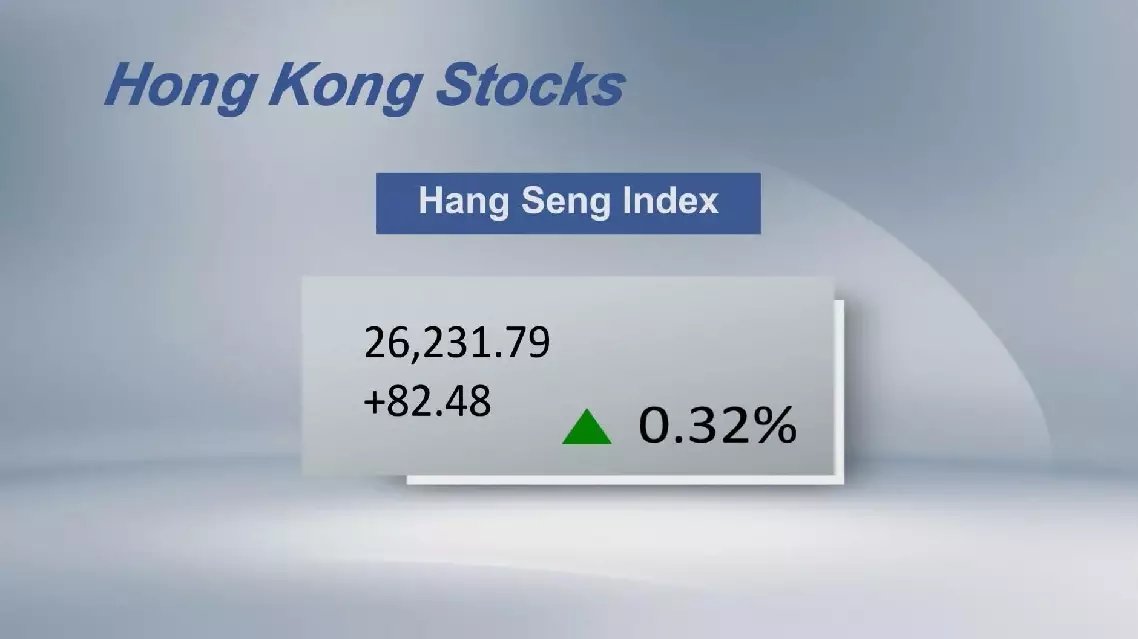
The Hong Kong stock market ended higher on Friday, with the benchmark Hang Seng Index gaining 0.32% to close at 26,231.79 points.
The Hang Seng China Enterprise Index rose 0.10% to end at 9,048.53 points, while the Hang Seng High-tech Index rose 0.15% to end at 5,687.14 points.
Hong Kong stocks end higher on Friday


