

From mechanical engineering to learning production systems: Durst and TUM Venture Labs collaborate on robotics, AI and automation
Brixen/Munich – Durst Group and TUM Venture Labs, a joint initiative of the Technical University of Munich and UnternehmerTUM, begin a multi-year collaboration in the field of robotics, AI and automation for industrial production. As a Platinum Partner, Durst becomes part of the TUM Venture Labs ecosystem and becomes the first Italian partner in this network. The centerpiece of the collaboration is the Robotics/AI Lab in Munich, one of Europe’s leading deep technology ecosystems for robotics, artificial intelligence, embedded systems and industrial automation. For Durst, this initiative is part of the company’s 90th anniversary program and a deliberate step for Brixen to enter the European robotics and AI network.
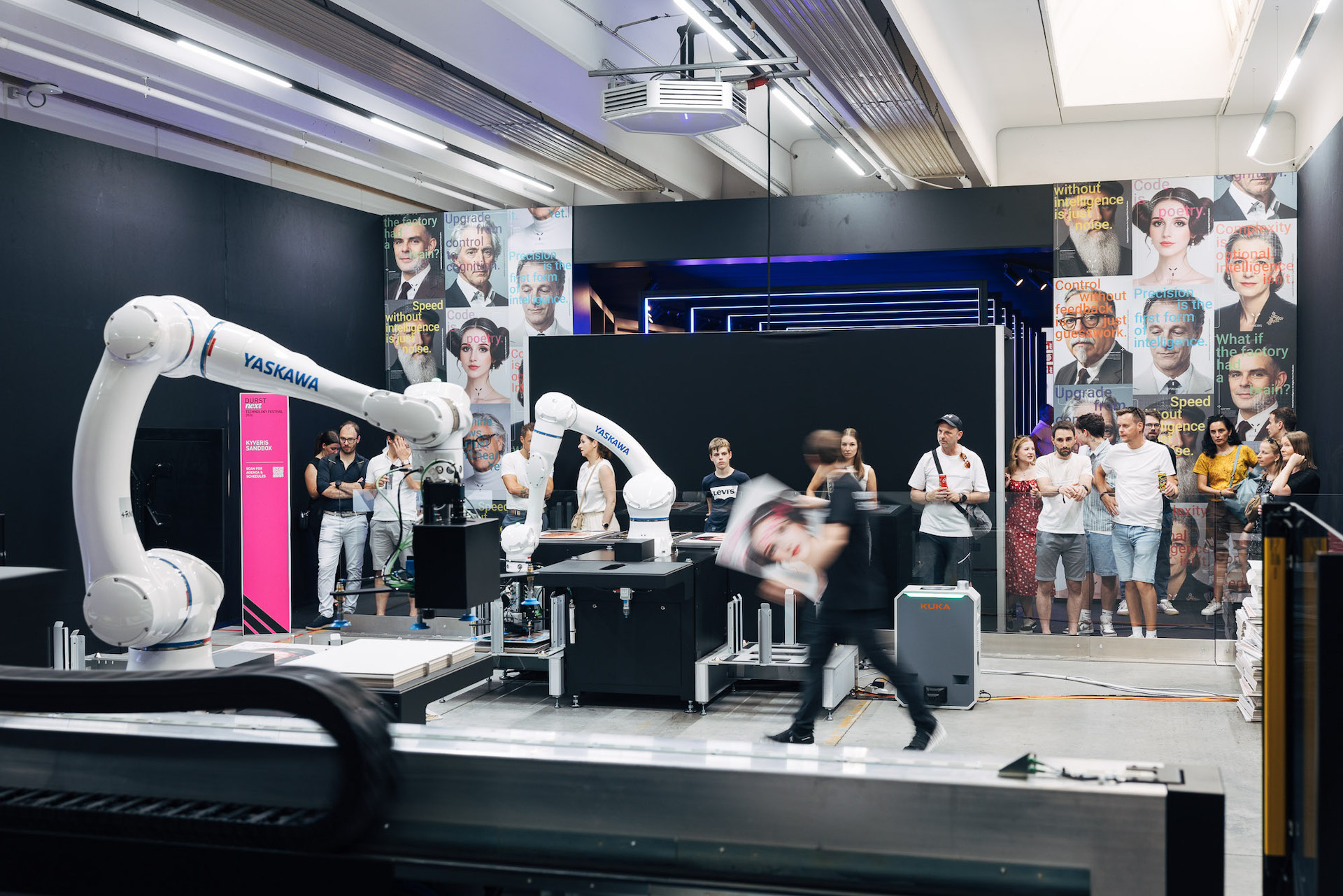
With Kyveris™, Durst is building intelligent production systems that connect machines, software, data and artificial intelligence. AuRo-Layer extends this system to the physical level of production, including robotics, material flow, and automated processes on the shop floor. The goal is to make production more efficient, transparent and reproducible. Through the support of TUM Venture Labs, Durst has deep access to talent, founders, and research teams in robotics, AI, embedded systems, and industrial automation.
“Orphaned machines are yesterday’s model. Production is becoming connected, learning and autonomous,” said Christoph Gamper, CEO and co-owner of Durst Group. “Together with Kyveris, we are building a system for this. Munich is no coincidence for us. It is a place where talent turns research into products in short cycles. This is exactly the energy we are looking for.”
Dr. Philip Gerbert, CEO of TUM Venture Labs, said: “Our partnership with Durst combines technological excellence, entrepreneurship and concrete application. This creates a powerful environment for new automation solutions for digital production. ”
The Munich Robotics/AI Lab at TUM Venture Labs brings together expertise in robotics, artificial intelligence, embedded systems and industrial automation. For Durst, this creates new interfaces with young companies, researchers, students, and industry partners working on solutions in intelligent robotics, autonomous systems, human-robot interaction, industrial automation, simulation, embedded AI, physical AI, and digital twins.
Central to the collaboration are regular exchanges of experts, specific industry challenges, joint development of entrepreneurship and innovation formats. Durst contributes to real-world production challenges where automation, robotics, AI-based process control, and physical workflows converge. The resulting solutions are intended not only for the printing industry, but also for adjacent and cross-industry applications.
“Robots and AI are changing production. That much is clear. “The only unresolved issue is speed. This requires new forms of collaboration that bring industry, research, start-ups and talent together at one table,” continues Gamper. Durst chose this path not because it’s a trend, but because 90 years of mechanical engineering experience only makes sense if you build the next step yourself. ”


