
Meta Platforms is stepping up the development of its own artificial intelligence chips as part of its strategic MTIA project and plans to introduce four generations of processors by the end of 2027. The main goal of this initiative is to gradually reduce our dependence on external hardware suppliers, particularly Nvidia and AMD, and gain more control over our own computing infrastructure. But for now, these companies’ products remain essential for training large-scale AI models and processing the most demanding workloads in data centers, so Meta will still be heavily reliant on their supplies in the short to medium term.
While the first MTIA 300 chips are already used in systems responsible for ranking content and making recommendations to users, the next generation will primarily focus on processing pre-trained models and generating results and responses in AI systems. This approach allows the company to increase system efficiency and better support consumer products and data centers. The planned pace of introducing a new generation of chips approximately every six months indicates that this is a long-term project aimed at gradually increasing hardware independence and optimizing the infrastructure, rather than immediately replacing external suppliers.
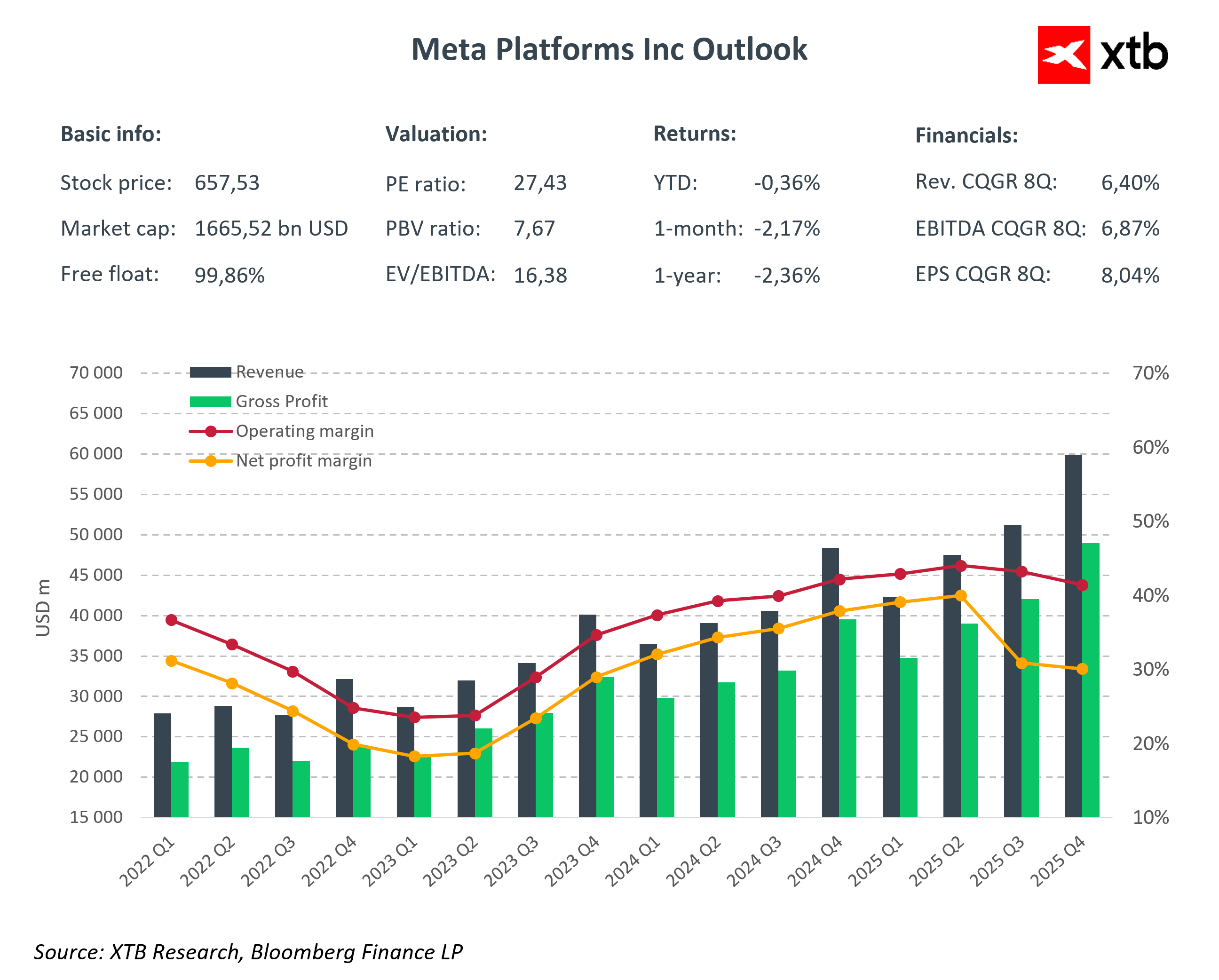
From a market perspective, the development of the MTIA chip could impact Meta’s financial performance in the coming years. Producing its own chips creates an opportunity to reduce data center operating costs, which currently make up a significant portion of the company’s technology spending. Gradually reducing dependence on external hardware suppliers also increases flexibility in budget planning, which can have a positive impact on operating margins in the long run. At the same time, in-house chips are supporting the development of AI-powered products, which could contribute to increased revenue from advertising services and new technology solutions in the coming years.
Monitoring the progress of this project will allow the market to better assess potential changes in cost structure, infrastructure efficiency, and the company’s ability to scale its products and services in response to growing AI demand. Full independence from Nvidia and AMD will take several years, but developing proprietary chips sends a strong signal about Meta’s strategic direction and its potential impact on its future financial results and competitive position.
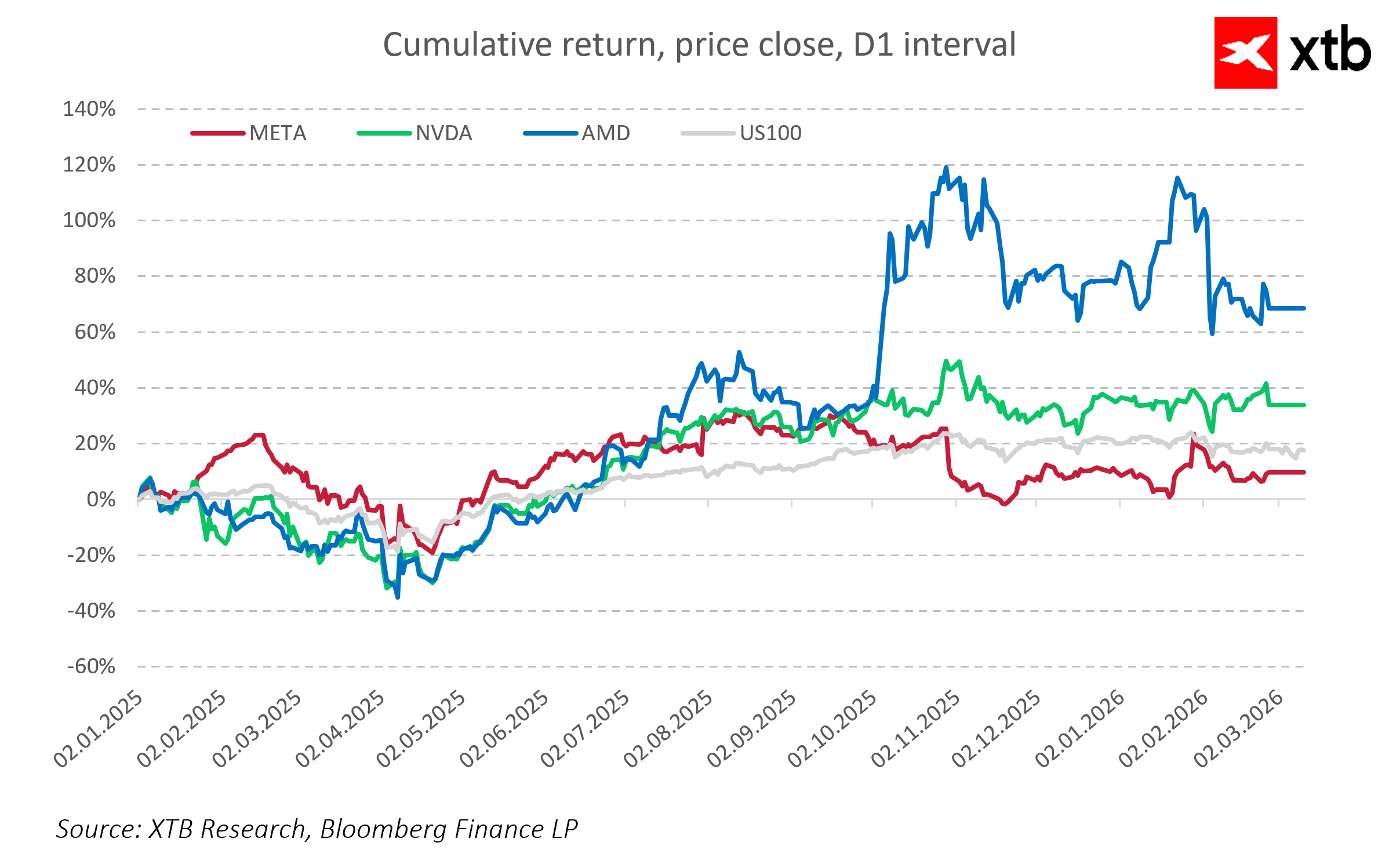
In the long term, successful implementation of MTIA chips could gradually reduce Meta’s dependence on semiconductor industry leaders, improve its cost structure, increase its operational flexibility and allow it to test its solutions under real-world conditions. This could position the company to increase the share of in-house production in the total demand for AI infrastructure, ultimately improving its financial performance and strengthening its market position in the artificial intelligence field.
In a conservative scenario, if the implementation of the MTIA chip allows Meta to reduce external hardware spending by 15-20% over the next three to five years, the company could significantly improve its data center operating margins, which currently account for a significant portion of technology costs. Additionally, greater control over your own computing infrastructure allows for more precise scaling of AI services, which, combined with the growing importance of generative AI solutions, can positively impact revenue and profitability in the medium term while reducing sensitivity to price fluctuations in external hardware.
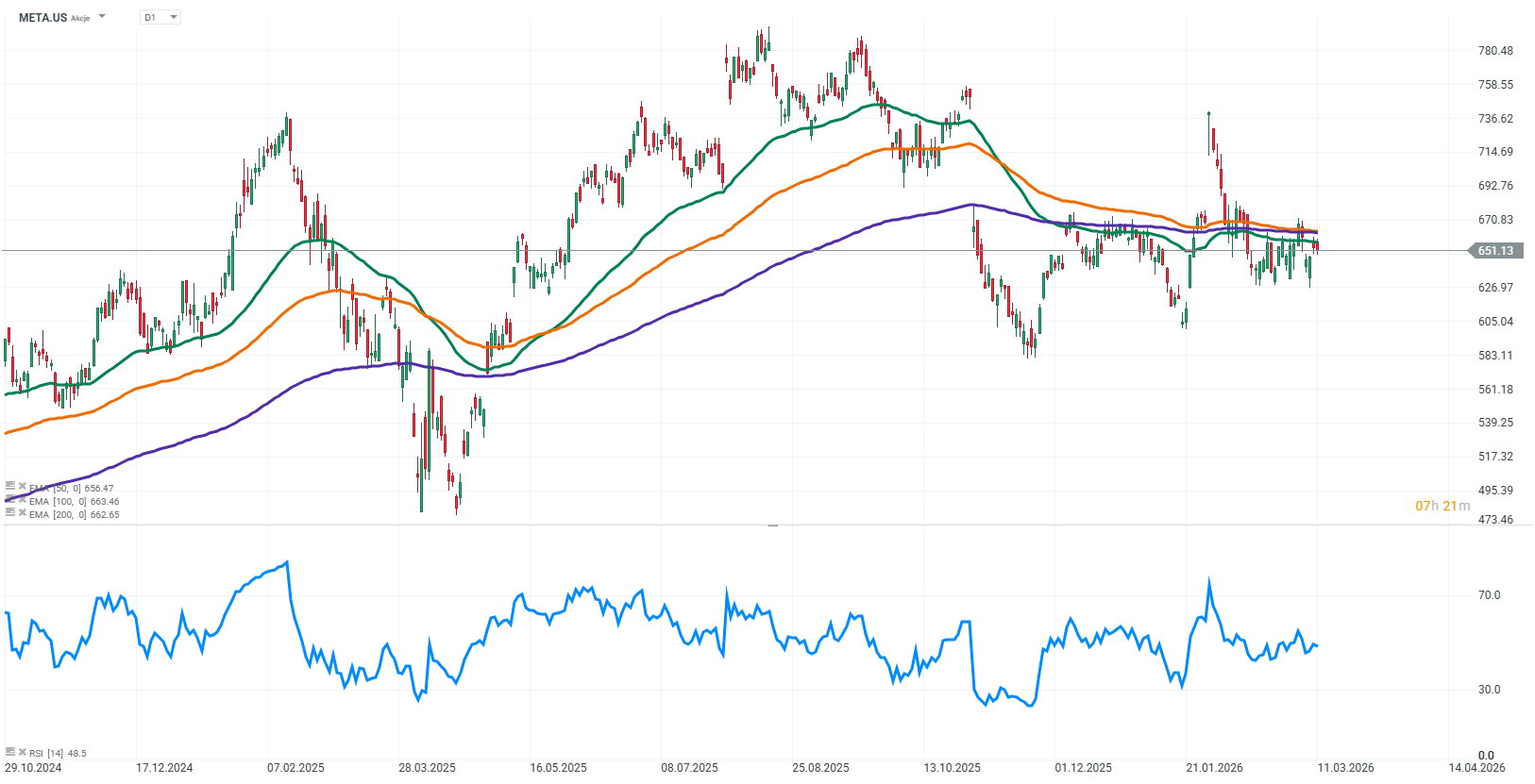
Source: xStation5