The list of recipients of the “AI2050” scholarship has been announced!
The goal of this initiative is to ensure the inclusive and beneficial development of AI, and the total award amount exceeds $18 million.
A total of 28 scholars were selected this time, focusing on three main directions: Build AI scientist systems, design safer and more reliable AI models, and enhance the application of AI in biomedical research.
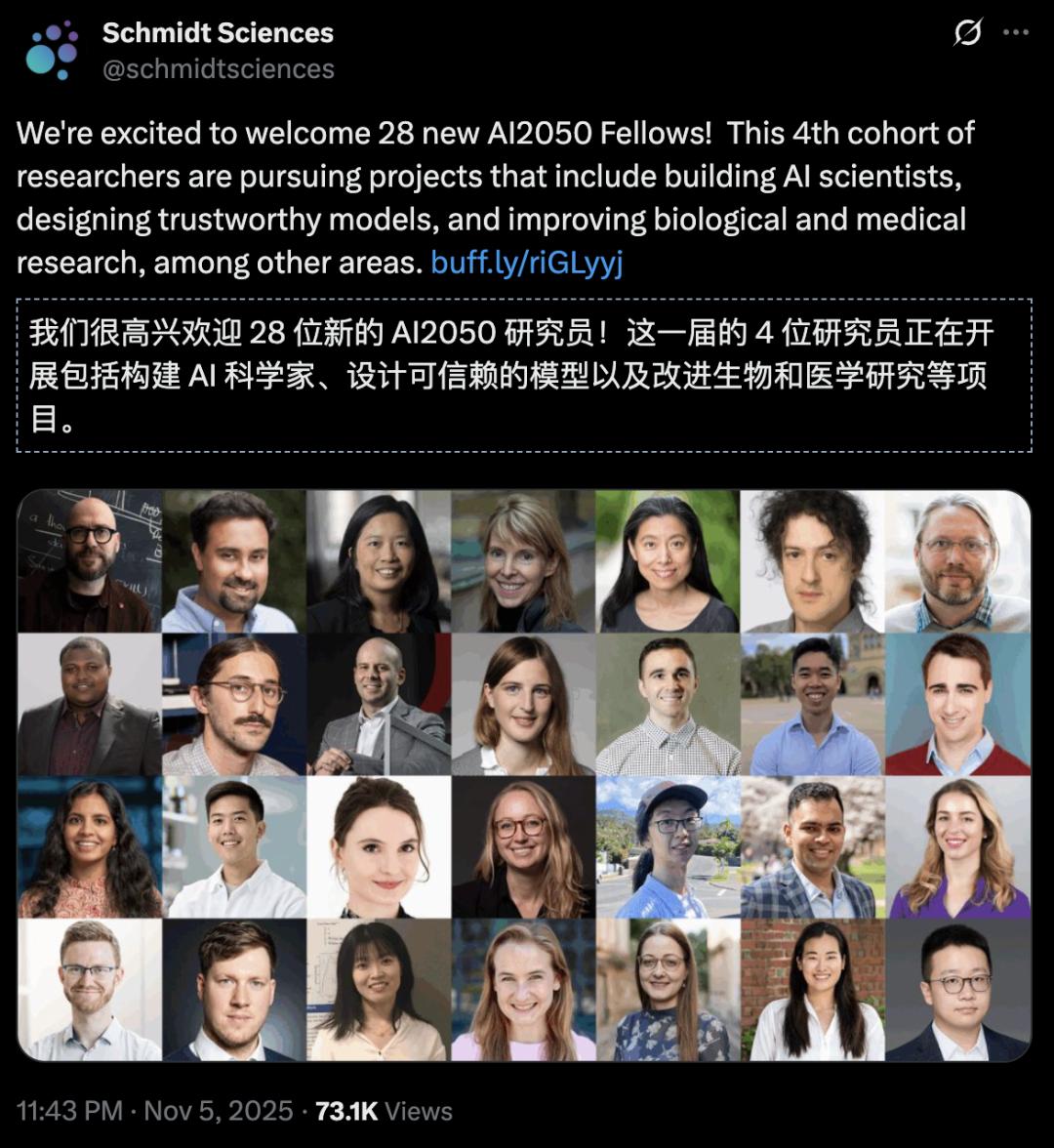
This scholarship is supported by Schmidt Science Fellows, funded by the former CEO of Google.
21 junior researchers and seven senior researchers will receive three years of funding.
This is the 4th edition of the AI2050 project. To date, the project has funded a total of 99 researchers from 42 institutions in eight countries around the world.
Prominent Chinese scientists such as Feifei Li and Percy Liang were selected as senior researchers. Earlier this year, Tsinghua University graduate Xiaowei Xiao was included in the previous “AI2050” list.
A list of newly selected scholars can be found below.
https://www.schmidtsciences.org/2025-ai2050-fellows-payment/
AI2050 is divided into Senior Fellows and Early Career Fellows. Specifically, Senior Fellows are selected based on existing contributions through a private nomination process and no application is required. Early career fellows are required to pursue postdoctoral or pre-tenure research positions.
In addition to the funding itself, selected scholars will be invited to participate in the following programs: Annual academic exchange activities You will have the opportunity to share your research results, expand your collaboration network, and receive additional collaborative research support.
Since its launch in 2022, AI2050 has also established a special fund to support critical computing needs, helping selected researchers overcome hardware limitations and accelerate the research process.
senior fellow
A total of seven tenured scholars have been selected as Senior Fellows.
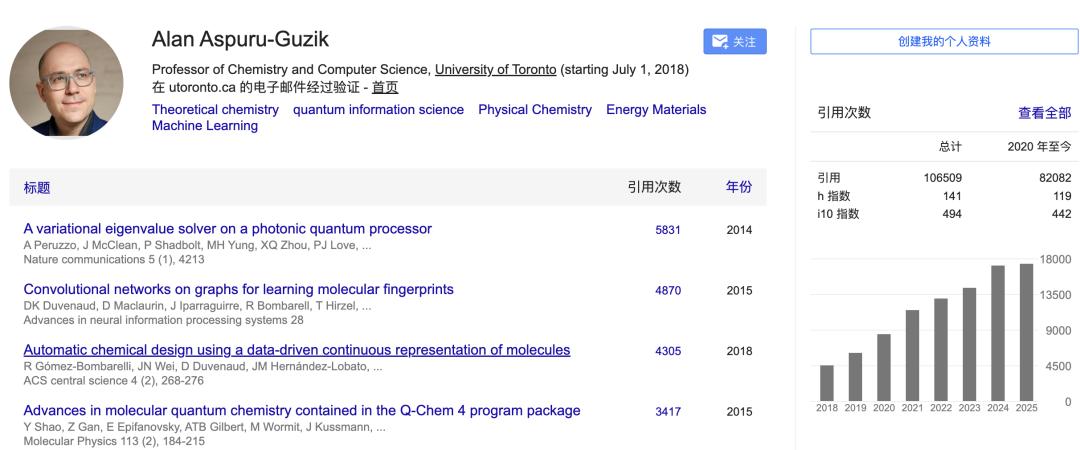
Alan Aspuru-Guzik
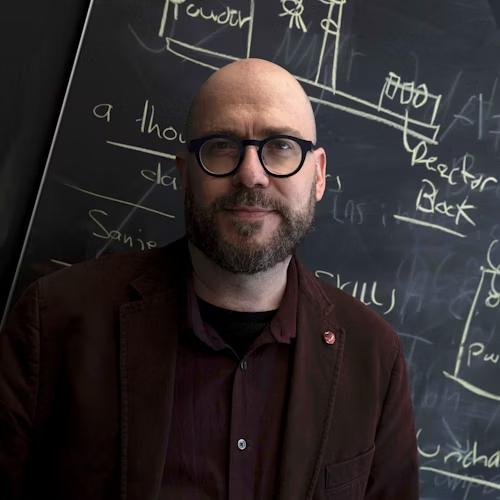
Alan Aspuru Guzik is a professor in the Department of Chemistry and Computer Science at the University of Toronto.
He is a Fellow of the Royal Society of Canada.
His research focuses on the intersection of quantum information, machine learning, and chemistry. He has accelerated the discovery of materials such as organic semiconductors, organic photovoltaics, and organic light-emitting diodes. We also conduct basic research on molecular characterization and generative models.
In the “AI2050” program, “AI Chemist” (AI Chemist) – Professional AI scientists who can collaborate with human researchers. The project combines advanced AI technologies (including large-scale language models and agent systems) to accelerate scientific discovery in the field of chemistry.
The core of the project is to build an intelligent system called El Agente that can independently explore chemical space and discover new compounds, thereby addressing global challenges such as climate change and pandemics and improving the efficiency of synthesizing and testing new materials.
Surya Ganguly
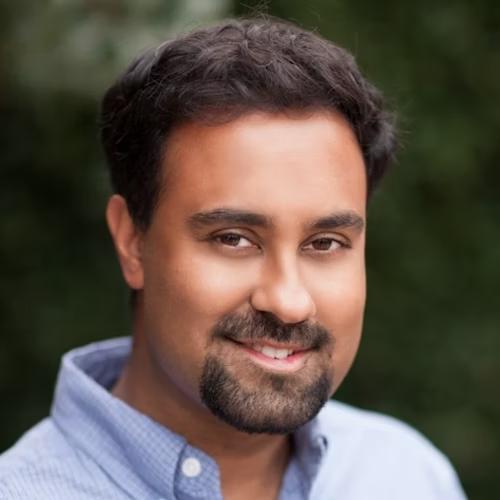
Surya Ganguly He is a professor in the Department of Applied Physics at Stanford University, associate director of the Stanford Human-Centered Artificial Intelligence Institute (HAI), and a venture partner at General Catalyst.
He holds three degrees from the Massachusetts Institute of Technology (MIT) in Physics, Mathematics, and Electrical Engineering and Computer Science (EECS). He later received his Ph.D. in string theory from the University of California, Berkeley, and was a postdoctoral fellow in theoretical neuroscience at the University of California, San Francisco (UCSF).
He was a visiting researcher at Google and Meta AI, and a venture partner at a16z (Andreessen Horowitz).
His research spans AI, physics, and neuroscience, with a primary focus on understanding and enhancing how biological and artificial neural networks enable complex and brilliant emergent computations through learning.
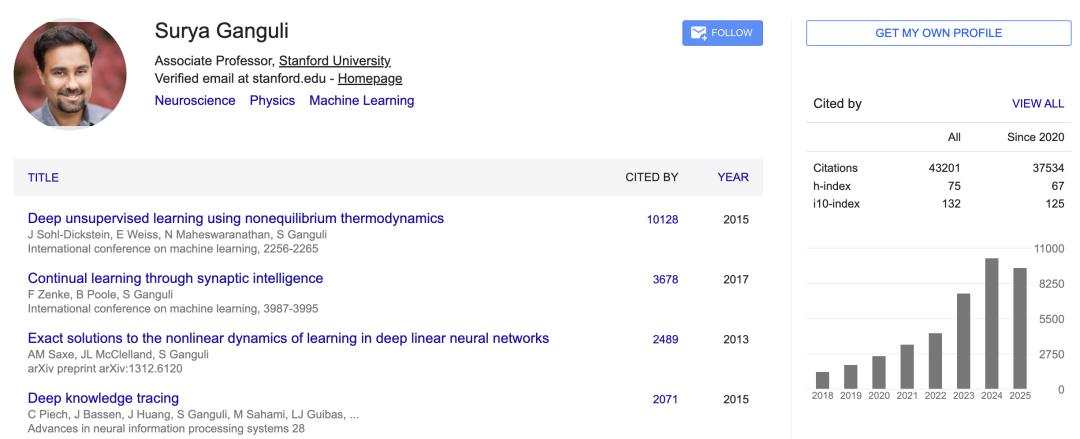
He has received numerous awards and honors, including two Outstanding Paper Awards at NeurIPS, a Sloan Research Fellowship, an NSF CAREER Award, and a Schmidt Science Polymath Award.
GangulyThe research project aims to establish a solid scientific foundation. Interpretable and trustworthy AIreveals the core mechanisms of generative models and large-scale language models in the processes of creation, inference, and learning.
His team is building an analytical theoretical framework to explain creativity and reasoning ability in diffusion models and large-scale language models at a mechanistic level.
The ultimate goal of this project is to uncover the core principles behind general intelligence and facilitate the creation of AI systems that are more interpretable, trustworthy, and human-value compatible.
Shirley Ho

Shirley Ho is a famous American astrophysicist and machine learning expert. She currently heads the research group at the Simons Foundation, is a professor at New York University, and holds a visiting position at Princeton University.
Shirley Ho first introduced three-dimensional convolutional neural networks to astrophysical research, advancing modern scientific applications of deep learning. In recent years, she has shifted her research focus to innovative methods of interpretable machine learning.
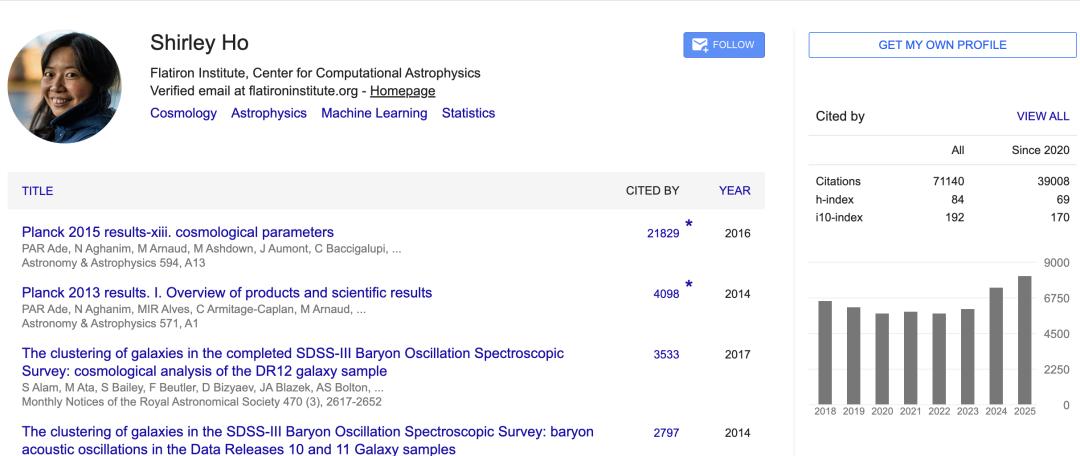
She was elected a Fellow of the International Space Statistics Society in 2020.
Her AI2050 project is dedicated to advancing that. Scientific Artificial General Intelligence (Scientific AGI).
Over the next three years, we plan to deeply understand the working mechanisms of various scientific AI models, explore their integration paths, and develop new ways to integrate them with linguistic AI. The project is expected to create the first AI system that truly “understands the world” and is a significant step toward achieving artificial general intelligence with scientific cognitive capabilities.
Sheila McIleis

Sheila McIlraith is a Professor in the Department of Computer Science at the University of Toronto, CIFAR Chair in Artificial Intelligence in Canada (Vector Institute), and Deputy Director and Research Leader at the Schwartz-Reisman Institute for Technology and Society.
She has published more than 150 academic papers in the areas of knowledge representation, automated reasoning, and machine learning, and her research focuses on “human-centered” artificial intelligence, particularly sequential decision-making problems.

Sheila is a Fellow of ACM and AAAI, the current chair of the “AI100” (Century Years of Research in Artificial Intelligence) project, and a member of the Research Council of the Canadian Institute for AI Safety.
The work of McIlraith and his collaborators has received numerous awards, including the 2011 SWSA Ten – Year Impact Award, the 2022 ICAPS Most Influential Paper Award, and the 2023 IJCAI – JAIR Best Paper Award.
With the AI2050 project, Sheila McIlwraith is committed to giving AI the ability to: “Purposeful Theory of Mind”.
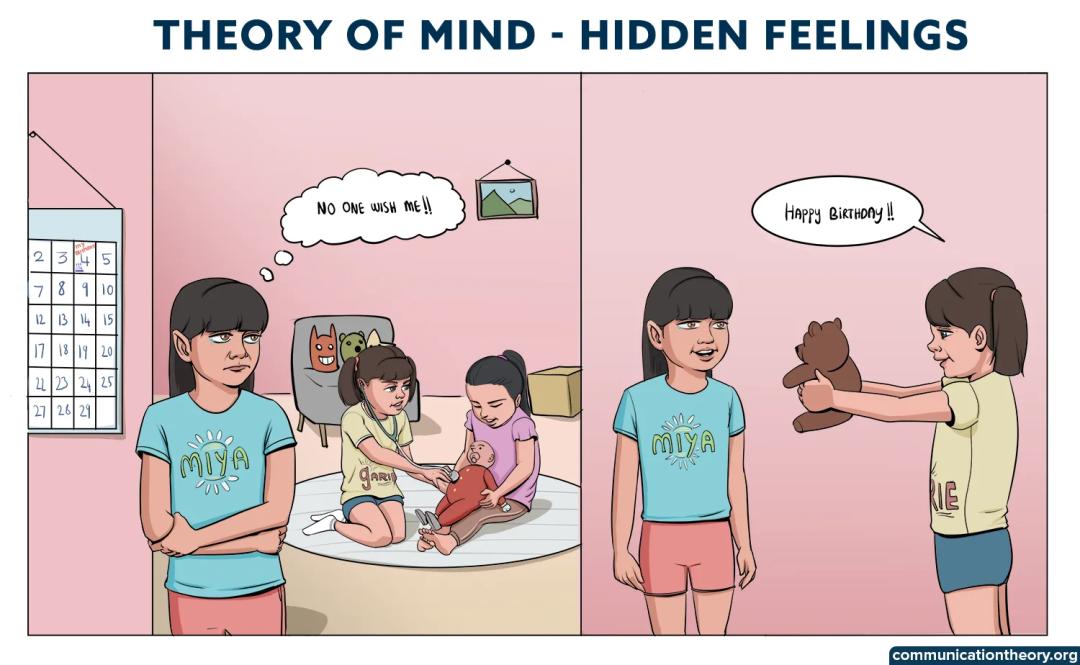
Mutual understanding is the foundation for building trust and cooperation, and the key to increasing it is the ability to “socially recognize.”
This means that AI must not only be able to recognize and understand its own and others’ mental states, such as their beliefs, desires, and intentions, but also be able to actively consider how its decisions and actions affect the well-being and autonomy of others. On this basis, they should be motivated to choose a course of action that balances the interests and dignity of others while achieving their own goals.
This research aims to build AI systems with greater social awareness, moral awareness, and cooperative tendencies, laying the foundation for trustworthy and mutually beneficial intelligent agents.
dawn song
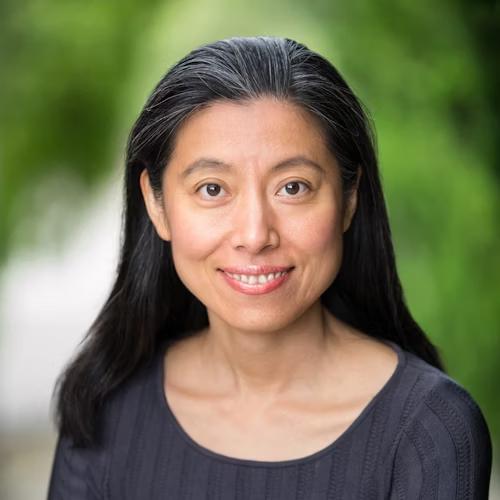
Dawn Song is a professor in the Department of Computer Science at the University of California, Berkeley.
Her research focuses on AI security and assurance, agent AI, deep learning, security and privacy technologies, and distributed technologies.
Dawn Song has received numerous top-level international honors, including a MacArthur Fellowship, NSF CAREER Award, and Sloan Research Fellowship, and has won more than 10 “Long-Standing Paper Awards” and Best Paper Awards at top computer security and deep learning conferences.
She is a Fellow of the ACM/IEEE and an elected member of the American Academy of Arts and Sciences.
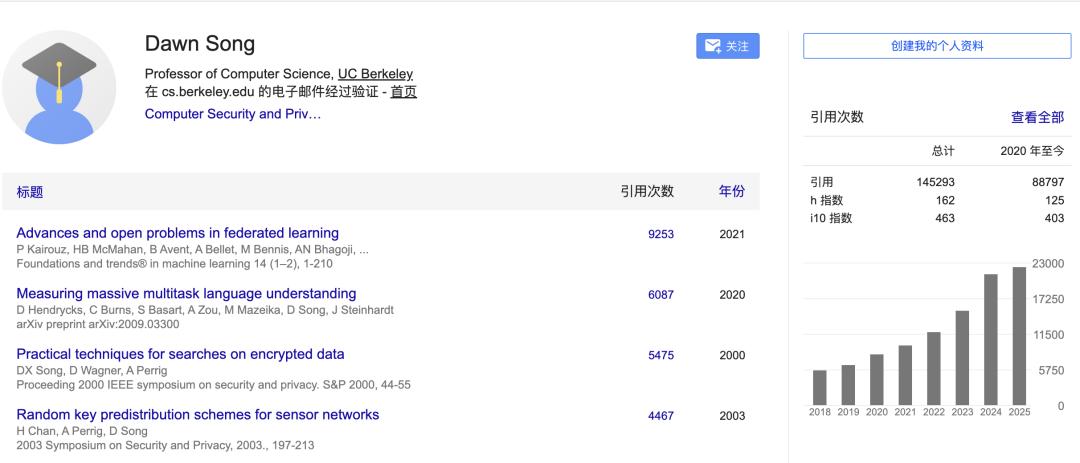
Dawn Song is a Ph.D. in computer science from the University of California, Berkeley. She received her bachelor’s degree from Tsinghua University in 1996 and her master’s degree from Carnegie Mellon University in 1999.
Dawn Song’s AI2050 project is working on the development of AI2050. “Safe and verifiable” AI tools.
AI is reshaping software development, and today’s systems can not only generate code but also perform tasks as autonomous agents.
However, these technological advances also bring unprecedented security challenges. If there are vulnerabilities in the code or agent behavior generated by AI, they can quickly be exploited at scale with serious consequences.
Dawn Song’s AI2050 project aims to solve this problem.
These tools can not only automatically write code, but also generate it at the same time. formal security specifications and mathematical proof Make sure your code is logically and safely sound.
By fundamentally eliminating all types of security vulnerabilities before deployment, this “proven to be safe” approach is expected to significantly improve the security and reliability of AI systems, making them more suitable for critical applications with high global security requirements.
philip toll
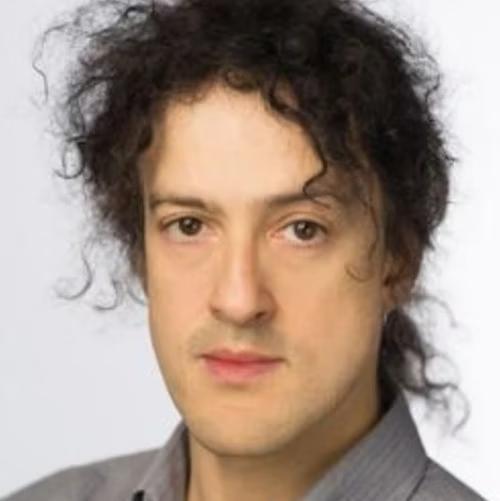
Philip Tolle is a professor at the University of Oxford.
He received his Ph.D. A member of the Robotics Research Group at Oxford University. After graduating, I worked as a researcher at the University of Oxford for three years, and to this day I maintain my position as a visiting researcher.
He then spent six years as a research scientist at Microsoft Research before becoming a professor at Oxford Brookes University, specializing in computer vision and machine learning. In 2013, Philip returned to the University of Oxford as a full professor and founded the Torr Vision Group (TVG).
He has made significant achievements in the field of computer vision. in 1