
SALT LAKE CITY — New uses of AI this graduation season are being hotly debated among high school students and their schools, with some schools canceling their AI plans after student protests and others moving forward with their plans anyway.
Some schools in the Davis School District are proposing to use AI voices to read out the names of graduating seniors during graduation ceremonies. At least three schools considered this option, with one abandoning plans to use AI entirely and a second choosing to move forward with their plans.
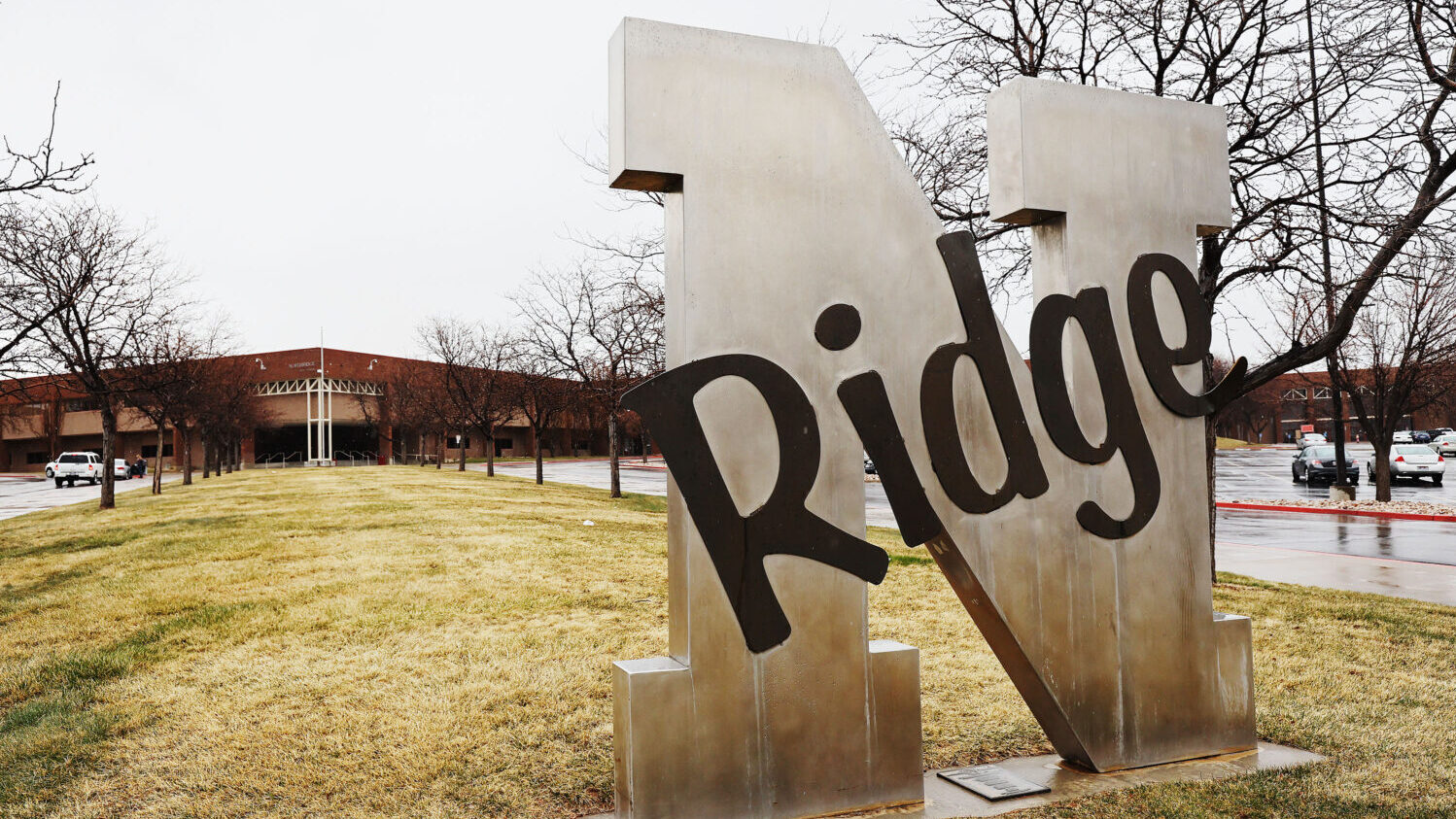
Eva Cowan, 18, is a senior at Northridge High School who is scheduled to graduate on Thursday. She and the rest of the students heard the news in April that the NHS would abandon its usual plan of having graduates’ names read out loud by humans, and instead use an AI system called Tassel to announce them.
“Everyone who heard that story was very upset and angry because we’ve always been told not to use AI, and AI has always been kind of looked down upon,” Cowan said. “But all of a sudden, if it helps the person in charge, then it’s okay.”
On April 21, Cowan launched an online petition for people who do not want tassels to be used at Northridge University’s 2026 commencement ceremony. After more than 1,000 signatures and 40 comments, Northridge decided to halt its plans to use the AI system.
Cowan said she never expected her petition to come to fruition and felt the experience brought the alumni together.
“It was really nice to see everyone from different backgrounds come together and see everyone come together for a common purpose,” Cowan said.
In her petition update, Cowan commended Northridge High School Principal Tyler Paul for “fighting so hard for us.” Mr. Paul explained how excited the school was to celebrate its graduating seniors and that their feedback was heard.
“(The seniors) have worked hard to achieve this milestone, and we highly value their efforts,” Paul said. “After hearing the feedback, we are working with the district to return to our previous plan of having teachers read students’ names. Ultimately, this is one of the last experiences students will have within Northridge High School and the Davis School District, and we want to make it as positive and meaningful as possible.”
Layton High School also filed a petition Thursday to stop the use of tassels at the school’s graduation ceremonies. The petition received 234 signatures and 4 comments.
Layton Principal Brock Jackman said the school wanted to improve the graduation experience for students, but after considering Tassel early on, decided not to use the AI system.
“At no time did we inform our students that we would be using outside services or that our traditional processes would change,” Jackman said. “Our plan is to continue leveraging our in-school processes to provide an excellent graduation program for our students and community.”
Davis High School was the third school in the Davis School District planning to use tassels.
A petition was also created on Davis’ behalf, and nearly 1,000 people signed the petition with 40 comments, but the school chose to move forward with plans to use the tassel at its graduation ceremony scheduled for Friday.
The last update on the petition was April 26th.
The update read, “Thank you for signing!” “Every signature matters and we couldn’t do it without you! Let’s keep it going!”
As for Cowan, he had a message for students who still feel the need to petition against the use of AI in high school graduation ceremonies.
“Keep going and keep sharing with others,” Cowan said. “The biggest shock for me was how many people took this issue personally, sent it to their friends, posted it on their Instagram stories, and wholeheartedly encouraged people to keep sharing it.”
How the tassel works
Universities that have used the tassels include Utah Valley University, the University of Utah and Brigham Young University, according to a notice sent to the newsletter by Davis High School. The idea for the district’s high schools to use tassels came after the district’s assistant superintendent saw the system used successfully at Brigham Young University’s graduation ceremony, said Christopher Williams, communications director.
“It is important that all graduates’ names are pronounced correctly, and our desire was to be able to provide the same level of accuracy in our commencement ceremonies,” Williams said. “Our high school graduation is, of course, the culmination of our K-12 education.”
At that time, the three schools entered Tassel’s research period with plans to proceed as a pilot program until two of them changed their minds.
“What is being used at graduation is not the ‘artificial intelligence’ that is often discussed in classrooms,” Davis High School said. “There is no writing, no thinking, no content creation; the system relies on a large, well-established bank of previously recorded name pronunciations and sound patterns.”
Davis High School added that students can approve pronunciations or provide their own recordings in advance.
“Historically, students with less familiar or more complex names are most likely to mispronounce their names on graduation day,” the school explained. “This system was specifically chosen to ensure that all students, regardless of their background, can pronounce their name clearly and the way they want it, while also addressing the long-standing challenges of volume and intelligibility in large venues.”
But Cowan said Northridge University’s Hispanic alumnus had a hard time getting Tassel to pronounce his name correctly.
“(Tassel) told them to spell their name phonetically, which was a huge problem for the Hispanic residents of Northridge. They would pronounce it correctly, and it was really…really annoying,” Cowan said.
The school claimed the system was comparable to everyday equipment used by students in the classroom.
“In this sense, this technology functions much like the tools students already use on a daily basis, such as spell check, grammar assistance, text-to-speech, and predictive text, supporting accuracy and clarity while centering human choice and identity.”
The school added that the system is not intended to replace people or devalue students.
Along with pronunciation, the Davis High newsletter said the system could also provide visual benefits.
“Each student’s name and the honors earned will be displayed on the Jumbotron while they cross the stage, further highlighting the individual graduate to their families and guests,” the newsletter said, adding, “as a backup.” That way, if unexpected technical issues arise, students are ready to have their names read out in real time. ”
The school added that the system is not intended to replace staff or devalue students, but rather provides consistent sound quality and volume, a predictable pace, and reduced performance pressure.
“We fully recognize that graduation is a very personal and emotional moment for students and their families,” the newsletter reads. “It’s natural for students to have strong feelings about how the moment looks and feels. The goal of this pilot is not to make the ceremony feel impersonal, but to thoughtfully explore ways to improve accuracy, clarity, and fairness while maintaining the celebratory spirit of the ceremony.”
Davis High School ultimately said it values feedback from the community, families and students and will share it with district leaders after graduation.




