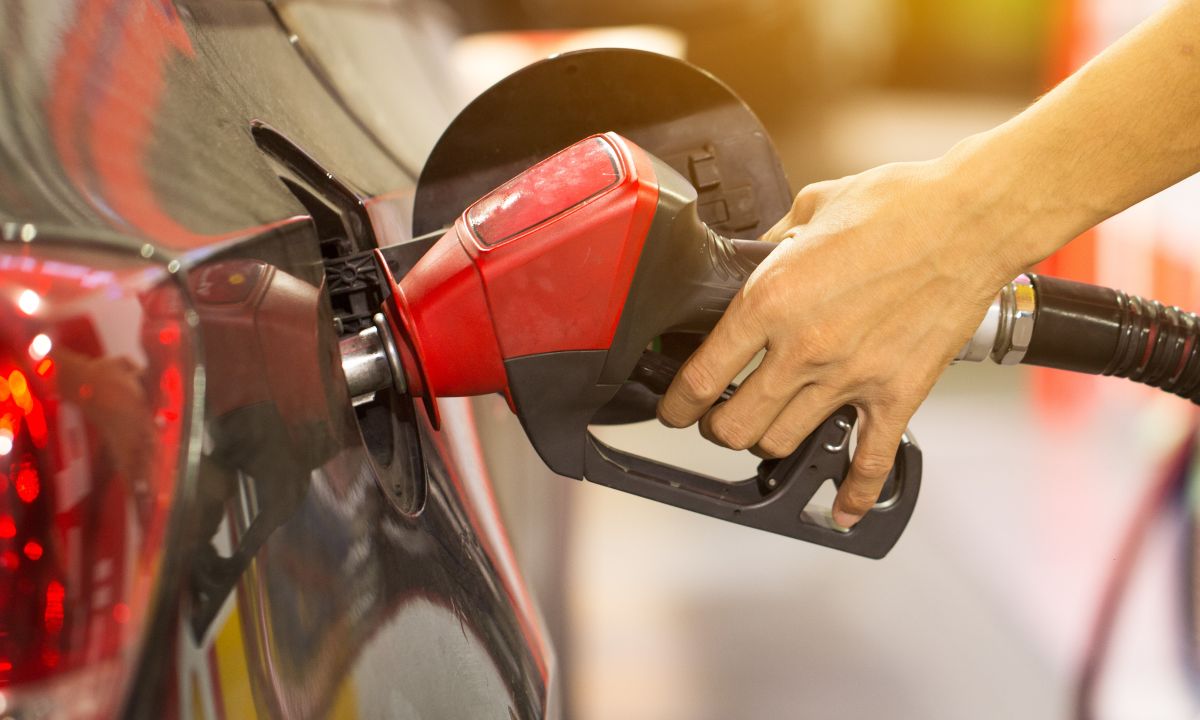
California consumer groups have filed a proposed class action lawsuit accusing gas station operators including Walmart, Marathon Petroleum, BP and 7-Eleven of using artificial intelligence pricing tools to illegally jack up prices at the pump in the state, according to a complaint filed in federal court in Sacramento.
Together, the companies operated more than 1,700 gas stations in California and used Calibrate Fuel Systems’ algorithms to automatically adjust prices based on shared confidential data, according to the complaint. The complaint alleges that the tool raised gasoline prices by 22 cents a gallon and diesel prices by 33 cents, on top of prices that had already reached more than $7 a gallon in some areas during the U.S.-Iranian conflict. Each penny per gallon costs California drivers about $134 million a year, according to the complaint.
The lawsuit is one of the first to be filed under AB 325, a California law passed last year that bans the use of shared pricing algorithms, Bloomberg reported. The company is seeking damages under California’s antitrust law from drivers who overpaid for fuel. California’s fuel watchdog, the Office of Petroleum Market Oversight, an independent agency within the California Energy Commission, has issued subpoenas to some power plant owners citing soaring prices, Bloomberg reported.
The case reflects a legal theory that regulators have developed over the years. PYMNTS reported that the Department of Justice’s antitrust division has increased its focus on common pricing platforms, arguing that competitors’ pricing decisions through a common algorithm can constitute a hub-and-spoke conspiracy (a legal theory in which a central actor coordinates competitors without direct contact), even without direct communication between the companies involved. Justice Department officials said the algorithmic system generates extensive digital records such as logs, time stamps and data trails that could enhance rather than complicate prosecutions.
The California case fits into that framework. Plaintiffs do not allege that gas station operators met to determine prices. They claim that shared AI tools did it.
State legislatures are working to get ahead of this movement. PYMNTS reported that more than 60 bills targeting algorithmic pricing are pending in more than half of U.S. states, and antitrust enforcement officials are focused on the potential for shared pricing systems to facilitate coordination among competitors without explicit collusion.
Advertisement: SCROLL TO CONTINUE
The outcome of this case could have implications beyond the fuel sector. Kalibrate’s tools are used at thousands of stations across the country, and the legal theory underlying the complaint that shared AI pricing platforms enable illegal coordination between competitors applies to any industry where multiple companies rely on the same algorithms to set prices.