Show summary Hide summary
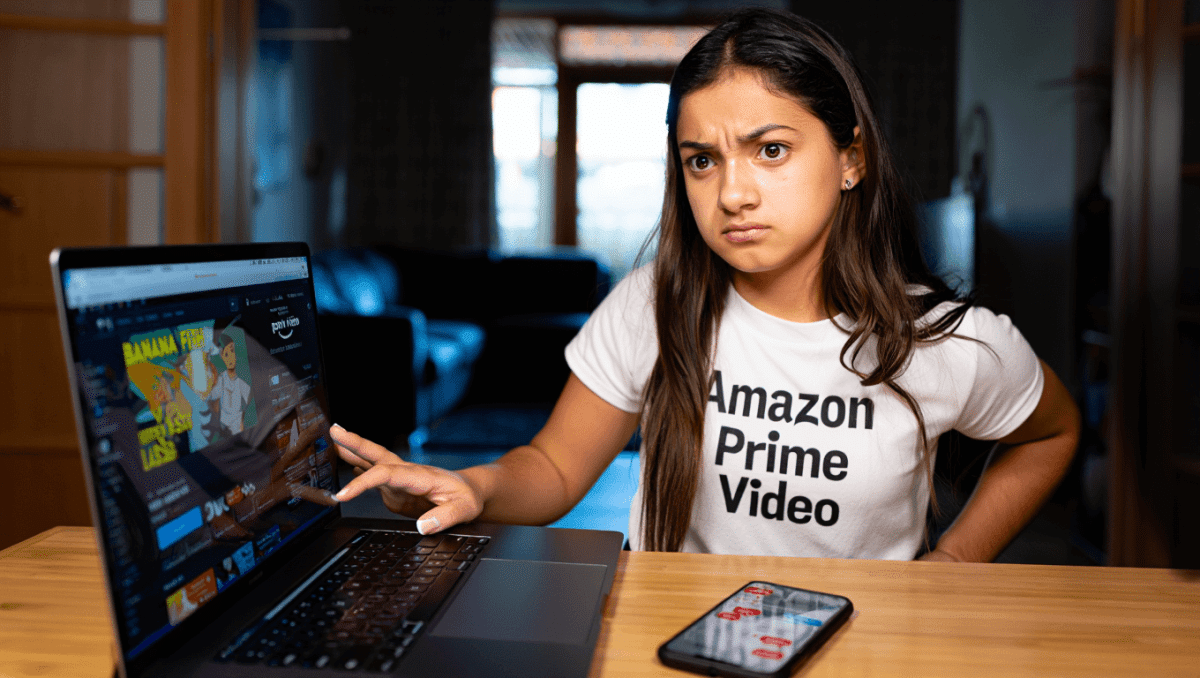
Anger has erupted across social platforms ever since Prime Video introduced AI-generated English dubbing for anime, particularly the Banana Fish series. Fans and industry experts say the move crosses a red line, prompting subscription cancellations and public calls for change.
Why AI dubbing receives fierce criticism from fans
Opponents argue that automated voice work undermines the technology and the people who practice it. Their complaints center on a few repetitive points.
- unemployment — Dubbing provides a steady income for many voice actors. Critics argue that AI threatens these livelihoods.
- emotional nuances — Synthetic voices often can’t match the subtlety and timing that real performers bring.
- artistic integrity –When an emotionally heavy title like “Banana Fish” is dubbed by an algorithm, many people feel that the original meaning is diminished.
- Copyright and training data — Some fans claim that the AI model was trained based on existing actors’ performances without their consent.
Actors’ reaction: public scolding and subscription cancellation
Several voice actors publicly criticized this decision. One prominent industry voice said Amazon’s choice was disrespectful to performers and vowed to refuse to work with the platform in the future. The actor also reported that he canceled his Prime membership.
Other people involved in the field expressed similar opinions. One cast member urged fans to “vote with their money,” while another said the AI-generated voiceover severely distorted the show’s emotional core. These reactions quickly spread online, fueling a wave of unsubscriptions.
Notable responses from the community
- Prominent voice actors criticized the perceived greed behind the move.
- Streamers and content creators reportedly shared clips showing the AI dubbing’s bad timing and strange intonations.
- Fans amplified the message on Twitter, TikTok and other platforms to put pressure on the streamer.
How viewers are organizing backlash
Protests have taken many forms, from small-scale cancellations to organized social campaigns. Proponents of human dubbing use multiple tactics, including:
- Cancel or threaten to cancel your Prime membership.
- Post clips side by side to highlight differences in quality.
- Urges labor unions and talent agencies to add protections against using performers’ voices in AI training.
- Encourage legal action and crowdfunding to support potential litigation.
On TikTok, creators are calling the issue an industry crisis and urging collective action to prevent AI from becoming standard practice.
legal and ethical issues are raised
Beyond quality complaints, experts and creators warn of broader implications. The main concerns are:
- Whether an AI model built from existing dubbing violates performers’ rights.
- How should contracts change to protect talent’s voices from misuse?
- Whether streaming platforms are liable if they deploy AI using questionable datasets.
Some voices in the community are already calling on unions to add a clause that would prohibit AI training based on customer performance. Some have suggested that litigation may be necessary to set a precedent.
What this means for anime localization and streaming services
If AI dubbing becomes the cost-saving standard, its ripple effects could extend to every part of the localization effort. Potential consequences include:
- Budgets for talent are reduced and casting opportunities are reduced.
- The fan base is divided into those who accept machine dubbing and those who refuse to watch it.
- Pressure other platforms to adopt similar technologies to remain competitive.
Some fans worry that the same automation will affect subtitles and translation work. It has already been reported that the service is relying more on machine tools to produce subtitles, which some viewers say has led to a drop in the quality of this season.
Request community-driven solutions and platforms
Fans and experts have suggested a variety of responses for streaming companies to consider.
- For emotionally important titles, we restore or provide human-produced dubbing.
- Add transparent opt-outs to AI-assisted content.
- Negotiate contractual protections for performers to prevent their voices from being used as training data.
Discussions continue for now That’s because viewers are considering whether to continue paying for services that use AI tools instead of human performers.
Give us your feedback
★★★★★
Be the first to rate this post
or leave a detailed review