BEIJING, Feb. 10 (Xinhua) — As the 2026 Chinese New Year approaches, artificial intelligence (AI) is reshaping holiday consumption through predictive services, seamless transactions, and personalized experiences, driving a new wave of economic vitality.
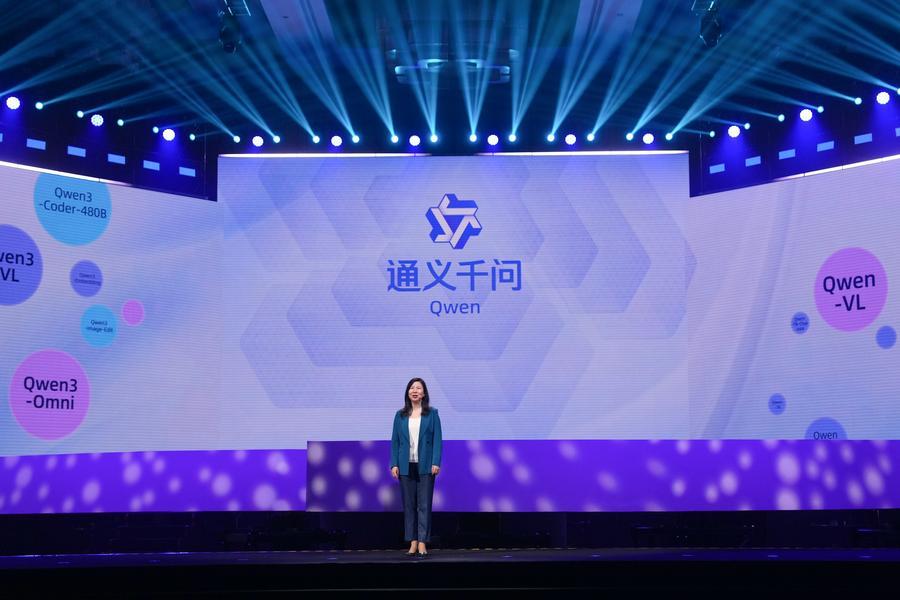
On February 2, Alibaba’s Qwen app launched a 3 billion yuan (approximately US$431 million) “Chinese New Year Treat Plan”, partnering with several other apps such as Taobao Flash Shopping, Freshippo, and Tmall to offer cash rewards and free purchase opportunities.
According to Zheng Sishou, product owner of Qwen App, the aim of this initiative is to help users increase their reliance on AI to meet their daily requirements, eliminate the need for app switching, and provide one-stop service.
“Through significant financial investment, Qwen App aims to foster the habit of users asking AI for assistance,” Zheng said.
Competitors such as Tencent and Baidu have also joined the trend. Tencent’s Yuanbao app is distributing 1 billion yuan in red envelopes, and Baidu’s Erniebot is offering 500 million yuan in rewards until March 12th.
Industry experts say these campaigns emphasize strategic drives to capture user traffic and leverage spending potential.
Xu Fei, director of Taobao and Tmall Group’s research center, said, “With the support of AI technology, the platform and products have become more consumer-friendly.”
“Platforms are evolving from ‘guess what you like’ to ‘understand what you need,’ and the starting point for consumption is moving from the user’s list of wants to life scenarios identified by AI,” Xu pointed out.
Beyond promotions, AI is proactively identifying consumer needs. For example, air conditioning apps can remind users to change filters based on power usage and air quality data, and meal tracking apps can estimate nutritional content and recommend lower-calorie meals. The travel platform also suggests resort routes with customized pitstop services.
AI not only drills into consumer demand but also supports consumption decisions.
A recent collaboration between Xiaomi and Ant Group allows AI glasses to handle parking payments with a glance or voice command. Previously, JD.com partnered with Rokid, an AI-powered smart glasses provider, to integrate shopping functionality into its smart glasses.
“Technological innovation is driving new consumer demand, and AI-related home appliances and 3C products are emerging as new consumer attractions,” said Xu Lan, CEO of JD.com.
AI-driven gadgets are becoming the highlight of consumption, as sales of smart products on JD.com will surge more than 200% year-over-year in 2025, according to Xu.
Meanwhile, simultaneous requests such as AI live streaming, coupon pushing, and consultation are putting response speeds to the test, highlighting the need for robust computing power.
Deng Conglin of Alibaba Cloud said, “To support peak demand during the Chinese New Year period, Alibaba Cloud allocated flexible computing resources to ensure Qwen’s stability amid potential traffic spikes.”
Experts say China needs to continuously strengthen its AI computing power infrastructure, reduce business operating costs and improve consumer experience.
China’s “AI+” action plan released by the State Council in August 2025 emphasizes consumption upgrading through intelligent terminals and ecosystems.
The action plan aims to promote comprehensive intelligent interconnection of smart terminals, foster an ecosystem of intelligent products, and vigorously develop next-generation smart terminals such as intelligent connected cars, AI smartphones and computers, intelligent robots, smart home devices, and wearable technology.
This effort aims to build an integrated full-scenario intelligent interaction environment.
According to an outlook report released by China International Capital Corporation, 2026 is expected to be a pivotal year for the adoption of AI consumer devices. ■