
AI is reshaping the cybersecurity equation
Artificial intelligence (AI) is developing rapidly and is gradually becoming a national strategic digital infrastructure. This evolution has increased the demand for the safety and security of AI systems and the application of AI in cybersecurity protection efforts.
To build a platform for discussion, networking, and sharing of practical experiences while fostering joint initiatives in cybersecurity and AI, the National Cybersecurity Association (NCA) held a workshop titled “Security in the AI Era – Strategies to Shape the Digital Future” in Hanoi on April 7.
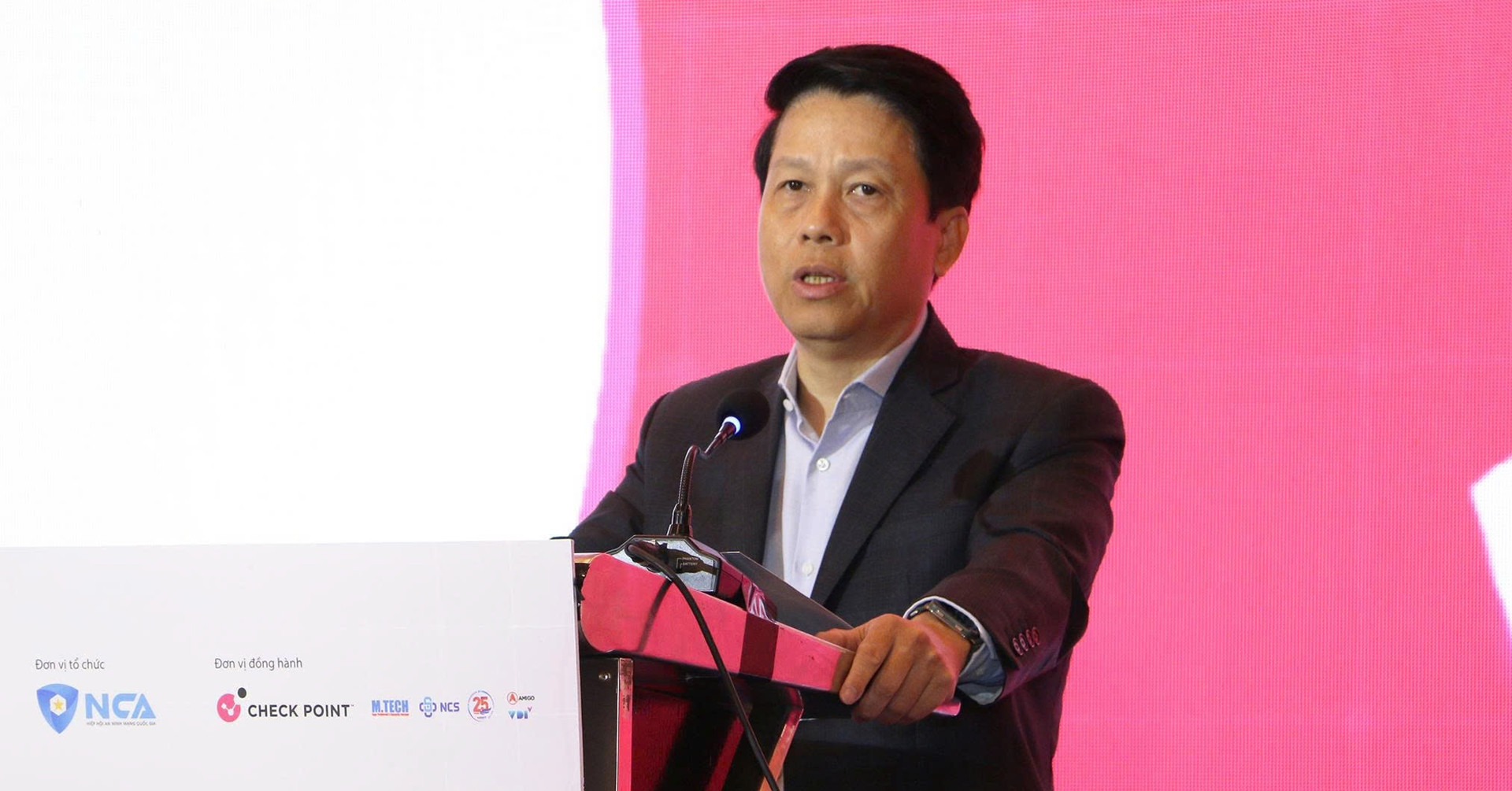
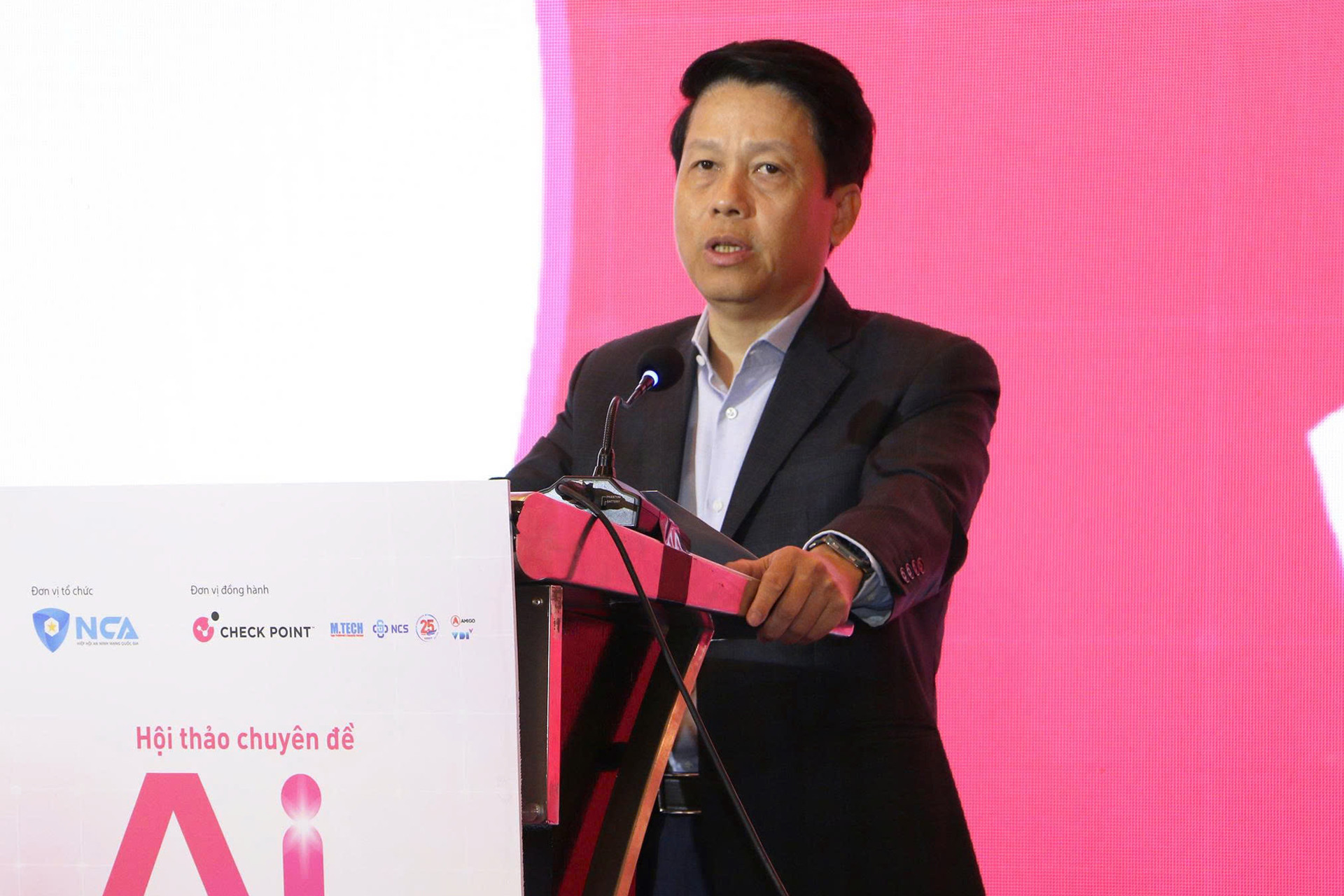
Pham Tien Dung, Deputy Governor of the State Bank of Vietnam and Vice-Chairman of the NCA, emphasized that Vietnam faces a great opportunity to break into the digital era. However, to take advantage of this opportunity, a solid cybersecurity foundation is essential, where innovation is aligned with security and development is closely tied to risk management.
He pointed out that AI is not only a driver of socio-economic development, but also transforms the way organizations operate and manage. In the finance and banking sector, AI is being researched and applied in areas such as credit scoring, fraud detection, process automation, and customer support, thereby increasing efficiency and expanding access to services.
“However, AI is fundamentally changing cybersecurity risks and challenges. Attackers are leveraging AI to automate processes, increase the scale of operations, and increase the sophistication of campaigns. As a result, cyberspace is becoming more complex, posing significant challenges to traditional defense methods.”
Sharing the same view, Colonel Nguyen Hong Quang also emphasized that AI is fundamentally changing both the methodology and nature of cyber threats. Rather than relying primarily on traditional techniques and tools, cybercriminals can now automate large-scale attacks to an unprecedented degree of sophistication.
Remarkably, cybercrime is moving from an isolated activity to a highly organized and organized industrialized model. AI allows attackers to significantly reduce preparation time, accelerate deployment, and increase attack radius.
“This leads to a new reality: Cyberspace is no longer a static environment, but a ‘dynamic battlefield’ where attacks and defenses occur continuously at an accelerating rate,” he added.
“AI is reshaping both business innovation and cyber risk,” said Ruma Balasubramanian, president of Asia Pacific and Japan at Check Point Software Technologies.
Ensure cybersecurity from the design stage of AI systems
Col. Nguyen Hong Quang discussed response strategies and emphasized the importance of strengthening cooperation between government agencies, businesses, and international organizations. Building a collaborative ecosystem characterized by threat intelligence sharing and coordinated research, development, and deployment of advanced technologies is essential.
According to Pham Tien Dung, in the banking and financial sector, AI applications need to be evaluated and managed using a risk-based approach.
AI systems that automatically execute financial transactions can have a direct impact on the market and therefore require strict monitoring, appropriate control limits, and timely intervention mechanisms.
AI systems that support or make credit decisions must meet high standards of transparency, fairness, and customer protection.
Meanwhile, AI systems used to detect and prevent fraud must be deployed in a way that increases their effectiveness while minimizing the risk of impacting legitimate transactions.
The limitations of traditional cybersecurity methods against next-generation threats are becoming increasingly apparent. This requires two approaches. On the other hand, AI must be designed, deployed, and operated in a safe, reliable, and controlled manner. On the other hand, AI should be used as a tool to strengthen cyber defense capabilities.
“Building an AI ecosystem is not just about technology, it also requires robust data governance, risk management, and ensuring cybersecurity from the system design stage through the entire lifecycle,” Dung emphasized.
Ruma Balasubramanian recommended that organizations and enterprises in Vietnam adopt an AI security approach that focuses on visibility, governance, and prevention across the AI ecosystem. He also introduced AI Defense Plane, a Check Point platform that provides comprehensive security for AI applications and infrastructure, providing layered protection against risks such as prompt injection attacks, data leaks, and malicious behavior by AI agents.
Van Anh


