June 23, 2023
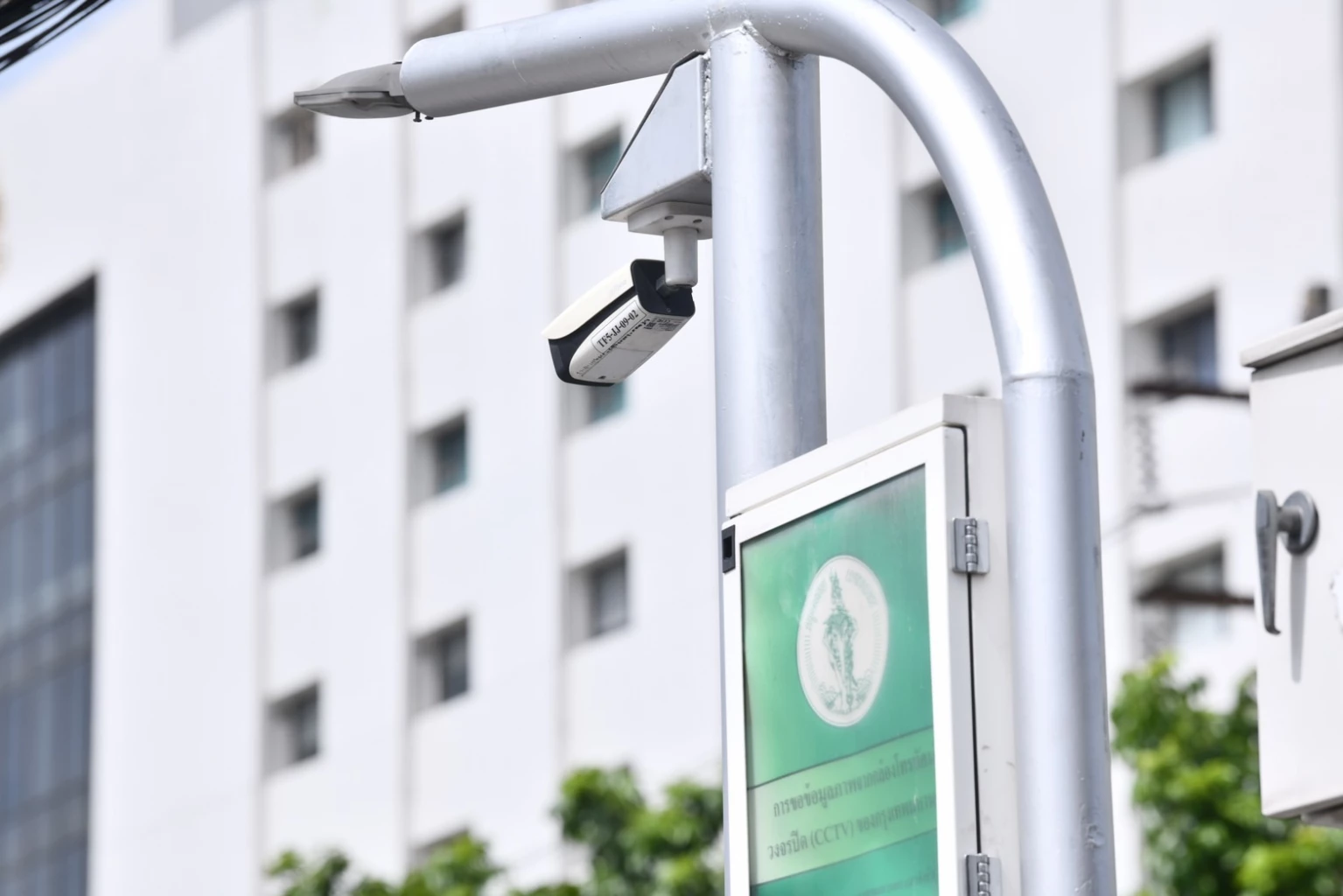
Bangkok – To ensure compliance with traffic laws and promote road safety, the Bangkok Metropolitan Administration (BMA) is piloting the use of CCTV surveillance to prevent motorcycles from riding on sidewalks.
The project was officially launched Wednesday at a press conference by Governor Chadchart Sittipunto at City Hall 1, Phra Nakhon District.
The governor was also joined by Deputy Governor Wisanu Subsompon and Pol President Advisor Adit Ngamjitskuri.
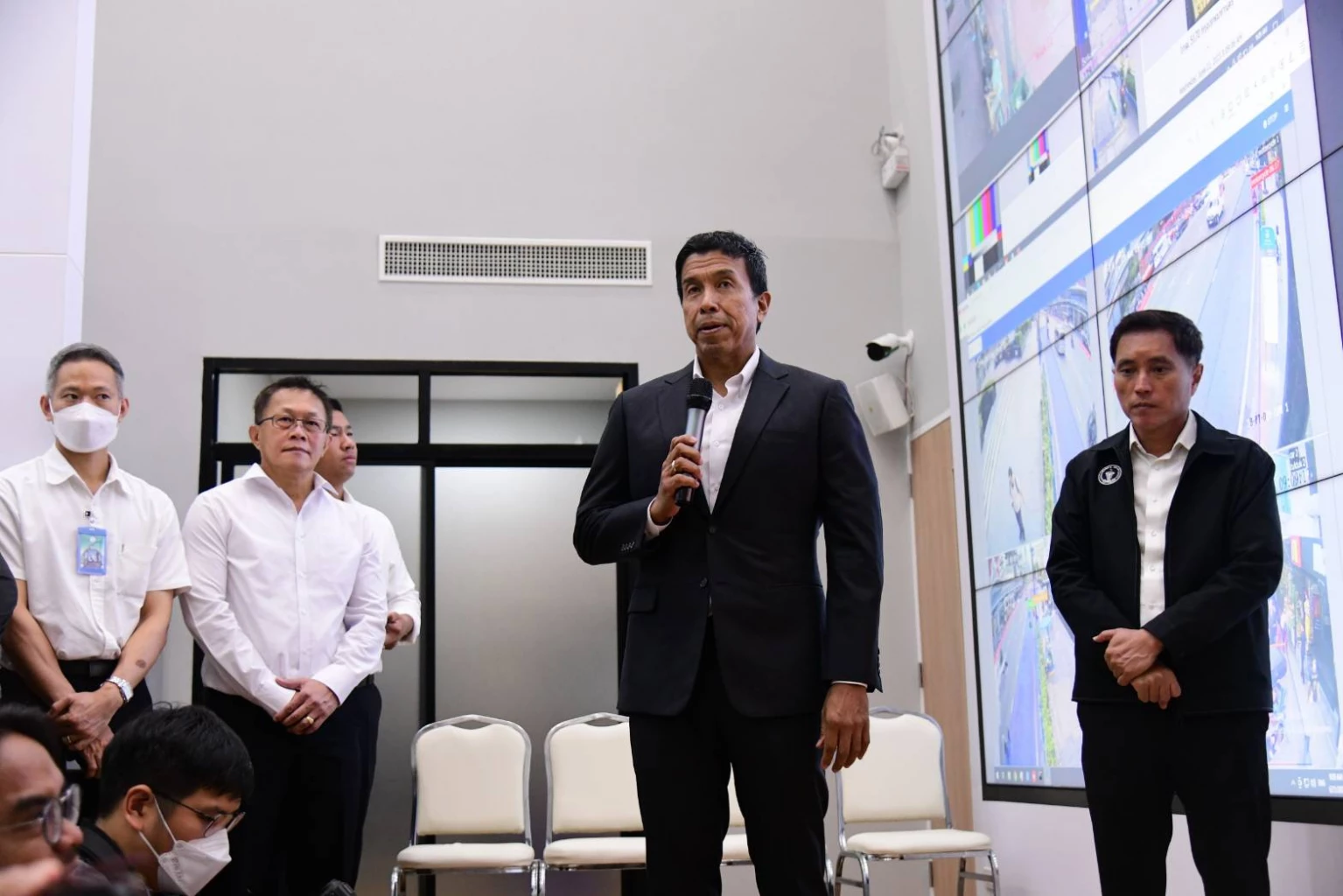
Chadchart said the city has installed a network of surveillance cameras controlled by artificial intelligence (AI) to help the city enforce traffic discipline on motorcycles that endanger the safety of pedestrians on sidewalks.
“Using only human officials to monitor and enforce the law creates conflicts with drivers and a lack of transparency,” he said. “That is why we use CCTV to record evidence. AI technology helps identify the vehicle owner from the database and issue fines accordingly.”
According to the Road Traffic Act, using a vehicle on a sidewalk can result in a fine of up to 2,000 baht.
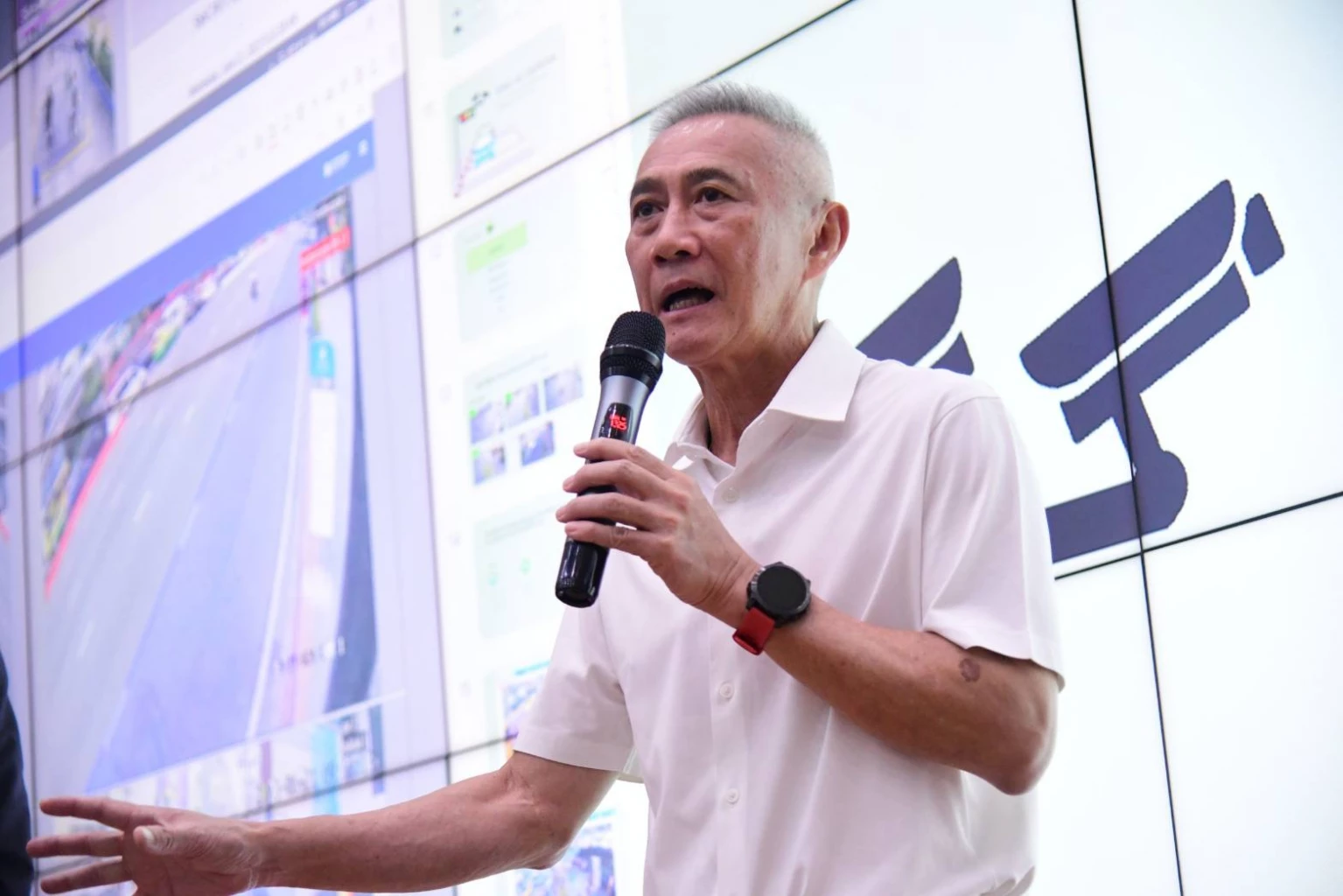
Governor Adit added that the CCTV system will use AI to read license plates from video footage, match them with the Department of Motor Vehicles database, and then forward information about vehicle owners to the BMA City Law Enforcement Department.
The authorities will then issue a notice to the owner’s address directing him to pay the fine at the district office. If the fine is not paid, a second notice will be issued after 15 days, he added.

In the pilot phase, AI-powered cameras have been installed in five locations and have been on the road since June 12th.
The system detected illegal motorcyclists on sidewalks such as:
1. Soi Ratchadapisek 36 (Sua Yai Utis), 2,921
2. Soi Phetchasem 28, 1,338 cases
3. 619 incidents in front of Niwet Warin School
4. Soi Phetchaburi 9, 49 Incidents
5. 19 incidents in front of PTT service station on Zapalak Road
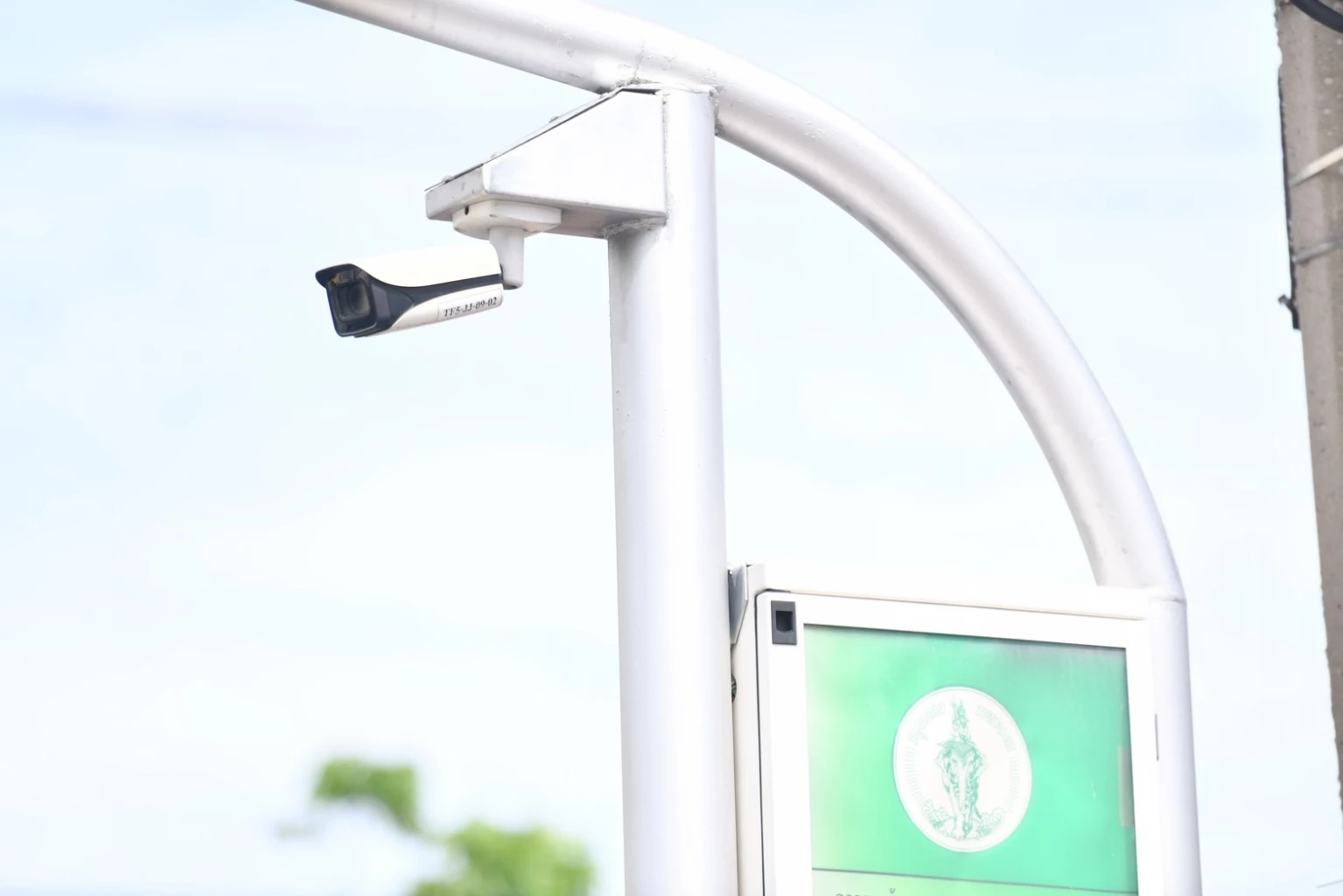
“CCTV cameras can monitor 24/7 without human oversight, and their activities are fully traceable from the database to ensure transparency in legal proceedings,” Chadchart said. . “Soon he will have more cameras at 100 locations around the city.”
Chadchart added that the AI can also detect whether offenders are motorbike taxis, delivery workers or ordinary people. This would allow the city to warn couriers and taxi group leaders that members are breaking the law.
“We are looking to improve our existing infrastructure to minimize additional investment. The city already has CCTV platforms in several areas, so we just need to add AI software and integrate it with the central network. said Chadchart.
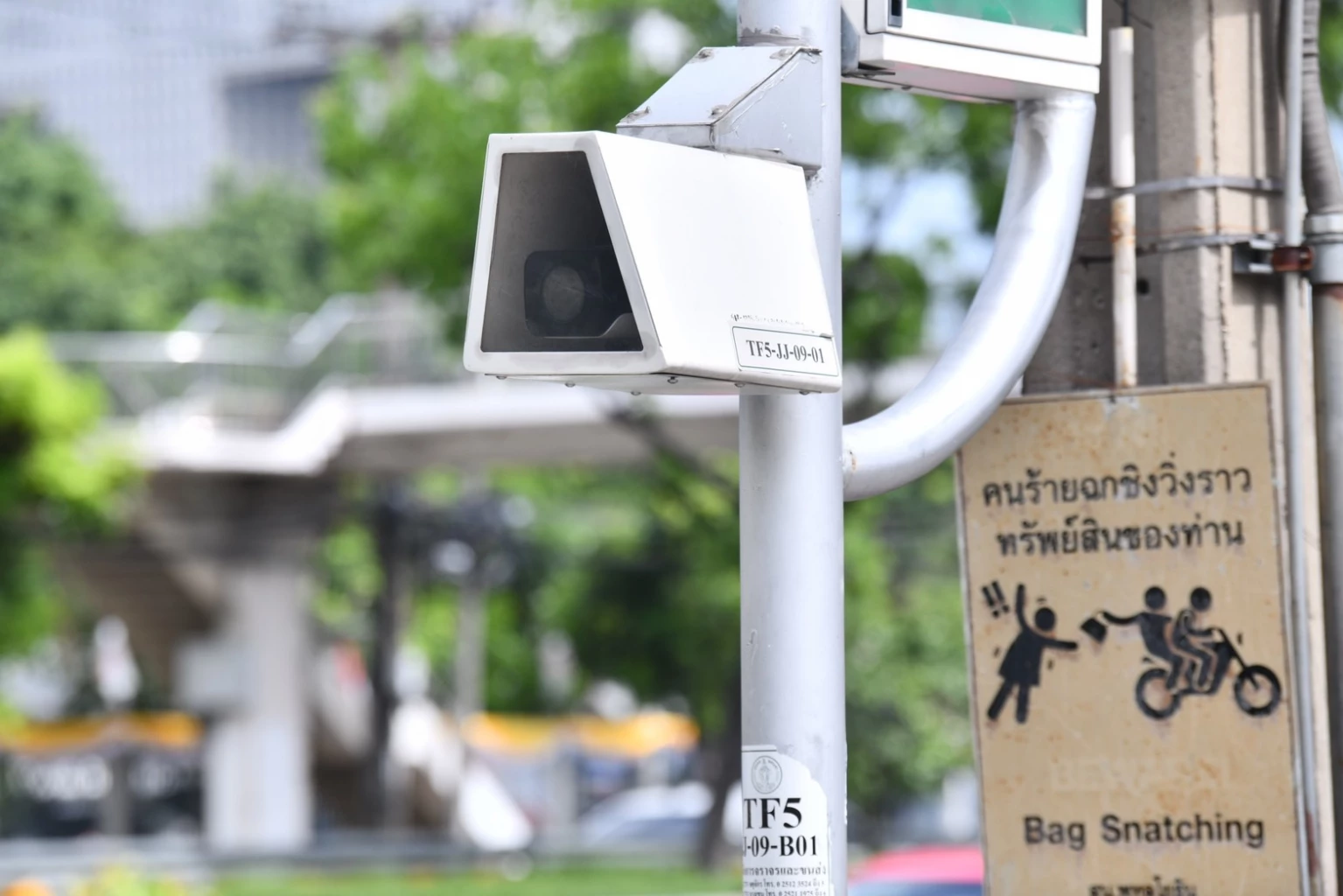
The governor added that the BMA also plans to use CCTV this year to control 500 traffic lights, which still use an inflexible schedule control system.
“By using surveillance cameras, authorities can monitor roads in real time and ensure continuous traffic flow by adjusting traffic lights according to the number of vehicles during certain times of the day, such as rush hours and weekends. and we can make the most of the road surface,” he said.
Other measures the BMA will take to reduce traffic violations, the governor said, include adding U-turn points for motorcycles to eliminate the need to use sidewalks to travel against the flow of traffic. and construction of connecting walkways between sois and motorbikes, he added. No need to use main roads.
“CCTV and AI are like the city’s magic eyes, watching every driver from anywhere at any time,” Chadchart warned. “Follow traffic laws and don’t use sidewalks as shortcuts. You will be fined and violations can affect your career.”