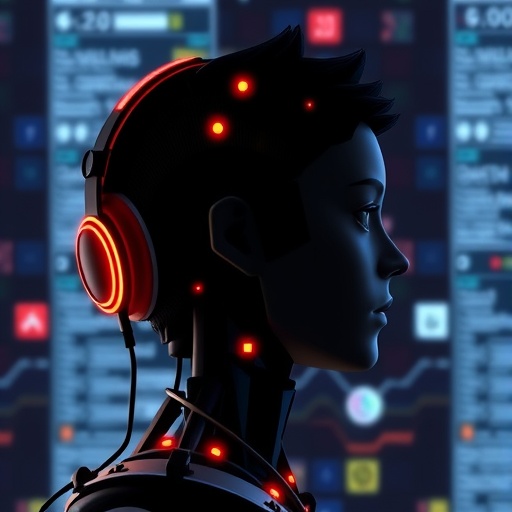
In an era defined by rapid technological advances, the intersection of artificial intelligence and education is transforming traditional learning paradigms. The latest research by Liu and Li delves into AI-driven listening systems and their applications in language acquisition. This innovative research reveals how these systems not only enhance auditory perception, but also reshape the way learners interact with language. Given the important role that listening plays in language comprehension and communication, integrating AI into this process could be a turning point for both educators and learners.
AI-powered listening systems utilize advanced algorithms that can adapt to individual listening styles and needs. These systems analyze user interactions and adjust the audio output to best suit the learner's preferences while providing a rich auditory experience. The implications are wide-ranging and suggest that such personalized learning tools have the potential to significantly improve language retention and comprehension, especially for people working on second language acquisition. These systems promise a tailored experience for each learner, rather than a one-size-fits-all approach.
As Liu and Li argue, the integration of AI in language acquisition is not just about automating processes, but rather redefining the educational experience. Researchers claim that AI systems can enhance auditory perception by immersing users in diverse sound environments. This immersion helps you not only understand phonetics and intonation, but also the cultural nuances built into the language. This multifaceted approach has the potential to develop more rounded communicators who are attuned not just to what is said, but how it is expressed.
One of the breakthroughs in their research was the use of machine learning techniques to develop a context-aware listening system. By analyzing learner progress, preferences, and challenges, these systems can proactively curate the most beneficial listening exercises. For example, if a learner is struggling with a particular phoneme, the system can introduce targeted auditory drills designed to improve proficiency. This capability goes beyond traditional tutoring methods that provide static exercises and cannot dynamically adapt to individual needs.
Liu and Li's findings also show that the cognitive load typically associated with language acquisition is significantly reduced. Traditional listening practice is often overwhelming and monotonous, resulting in lapses in concentration. In contrast, AI-driven systems create engaging and interactive experiences that potentially keep learners interested and motivated. This innovation could lead to improved outcomes because students are less likely to tune out when actively participating in a customized listening environment.
Additionally, researchers are investigating the role of feedback within AI-driven listening systems. Immediate feedback is a powerful tool in education, and studies have shown that it can significantly improve the learning process. Liu and Li's research results show that an AI system with real-time feedback can immediately correct misconceptions and prevent incorrect pronunciation and reinforcement of understanding. This aspect alone has the potential to revolutionize language learning, as learners no longer have to wait for instructor feedback and can correct mistakes as they occur.
In addition to the individual learning experience, the impact on the classroom environment is also significant. AI-driven listening systems have the potential to serve as collaborative tools and facilitate group participation in language learning exercises. For example, these systems can facilitate group discussions in which learners listen to an audio narration and work together to interpret and discuss it. Such shared experiences can enhance the social aspects of learning, which are important in language acquisition, as learners practice expression and comprehension in real time.
Moreover, Liu and Li's study highlights the potential of these systems in addressing diverse learning needs. Language learners come from a wide range of abilities and backgrounds, from young children to the elderly, and from visual to auditory learners. AI-powered listening systems offer a unique solution to meet these different needs by allowing customizable settings for different age groups and learning abilities. This adaptability makes them an invaluable resource in inclusive education settings that need to respond to the diverse needs of students.
However, the transformative power of AI-driven listening systems is not without its challenges. Liu and Li acknowledge concerns about data privacy and the ethical implications of using AI in education. Because these systems collect and analyze user data to improve the learning experience, they are stewards of sensitive information. This requires strong measures to protect learner data and ensure that AI systems operate transparently and ethically.
The study also discusses the potential for continuous improvement of AI systems through user-generated data. By gathering feedback on user experience and learning outcomes, these systems evolve and become progressively more effective over time. This dynamic improvement mechanism means that AI systems can be adjusted as educational needs change, ensuring relevance in an ever-changing learning environment.
In summary, Liu and Li's work represents a pivotal moment in educational technology. By leveraging the power of AI-driven listening systems, language learning can become a more personalized, engaging, and effective journey for learners around the world. The implications of this research extend beyond educational institutions, suggesting that careful integration of AI can enhance everyday language interactions. As we prepare for an era in which intelligence becomes increasingly artificial, the potential benefits of auditory perception in language acquisition are not only significant but also promising.
This research reaffirms a future where technology and education coexist harmoniously, creating a pathway to continuous learning and improved language acquisition. Liu and Li's research proves the transformative potential of integrating AI into educational practices, ultimately redefining the way we understand and interact with language in the intelligent age.
Research theme
AI-driven listening systems in language acquisition and their impact on auditory perception.
Article title
AI-driven listening systems in language acquisition redefine auditory perception in the intelligent age.
Article references
Liu, Y., Li, Y. AI-driven listening systems in language acquisition redefine auditory perception in the intelligent era.
Discob Artif Inter (2025). https://doi.org/10.1007/s44163-025-00748-1
image credits
AI generated
Toi
https://doi.org/10.1007/s44163-025-00748-1
keyword
AI-driven systems, language acquisition, auditory cognition, educational technology, personalized learning, machine learning, feedback systems
Tags: adaptive learning algorithms AI and auditory processing AIAI-driven teaching tools in language learning Augmenting auditory cognition Innovative language teaching methods Interactive language learning Language acquisition techniques Learner-centered education Personalized listening systems Second language retention strategies Transformative educational experiences