From AI and changing audiences to the growing importance of video, industry experts from Spotify, Meta, X, Pinterest and Thinkbox appeared at Bonded's second Future Advertising Trends Festival to share the latest trends shaping the advertising industry.
The event, hosted by Bonded at Edinburgh's Everyman Cinema, kicked off with a welcome address from the company's founder and managing director, Stephen Underwood, who elaborated on the importance of “staying at the forefront of innovation in a rapidly changing industry”.

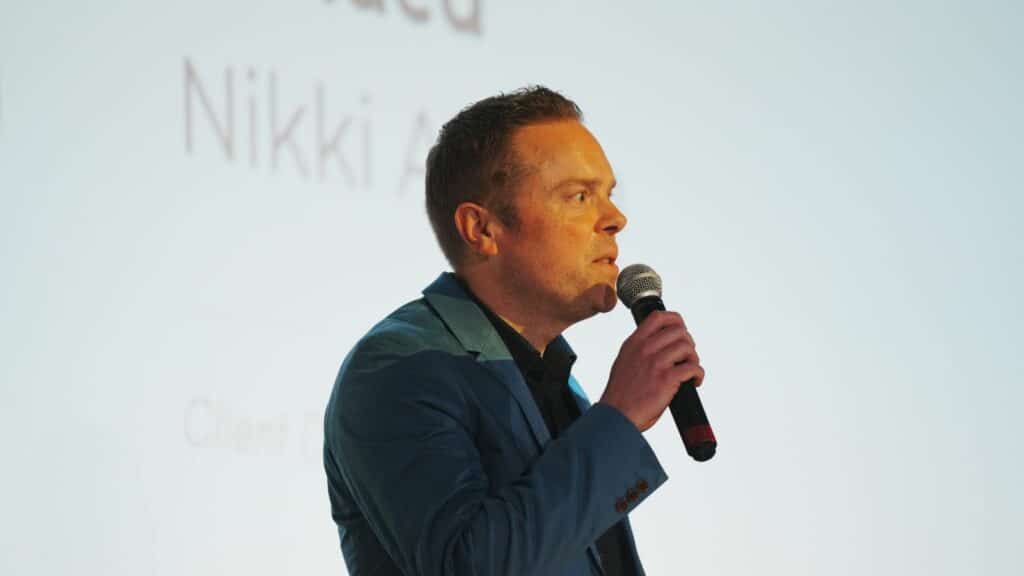
First up was Marija Cepulyte, Client Partner at Pinterest, who gave an overview of how she uses the visual discovery platform as a source of inspiration.
Pinterest is currently experiencing “the greatest growth in its history,” and now has 518 million monthly active users worldwide, of which 17 million are in the UK. Most of that growth is driven by Gen Z, she explained, making it one of the few platforms where users are declining in age despite initially being driven by millennials.
The latest innovations rolling out on the platform this year include a reinvestment in personalization and a focus on guided search that combines ChatGPT's AI expertise to inspire users. Users can use filters on the website to narrow their search for beauty ideas by hair or skin tone, with AI being used in a “human-centric way.”
A big breakthrough this year is the body type range filter: building with inclusion in mind will drive engagement, and because people “like to be seen and represented,” this will have a “positive impact on engagement.”
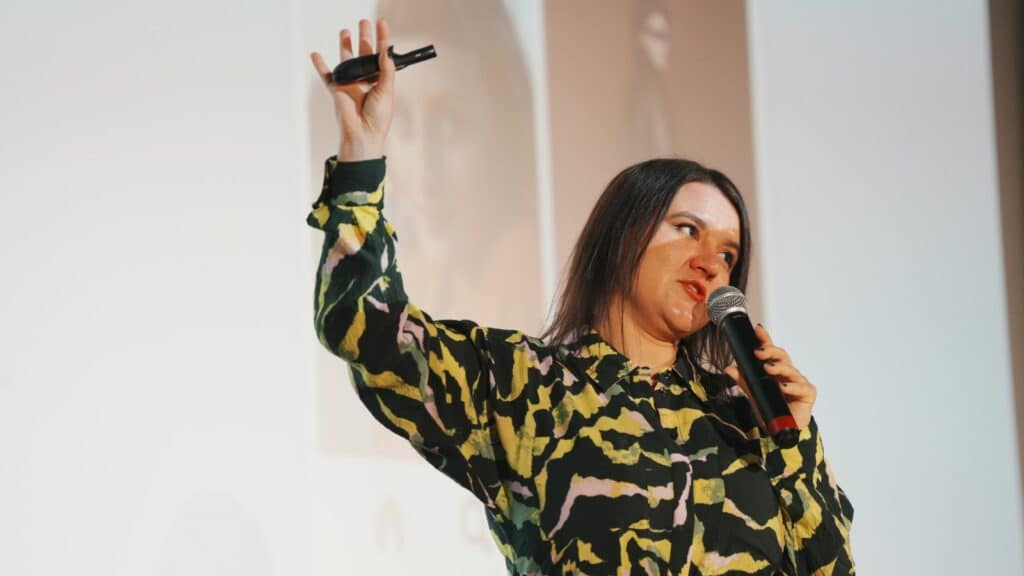
Pinterest launched in response to advertiser requests for a takeover solution for larger launches, and also introduced “Premier Spotlight,” which allows advertisers to maximise the reach, awareness and relevance of their campaigns on the platform through video ads in places like search page and premium placements.
Pinterest also plans to “focus on saving and curation” by introducing “automatic” organization tools, board video sharing, and collages.
By improving shoppability, introducing dynamic creative, tapping into the interests of “pinners” and increasing the “shoppability” of ads through product tagging, there will be more opportunities for brands and advertisers to more effectively promote their campaigns through Pinterest, she said.
However, she warned that with the cookie phase-out, brands and advertisers need to be extremely careful and ensure they attribute digital products correctly, or they could miss out on opportunities.
Next up on stage was Naomi Chapman, Senior Client Partner at Spotify, who explained how the global audio platform is seeing more and more people turn to Spotify and how its homepage is constantly evolving, “giving people more reasons to use the app and making it easier for advertisers to reach their audience.”
Trending topics and cultural moments by Sophie Ellis-Bextor Murder on the dance floor The hit was recently revived and featured in a TV series, which took it to the top of the charts. Saltburn.
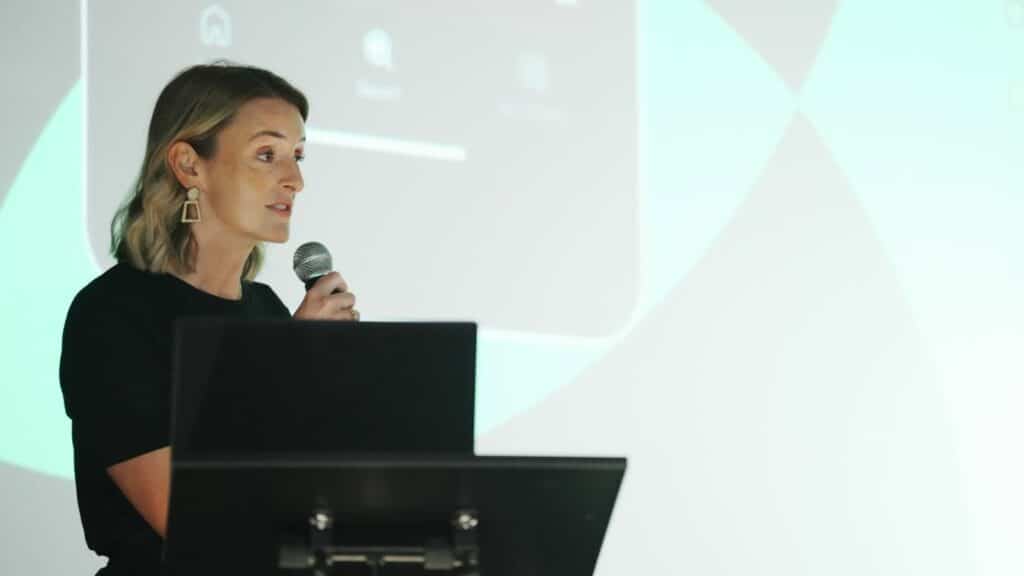
Not surprisingly, with the Euro soccer season now in full swing and the Paris Olympics just around the corner, the current trend is “Summer of Sports.” Looking back at Euro 2020, she noted a 707% increase in soccer-related playlists, highlighting the importance of researching potential trends.
But the biggest trend for Spotify is that “the future of audio is video” and podcasts have begun to embrace video. With 100 million podcast listeners worldwide, it's “an exciting time for podcasts” and 71% of podcast consumption comes from premium listeners, making it a “huge focus” for Spotify.
From an advertising perspective, this is a “huge opportunity” because podcast listeners are “highly engaged” and more likely to research or purchase if a brand is mentioned in a show. This can have a bigger impact if it's done via a podcast host that audiences resonate with and trust.
The introduction of visual advertising also creates new storytelling opportunities, especially in today's world of short attention spans. The key to successful advertising is being unobtrusive to the audience, and AI is “a big part of that.”
Following the talk, participants were introduced to the benefits of RED January, an initiative whose mission is to support exercise and mental health projects. Founder Hannah Beecham MBE ensured there was space throughout the event for participants to get up from time to time and take some much-needed “exercise breaks”.
Next up was Chris Tracy, head of vertical sales at X. He began his talk by acknowledging the “tumultuous transition” that followed the company's move to X after Twitter's acquisition two years ago. He said the company's goal now is to become “the app with everything,” with plans to give users and advertisers more control than “ever before.”
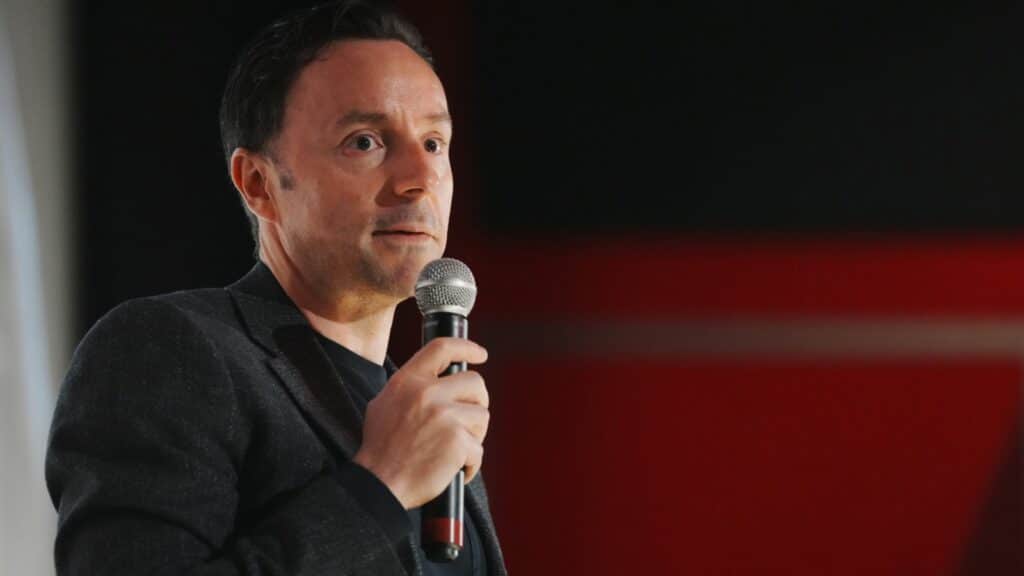
Looking back on the past 12 months since the acquisition, he said it's been a “truly transformative” period, particularly with the introduction of X's AI assistant Grok, but a lot remains the same, with around 500 million users still using the platform each month, with that figure being around 21 million in the UK.
Users share 9.4 billion “posts,” formerly known as “tweets,” every month, and this number only grows when something trends, like election chatter or Taylor Swift's new concert.
In 2023, the most talked about topic on the platform was sports with 1.4 trillion users, followed by gaming with 885 billion users, but politics, entertainment and music were all major hot topics as well.
He also outlined how X is trying to give users more control over their experience, including a “For You” tab that uses AI and machine learning to personalize their feed for users.
He said the platforms are investing heavily in this area, whether by capturing trending moments, partnering with content on their platforms or adopting vertical video ads, in the hopes of making it “easier for advertisers to connect” and giving them “more control over where their ads appear” to improve brand safety and trust.
He said X's “superpower” is its connection to culture and breaking news, and similar to Spotify, video is “the future of text” and the platform plans to release a TV app and introduce video calling. As part of a constellation of companies that includes Tesla, he described X as a “game changer” as it is trained with AI via Gemini and ChatGPT, with data from 9 billion posts feeding into training the platform's AI models and Grok assistant.
Using AI to serve more relevant ads can “drive more efficient results” and improve results on the platform.
Kate Harris, regional director at NABS, took to the stage to give further details on the important work NABS does and how the charity supports people working in the advertising and media industries, followed by Zoe Harkness, head of training at Thinkbox, who shared her insights into the world of TV and emerging trends.
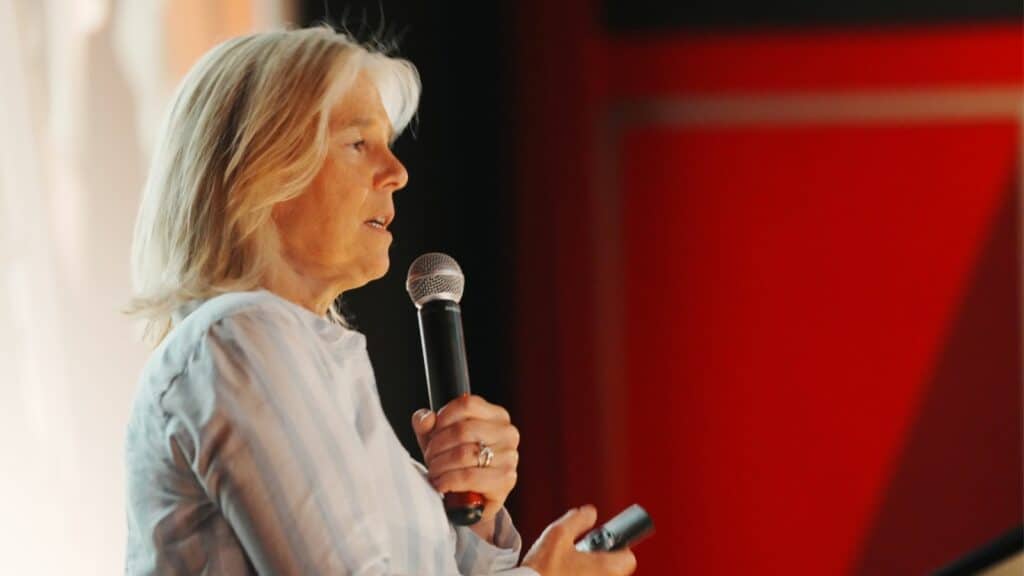
In terms of viewing, commercial TV viewing remained stable last year, but BVOD increased by 23% and there was a notable “viewing shift from linear to VOD.”
Looking back over the past nine years, she said, SVOD, VOD and TikTok have accounted for a significant share of growth, leading to a “fragmentation of video consumption.” Despite this, SVOD subscriber numbers “diminished slightly last year,” she explained, because viewers subscribe to binge shows and then unsubscribe throughout the year.
Currently, TV accounts for 83.5% of AV ad time, and with streamers taking up video advertising this could change again, it will be interesting to see how these figures change in 2024, she explained.
To summarise, her three key takeaways from the plan are that the TV landscape is growing and budgets should follow, VOD will become increasingly important for advertisers to maximise their reach, and TV should still be at the heart of video plans.
In a recent Thinkbox research excerpt, the key finding for TV is that context matters, and getting it right “can boost ad recall by 6.3 times.” There are six variables that matter: device used (TV has the highest ad recall), other people, screen size, mood, satisfaction, and location.
The final talk of the day was by Rob Smallwood, head of industry and media agency at Meta. Speaking about future trends, he said that AI will inevitably “disrupt marketing” and be the “red thread shaping the industry.”
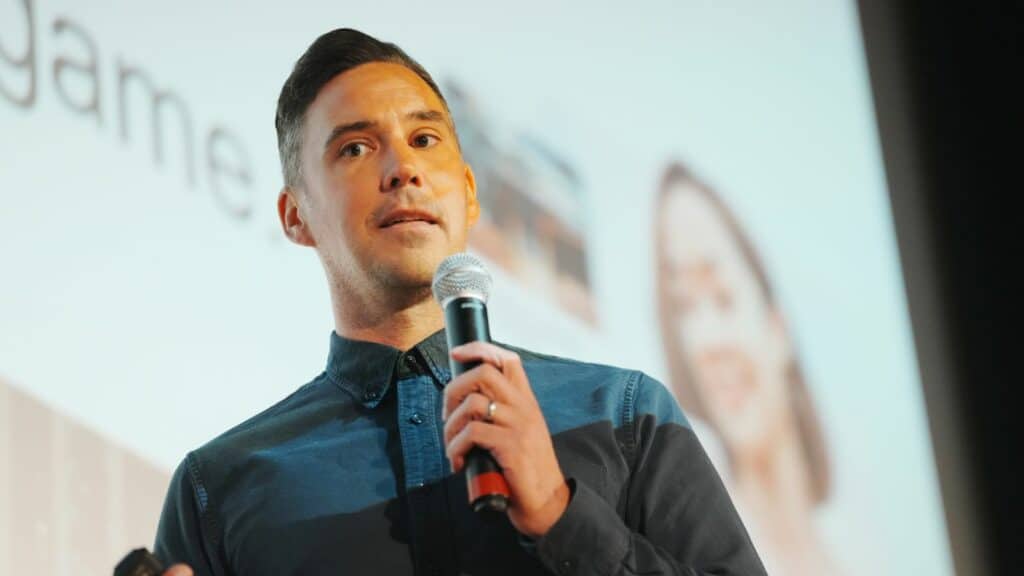
He explained that while AI is already transforming many industries, it's “ironical” that marketing is lagging behind other industries in how the technology is currently being used.
Over the past decade, Meta has already “invested heavily” in AI across its platforms, from Messenger to improving ad relevance, and it sees an even bigger impact on marketing and media in the future.
While roughly 50% of the content users see on Instagram is AI-recommended, he stressed that there is no “one size fits all” solution across Meta's platforms and AI should be seen as a tool to help marketers. Diving into some of Meta's key tools and trends, he said end-to-end automation will empower marketers to make decisions based on real-time learnings to optimize campaign performance.
Meta's Advantage+ Creative tool leverages AI to help marketers automatically optimize and deliver creative, including auto-optimizing copy and visuals. Advances in AI also enable marketers to more easily question assumptions by testing specific audiences against broader audiences.
“Don't just stay where you are, run at least 15 experiments to get a solid measurement,” he explained.
The event concluded with a panel session featuring all the speakers, moderated by Prolific North editor Alexandra Balazs. Panel members were asked about the big changes affecting their respective platforms. Pinterest's Marija Cepulyte said that in the past two quarters, a “significant portion” of the platform's users has shifted to Gen Z, changing the way they consume content.
Thinkbox's Zoe Harkness explained that there hasn't been a big change in consumer behavior when it comes to TV, and Spotify's Naomi Chapman, reflecting on her previous talk, said the big change is the visual element of the platform, more users are consuming media through Spotify, and the growth of podcasts has been “notable.”
Similarly, X's Chris Treacy said that as viewers are watching more videos on the platform, X is looking to double down on this with new changes planned in the near future to encourage this.
Video is a big theme, and Meta's Rob Smallwood agreed, explaining the importance of Instagram Reels, where video is placed, capturing the Gen Z audience, and getting more users to spend more time on the app. He said the creator economy is expected to “accelerate,” allowing more people to connect with consumers through trusted channels, and Reels is the perfect place for that.
As for the advice leaders have to offer to advertisers and brands in the room, Pinterest's Marija Cepulyte explained that testing is “key,” and that it's important to seek out advice and insights about your industry, apply and test best practices, and understand who you're trying to reach and why.
“The funnel is dead, but the funnel still exists even if no one is following you. Ideally test a multi-funnel approach, test keywords, interests and individual targeting.”
Thinkbox's Zoe Harkness agreed, adding that testing can be done locally through TV, explaining that TV is “a lot more affordable than you'd think” when it comes to advertising because there's still a perception that it costs a lot of money.
X's Chris Treacy says you should keep in mind what your campaign goals are: talk to agencies, look at case studies and “don't just jump in.”
Meta's Rob Smallwood suggested broadening the scope beyond specific audiences and “going wide,” and advertisers need to rely on the inherent nature of social, as creative will be “disproportionately important because of AI.”
Finally, when asked what they're excited about for the future, the panel mentioned Pinterest's inclusive filters as a “great example of using AI for good,” the rise of video podcasts from the perspective of fans and advertisers, and a ton of original, ambitious content to come.