

Scroll known as PHerc. 1667, or Scroll 4, remained sealed since the eruption of Mount Vesuvius in 79 AD. The papyrus had been carbonized by the disaster, making it too brittle to spread by hand without destroying it.
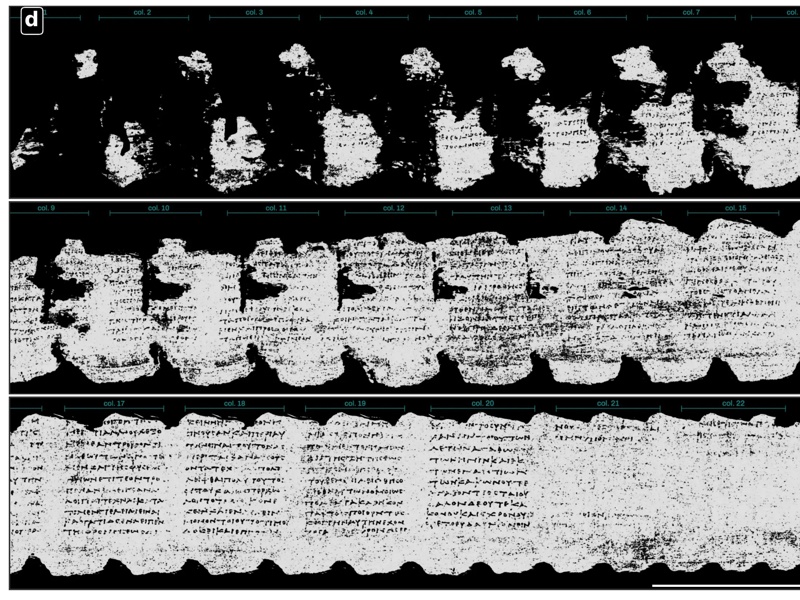
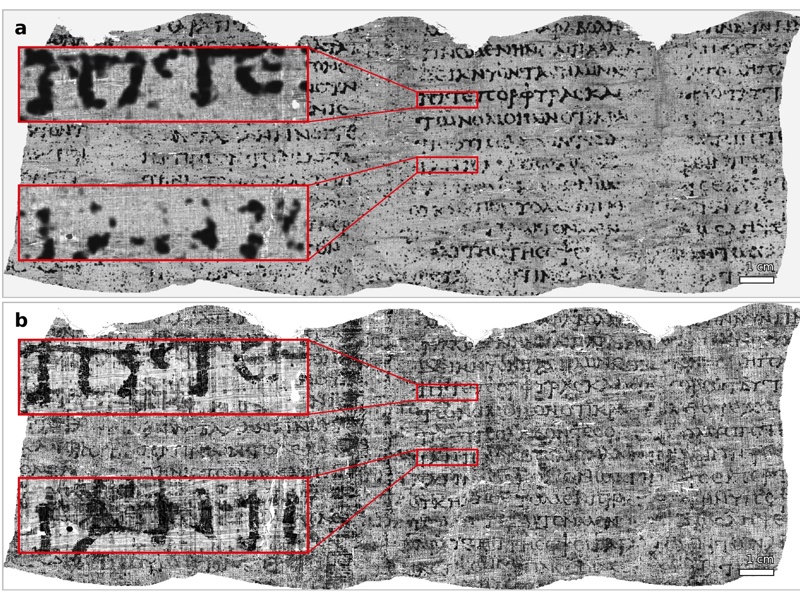
For the first time, researchers have virtually opened the scroll and read it from cover to cover, according to the Vesuvius Challenge. The researchers used high-resolution X-ray scans, digital reconstruction, and machine learning to detect traces of ancient ink hidden within the carbonized papyrus.
The scroll contains approximately 1.4 meters of papyrus and approximately 22 columns of ancient Greek letters. The recovered document is thought to be a philosophical treatise on ethics, and there is evidence to suggest that it belongs to the Stoic tradition.
The text touches on human nature, impulses, and moral progress. The last preserved column mentions Aristocleon, the nephew and pupil of the Stoic philosopher Chrysippus, and has helped scholars place the work in a Stoic context and date it to the second century BC.
The scans were carried out using high-resolution phase-contrast X-ray microtomography at the European Synchrotron Radiation Facility in Grenoble, in cooperation with the Naples National Library Vittorio Emanuele III, which preserves the Herculaneum Papyrus.
The project also reported progress on two other scrolls. At PHerc. At Paris 4, researchers were able to use high-resolution image processing to make the ink inside the scroll directly visible. At PHerc. 139, they identified the title and authorship and attributed the work to Philodemus. about gods8 volumes.
Hundreds of Herculaneum scrolls remain sealed. Scientists say the method could be applied to many more ancient texts that have not been read for about 2,000 years.
Earlier, Kazinforum news agency reported that artificial intelligence was used for the first time in Pompeii to reconstruct the last hours of people who died in the eruption of Mount Vesuvius in 79 AD.


