Follow us on Instagram, TikTok, and WhatsApp for the latest stories and breaking news.
In the past, finding AI-generated images was as easy as finding the number of fingers on each hand. When it came to video, the visuals were hilariously distorted.
But those days are over.
AI images and videos are clearer, more realistic, and in some cases indistinguishable From the real thing. As a result, many people are accidentally fooled by fake celebrity endorsements, AI-generated “news,” and even cute but completely fabricated travel videos.
So… how do you protect yourself now?
Here are some simple checks you can perform to determine whether a video or photo is real or AI.
1. Always check the source
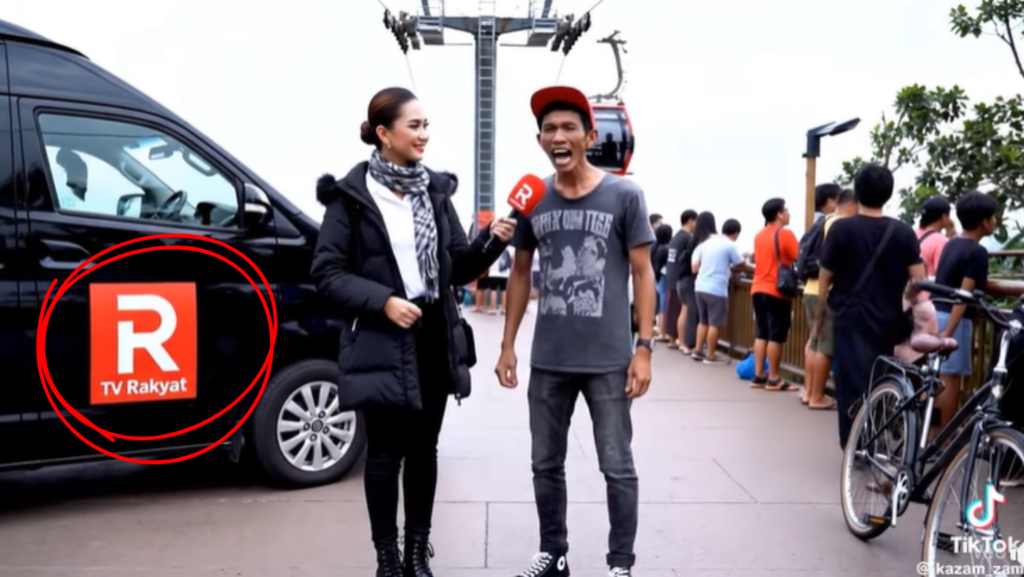
TV Rakyat is not real media in Malaysia.
Image via Facebook
AI videos can look very realistic, so check where the video or photo is coming from instead of inspecting the visuals first.
Ask yourself:
- Was it shared by a genuine verified account of a brand, celebrity, or company?
- For the latest government information, please visit actual Official page of the Ministry of Foreign Affairs?
- When it comes to news, does it come from a reputable national station or some random channel you’ve never heard of?
- Did it come from an unfamiliar TikTok, Facebook, or Instagram page with no clear identity?
- When you visit your account’s main page, do the posts look consistent and legitimate, or are they just a mix of random viral videos?
If the source is questionable or unfamiliar, proceed with caution.
2. Read the comments
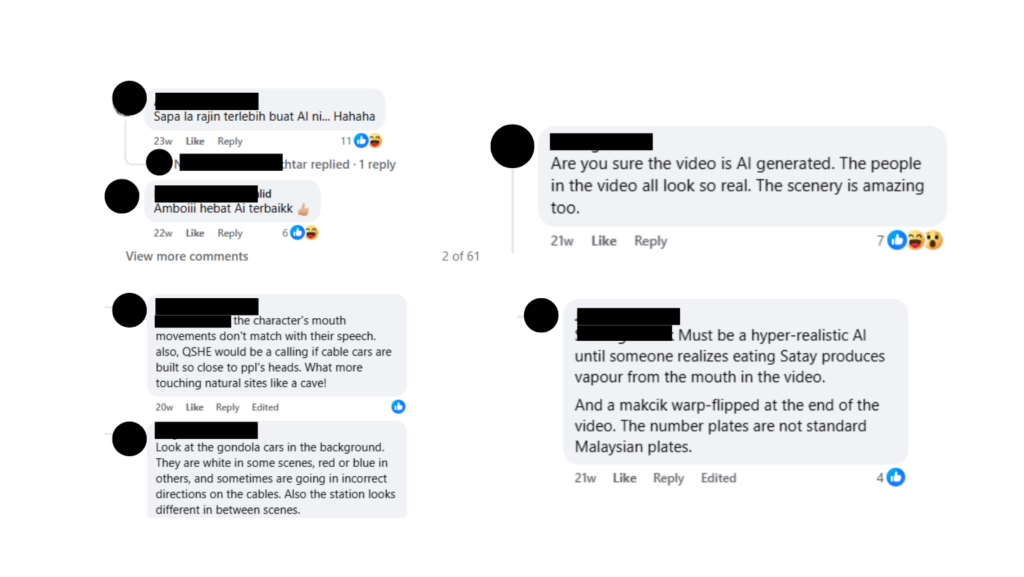
One of the quickest ways to confirm something is to read the comments. People online love to point out AI mistakes.
In many cases, someone has already done the following:
- I recognized it as AI
- original source found
- I explained what’s wrong with the video.
It’s not foolproof, but it’s a good starting point for thinking and analyzing whether what you’re seeing is actually real.
3. Look for unrealistic contexts

On October 7, 2025, former Malaysian Director-General of Health Dr. Noor Hisham Abdullah shared a fraudulent AI-generated post warning others that his likeness was being used to promote counterfeit products.
Image via: Noor Hisham Abdullah (Facebook)
Sometimes videos and photos seem legitimate until you ask yourself, “Does this make sense?”
for example:
- A huge theme park that magically opens overnight
- Celebrities and public figures endorse products that are completely off base.
- News reports with no breaking news or reporting from other national news outlets
- A tourist destination that no one has talked about before
If you look at a post and suddenly feel a strong emotion, such as excitement, anger, or fear, take a break. Extreme emotions are a common red flag of misinformation.
4. Look at the details again
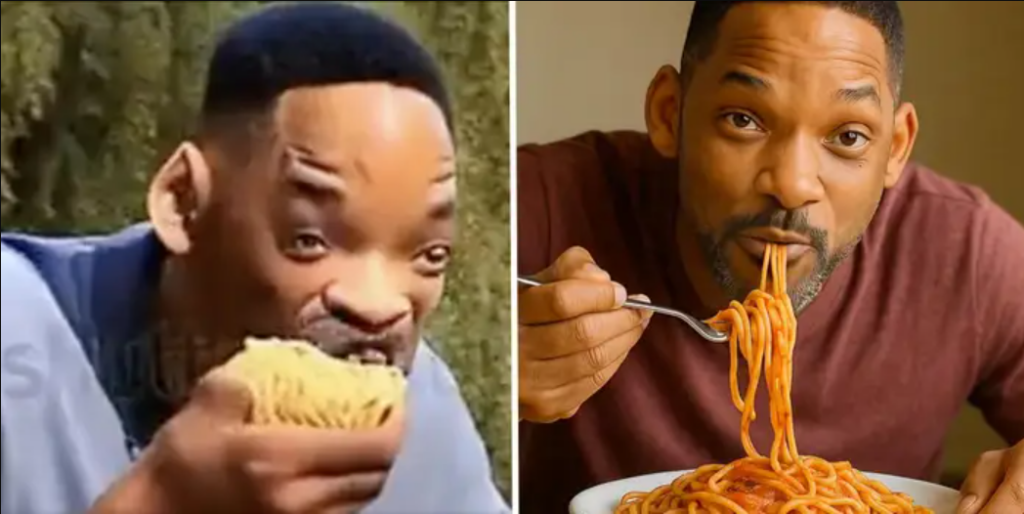
AI-generated videos of Will Smith eating spaghetti in 2023 (left) and 2025 (right).
Image via Business InsiderImage via Business Insider
AI tools are much better at correcting hands, so they focus on deeper cues.
unnatural lighting
- A shadow that doesn’t suit the environment
- Objects shine strangely or surfaces are too smooth
strange movement
- The mouth and eyes move slightly out of alignment.
- people’s necks rotate too smoothly
texture problem
- Too perfect “painted” hair
- Water, fire, and smoke loop unnaturally
These details are small, but once you learn to tell them apart, you can’t ignore them.
5. Compare with actual news outlets and official latest information
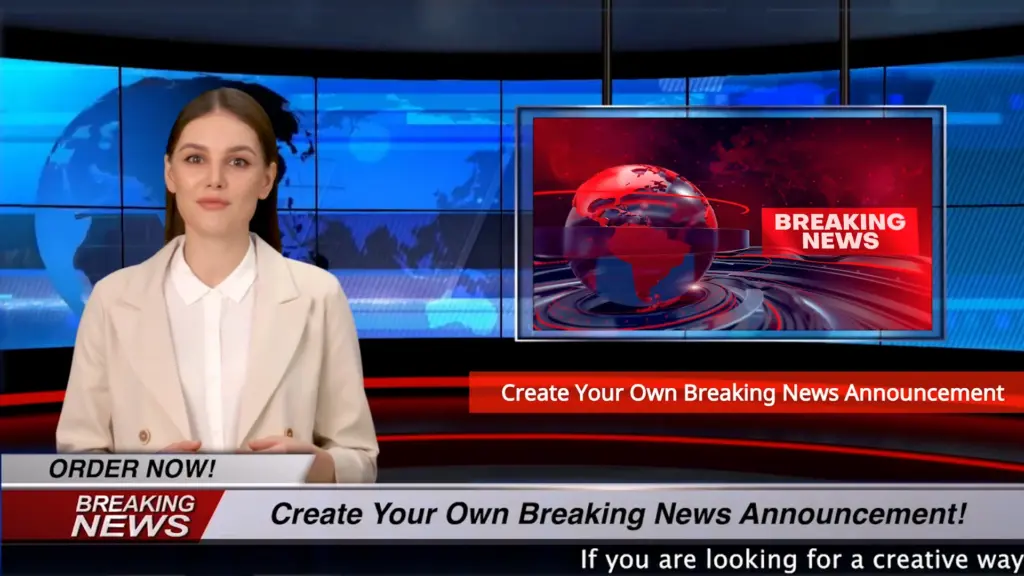
You can create breaking news videos using AI.
Image via Fiverr
If the video claims something big, such as a natural disaster, the start or end of a war, the announcement of a new building or tourist attraction, or a celebrity, you should receive the real news within minutes.
Search for keywords like these in Google Search:
- breaking news [topic]
- [Place] announcement
- [Celebrity] statement
To increase credibility, add the name of a reputable news site or search directly on their website.
Be skeptical if a reliable news source doesn’t cover the news you see.
6. If you’re asked to buy, click, or sign up… double-check everything
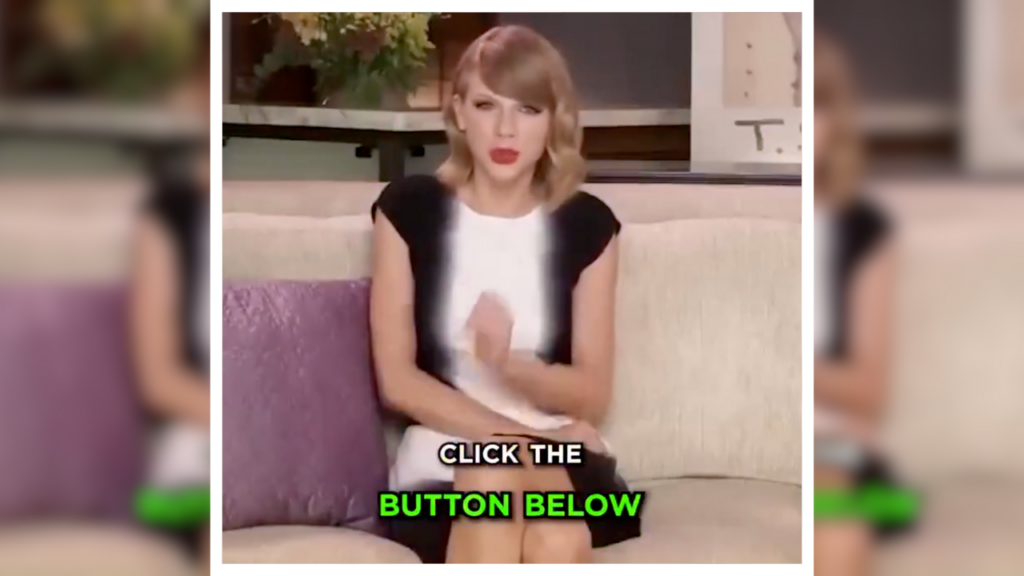
Taylor Swift is one of the most used celebrities by scammers who use AI to create fake product recommendations.
Image via McAfee
Fraudsters use AI to:
- fake celebrity endorsement
- Create a fake product demo
- imitate someone’s voice
- Recreate a “live” event
If the video prompts you to:
- buy something in a hurry
- Sign up for limited time promotions
- “Claim” something by clicking on a link
Stop. Please double check the URL and source.
7. Remember that not all AI videos are scams
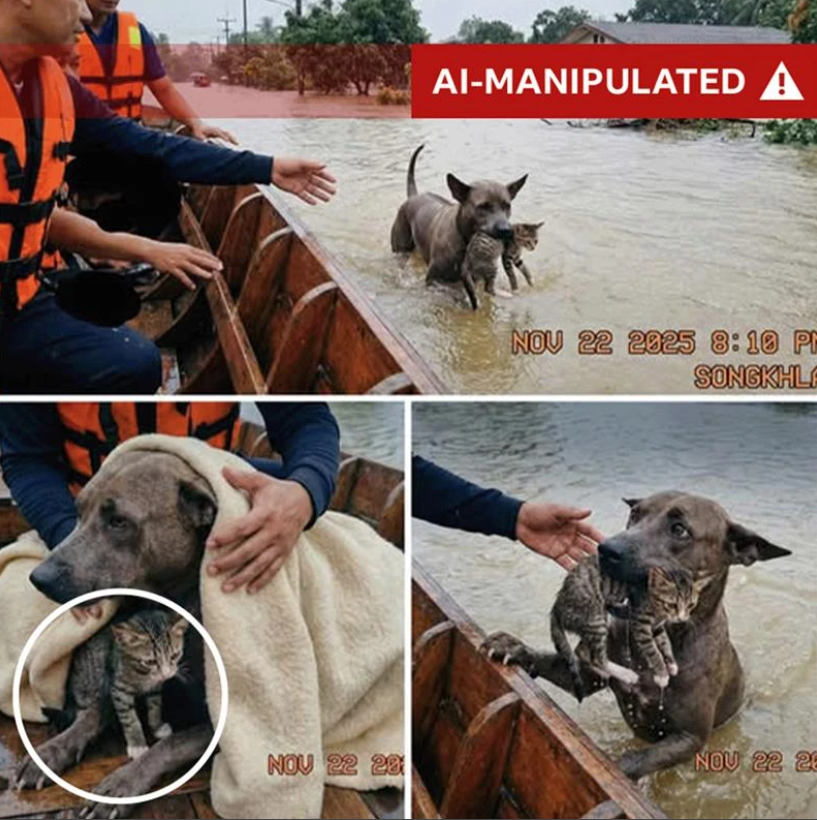
Dr Peter Bentley, a computer scientist at University College London, pointed to discrepancies in the lighting of the cat’s head and its position under the towel, suggesting that the photo of the cat may have been added later and integrated with the AI.
Image via BBC
Many AI videos are harmless. It could be a cute cat, a surreal fantasy landscape, a compilation of fan-made movies, or any other type of entertainment.
The problem is when AI content is presented as real news, real events, or real statements.
When in doubt, check before sharing, especially if the content is likely to cause panic, anger, or misinformation.
If you don’t know, ask someone who knows technology
AI can help with learning, improving efficiency, and even assisting with daily tasks. But they can also mislead, confuse, and defraud people, especially if they are unprepared.
Real AI? Fact-check before you act. Everyone plays a role.
Click here for more information.