Aeon has filed a patent in Australia for a system designed to block harmful AI-generated videos before they are viewed. The filing expands the Melbourne company’s intellectual property efforts in video authentication and safety.
A patent application titled System and method for enhancing content safety during virtual video assemblycenters around the process of attaching safety rules to individual video elements and checking those rules as the video is assembled, rather than after the clip is uploaded or viewed.
This approach differs from the moderation model used by many online platforms. In a moderation model, content is typically reviewed after it’s published and removed if it violates rules or laws. Ion’s system is intended to stop assembling video altogether if a component fails any active policy checks.
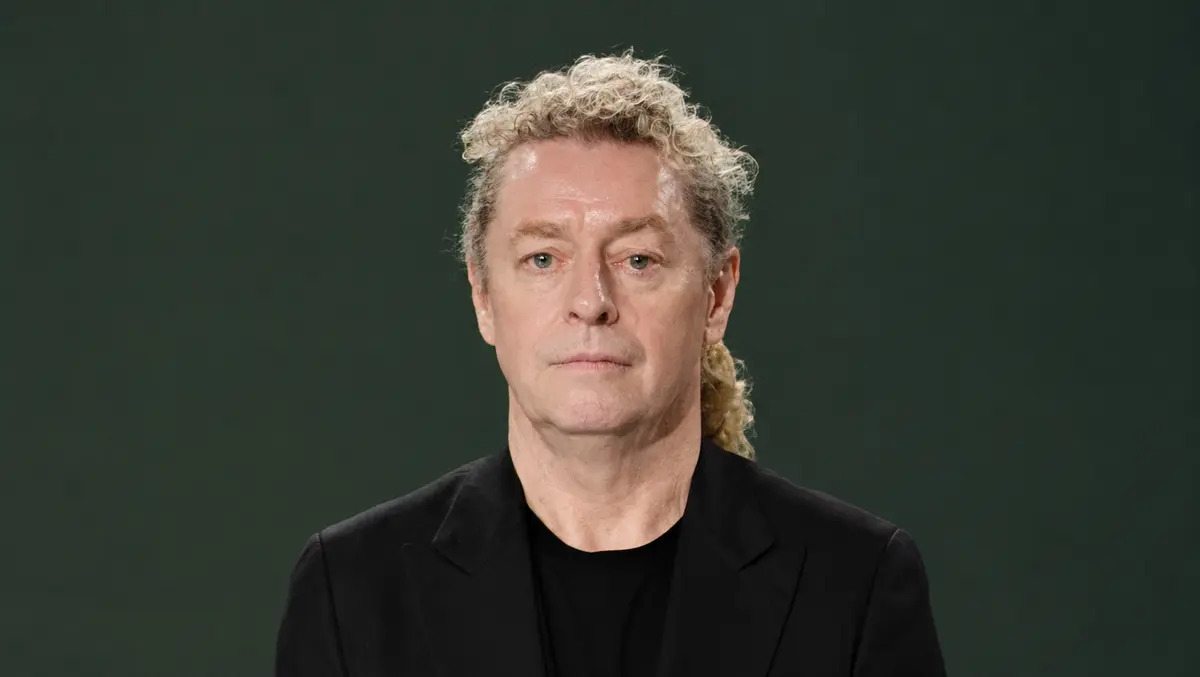
Finbarr O’Hanlon, Aeon’s chief innovation officer and an inventor named in the filing, said the patent expands on the company’s previous work on VideoTrust.
“Our previous patent provided a way to prove that a video is real. This new patent is less about whether the content is real and more about whether the content should be assembled and displayed in the first place.
“Because we classify safety at the level of individual samples and enforce it at the moment of assembly, the video simply cannot be resolved if a sample violates an active policy.
“Unsafe content will never be served, rather than being flagged after a viewer has already seen it. And rules can be set by rights holders, platforms, and jurisdictions all at once, and the strictest combination will always prevail, allowing you to safely assemble the same source content under completely different laws without duplicating a single file.
“In a world where AI agents assemble videos on the fly, security can no longer be a check on the finished file. Safety must exist at the moment of assembly, and that’s what this patent protects.”
Aeon is listed on the Australian Stock Exchange under the code IOV. The company argues that this problem is becoming more pressing as generative AI tools make it easier to create composite footage and automated systems begin to dynamically edit videos for viewers.
Source policy
The proposed system applies classification and enforcement at what Ion calls the binary sample level. In practice, rules are associated with the smallest underlying parts of the video used in the assembly, and the system checks those parts against valid requirements before the final output is displayed.
Rules can be set simultaneously by multiple parties, including rights holders, platforms, and local governments. If these standards differ, the most stringent rules apply during assembly.
This model has the potential to appeal to companies and regulators that deal with different legal frameworks across markets, especially when one set of source material needs to be distributed under different content standards. Ion says the same source content can be assembled in different ways without creating duplicate files for each region.
O’Hanlon said the company views the invention as a separate technology category as lawmakers and media organizations respond to deepfakes, child safety concerns and online misinformation.
“Aeon intends to position itself as directly relevant to platforms, broadcasters, studios and regulators facing the challenges of deepfakes, child safety and disinformation in the next decade.”
broader push
The filing follows another patent application by Aeon aimed at determining whether a video is real or generated by AI. Together, the two efforts represent a broader strategy that spans both video provenance and content management.
The first task focuses on whether the footage is real or not. The second focuses on whether to allow the material to be assembled and displayed in the first place, even if the source components are available within the system.
For platforms, this difference is important. Much of today’s moderation infrastructure is built around finished files that can be scanned, flagged, and deleted. Ion argues that this model could become less effective if video is increasingly produced or assembled on demand, leaving little or no fixed final file to inspect before display.
This challenge is likely to grow even more as AI systems move beyond creating static clips to creating personalized and responsive media in real time. In that environment, content controls need to work during creation, not just after publishing.
O’Hanlon said this change was the main driver of the invention.
“But the systems built to keep videos safe are designed for a vanishing world where all videos are finished files that can be checked before they are shown.
“As AI agents increasingly assemble videos from fragments with video on demand, there is often no complete file to check at the time you view it.
“Ion’s patent reimagines content safety for that world. By binding a safety classification to every binary sample and enforcing it at the very moment the video is assembled, unsafe content is structurally prevented from resolving rather than being detected after the damage has occurred. In short, this is prevention, not detection.”
He added that new hazards, classifiers, and regulatory criteria can be added through adapters without changing the core media pipeline.