
If you've ever used an AI video generator, you know how frustrating it can be when what you prompt and what it generates is completely different. Editing these videos can be frustrating, especially when you create something impressive but only need to make one adjustment, like removing a person or changing the lighting.
Adobe is trying to solve it.
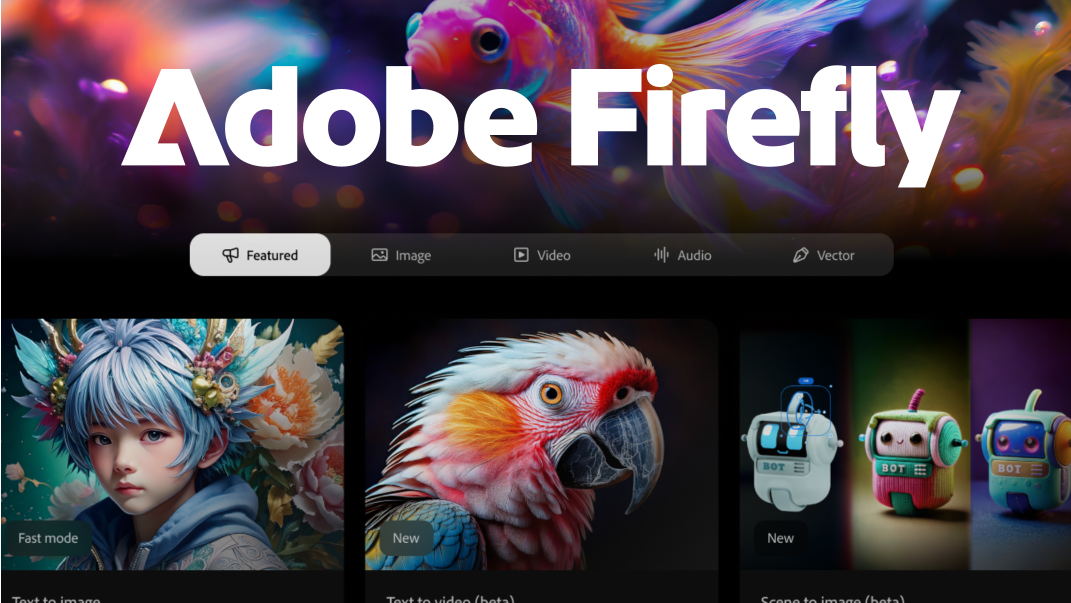
Now, Adobe is rolling out a series of video-focused features for Firefly designed to make AI video editing feel more like real editing. It is iterative, controlled, and integrated into a broader workflow. Updates include prompt-based video editing, camera motion reference, browser-based Firefly video editor, and built-in upscaling with partner models.
Here's what's new

You can now prompt users to edit their videos. Instead of regenerating the entire clip every time you need to make a change, Firefly now lets you edit existing AI-generated videos using text prompts. This means you'll be able to do things like:
- remove or replace something or person
- change background
- Adjust lighting, contrast, and atmosphere
- Reframe or zoom without starting over
This is a big change. Most AI video tools still treat every change as a complete regeneration, making fine-tuning nearly impossible. Adobe's approach is similar to what creators are already thinking: generate first, then refine.
Camera motion reference keeps shots consistent

Firefly's video model now supports camera motion references, solving another common problem in AI video: motion consistency.
You can upload a starting frame image (scene) and a reference video showing the desired camera movements. From there, Firefly applies that camera movement (pan, dolly, zoom, tilt) to the generated clip, keeping the subject and framing fixed.
This makes it much easier to create cinematic shots that don't feel jittery or random, especially for B-roll, transitions, or short videos.
Built-in video upscaling to 4K

Adobe is also integrating Topaz Astra, a partner AI model focused on video enhancement and upscaling. With this integration, users can now enhance low-resolution or older footage, upscale clips to 1080p or 4K, and queue up multiple upscales while continuing to work.
This is aimed at creators who already have footage (not just AI-generated clips) and want a quick way to improve quality without leaving Adobe's ecosystem.
New Firefly video editor (public beta)

Firefly also features a browser-based video editor, currently available in public beta.
It supports two workflows: timeline editing with multitrack control of video and audio, and text-based editing to work with transcripts and edit video (ideal for interviews, explainers, or topical content).
This editor allows users to combine their footage with Firefly-generated video, as well as music and audio.
conclusion
Adobe's long-term vision is clear. AI should not replace human editors, but work in collaboration with them. With a focus on prompt-based editing, camera consistency, and practical tools like upscaling and transcript editing, Adobe positions Firefly as a creative hub rather than a novelty generator.
To encourage experimentation, Adobe is also offering a limited-time unlimited generation promotion (through January 15th) on certain paid Firefly plans, including Pro, Premium, and High Credit tiers.
This promotion includes Firefly image models, Firefly video models, and select partner image models. Unfortunately, this doesn't apply to free users, but it does reduce friction for creators who want to seriously test Firefly's new video tools without worrying about credits.
More about Tom's guide
to follow Tom's Guide to Google News and Add us as a preferred source Get the latest news, analysis, and reviews in your feed.


back to laptop


