

by Zahid Lone
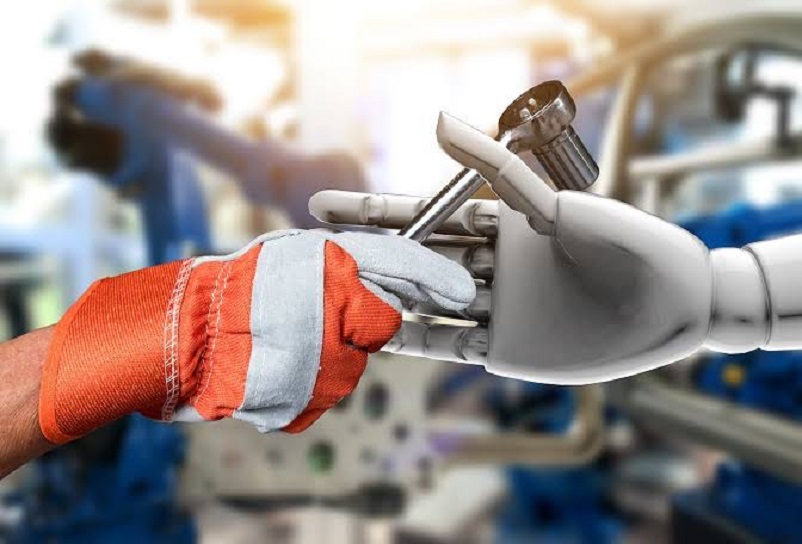
In a rapidly evolving technology landscape, the advent of artificial intelligence (AI) has evoked both awe and anxiety. While AI has been hailed as having the potential to revolutionize industry and streamline processes, there are growing concerns that it could pose a serious threat to job creation. This sentiment has sparked intense debate among experts and policy makers around the world.
Proponents of AI argue that it has the ability to improve productivity, efficiency, and innovation in a variety of fields. From automated manufacturing processes to intelligent customer service systems, AI applications promise to streamline operations and open new avenues of growth. Advocates often emphasize the potential for AI to create new job opportunities, especially in specialized fields such as data science, machine learning, and robotics.
But for all the optimism, skeptics are raising legitimate concerns about the dark implications of widespread AI adoption. One of the most pressing concerns revolves around the replacement of the human workforce by intelligent machines. As AI systems become increasingly sophisticated, there is a pressing threat that they could make certain jobs obsolete, leading to increased unemployment and economic disruption. Manufacturing is a painful example of this phenomenon. The rise of automated assembly lines and robotics is reducing the role of traditional manufacturing and displacing many workers. Similar trends are being observed in a variety of sectors, including retail, transportation, and customer service, where AI-powered solutions are increasingly replacing human workers.
Additionally, the integration of AI into white-collar professions has raised concerns about the future of knowledge-based jobs. Advanced algorithms and machine learning are increasingly able to perform tasks once monopolized by human intelligence, such as data analysis, legal research, and even creative endeavors such as content generation. This change poses significant challenges for workers whose livelihoods depend on cognitive skills and expertise. Critics argue that unless the potential socio-economic impacts of AI are proactively addressed, the gap between technological advances and job opportunities could widen, exacerbating inequality and social unrest. I'm warning you that there is. As AI continues to reshape the labor market, policymakers face the difficult challenge of how to strike the delicate balance between innovation and job retention.
In response to these challenges, there are growing calls for comprehensive strategies to reduce the negative impact of AI on employment. Investing in education and training is paramount to preparing individuals for an AI-driven economy. This includes prioritizing lifelong learning programs that develop technical skills such as data science and programming, as well as developing critical thinking, adaptability, and creativity. By prioritizing education, societies can ensure their workforce remains agile and equipped to navigate the evolving work landscape.
Reskilling and upskilling efforts are essential to enable workers to transition into new roles that complement AI technology. Governments and businesses must invest in programs tailored to diverse industries and demographics to ensure inclusivity and ensure that automation leaves no one behind. Empowering individuals through reskilling and upskilling opportunities allows them to adapt to changing job requirements and seize new employment opportunities.
Ethical AI deployment and robust social safety nets are essential elements in shaping a future where AI augments human capabilities while preventing negative impacts on employment. Establishing ethical guidelines and regulatory frameworks will ensure responsible AI adoption and reduce unintended consequences such as bias and discrimination. The introduction of social safety nets, such as universal basic income and health insurance, can support workers facing job loss, promote economic stability and facilitate retraining for alternative employment opportunities. Adopting these strategies will foster a culture of innovation, inclusivity and social responsibility, resulting in a more resilient and fair society for all.
As the debate rages on about the impact of AI on jobs, one thing is clear. There is a need for a proactive and comprehensive approach to harnessing the potential of this innovative technology. AI undoubtedly promises unparalleled progress, but its impact on the future of work must be carefully considered to ensure a sustainable and fair society in the age of automation. The emergence of artificial intelligence (AI) thus poses both immense opportunities and significant challenges for job creation. While AI has the potential to increase productivity and innovation in a variety of sectors, there are legitimate concerns about its impact on job losses and economic inequality. Proactive measures such as investments in education, reskilling efforts, ethical AI adoption, and strong social safety nets are essential to navigating this complex landscape. By adopting these strategies, societies can harness the transformative power of AI while ensuring a sustainable and inclusive future for all in the age of automation.
- The author is a PhD student at the University of Kashmir.
Click this link to join our WhatsApp group: Join now
|
Be part of quality journalism. |
|
Producing quality journalism takes a lot of time, money and effort – and despite all the challenges, we keep doing it. Our reporters and editors work overtime in Kashmir and beyond to report on what you care about, break news that matters, and expose injustices that can change lives. Masu. More people are reading Kashmir Observer now than ever before, but only a handful are paying for it as advertising revenues are rapidly declining. |
| I thought of it, but it was a lucky day. |
Click here for details


