The idea that AI technology must be regulated is a common sentiment. Most governments, AI product developers and even ordinary users of his AI products agree with this. Unfortunately, the best way to regulate this rapidly growing field is an unsolved puzzle.
Left unchecked, AI technology can adversely affect our way of life and threaten our existence. But how can government navigate the labyrinth of challenges that come with this rapidly evolving field?
1. Data privacy and protection regulations

One of the main concerns about AI technology is data privacy and security. Artificial intelligence systems are machines that require large amounts of data. You need data to operate, you need more data to be efficient, you need more data to improve. This is not an issue, but how this data is obtained, what it is, how it is processed and stored is one of the biggest issues surrounding AI regulation.
Considering this, the logical course to take is to introduce strict data privacy regulations governing the collection, storage and processing of data, and the rights of individuals whose data is used to access and control their data. to stipulate. Questions that may be addressed by these regulations include:
- What kind of data can be collected?
- Should some personal data be considered taboo in AI?
- How should AI companies handle sensitive personal data such as health records and biometric information?
- Should AI companies be required to implement mechanisms that allow individuals to easily request deletion or correction of their personal data?
- What are the consequences for AI companies that fail to comply with data privacy regulations? How should compliance be monitored and how should enforcement be ensured?
- Perhaps most importantly, what standards should be implemented to ensure the safety of sensitive information held by AI companies?
These questions and a few others formed the core of why ChatGPT was temporarily banned in Italy. Unless these concerns are addressed, the artificial intelligence sector will become a data privacy wilderness, and Italy’s ban could serve as a template for bans by other countries around the world.
2. Development of an ethical AI framework

AI companies frequently brag about their commitment to ethical guidelines in developing AI systems. On paper, at least, they are all advocates for responsible AI development. Google executives have emphasized in the media how seriously the company takes AI safety and ethics. Similarly, “safe and ethical AI” is the mantra of his OpenAI CEO Sam Altman. These are very commendable.
But who is making the rules? Who decides which AI ethics guidelines are sufficient? Who decides what safe AI development looks like? seems to have the view of OpenAI, Anthropic, Google, Meta, Microsoft, everyone. Simply relying on AI companies to do the right thing is dangerous.
If the AI space is not checked, the results can be catastrophic. Letting individual companies decide which ethical guidelines to adopt and which to discard is akin to sleepwalking into the AI apocalypse. solution? A clear ethical AI framework that ensures:
- AI systems do not unfairly disadvantage or discriminate against individuals or specific groups based on race, gender, or socioeconomic status.
- AI systems are safe, secure, and reliable, minimizing the risk of unintended consequences and harmful behavior.
- AI systems are built with the broader social impact of AI technology in mind.
- Keep humans transparent in ultimate control of AI systems and their decision-making.
- AI systems are intentionally limited in favor of humans.
3. Dedicated regulatory authority

Discussions about AI safety usually run side-by-side with health crises and nuclear disaster risks due to their potential impact on human civilization. Avoiding a potential nuclear accident requires a professional agency like the US NRC (Nuclear Regulatory Commission).FDA (Food and Drug Administration) needs to be created to avoid risk of dangerous health crisis
Similarly, as AI continues to aggressively encroach on all areas of our lives, we need specialized agencies like the FDA and NRC to ensure things don’t go wrong in the AI space. Unfortunately, the issue of domestic AI regulation is a difficult one. The job of professional regulators is likely to be very difficult without cross-border cooperation. Just as the U.S. NRC (Nuclear Regulatory Commission) needs to work with the International Atomic Energy Agency (IAEA) to stay top notch, domestic professional AI regulators need international counterparts. would be
Such bodies are responsible for:
- Development of AI regulations
- Ensuring compliance and enforcement
- Oversee the ethical review process for AI projects
- Collaboration and cross-border cooperation on AI safety and ethics
4. Dealing with Copyright and Intellectual Property Issues
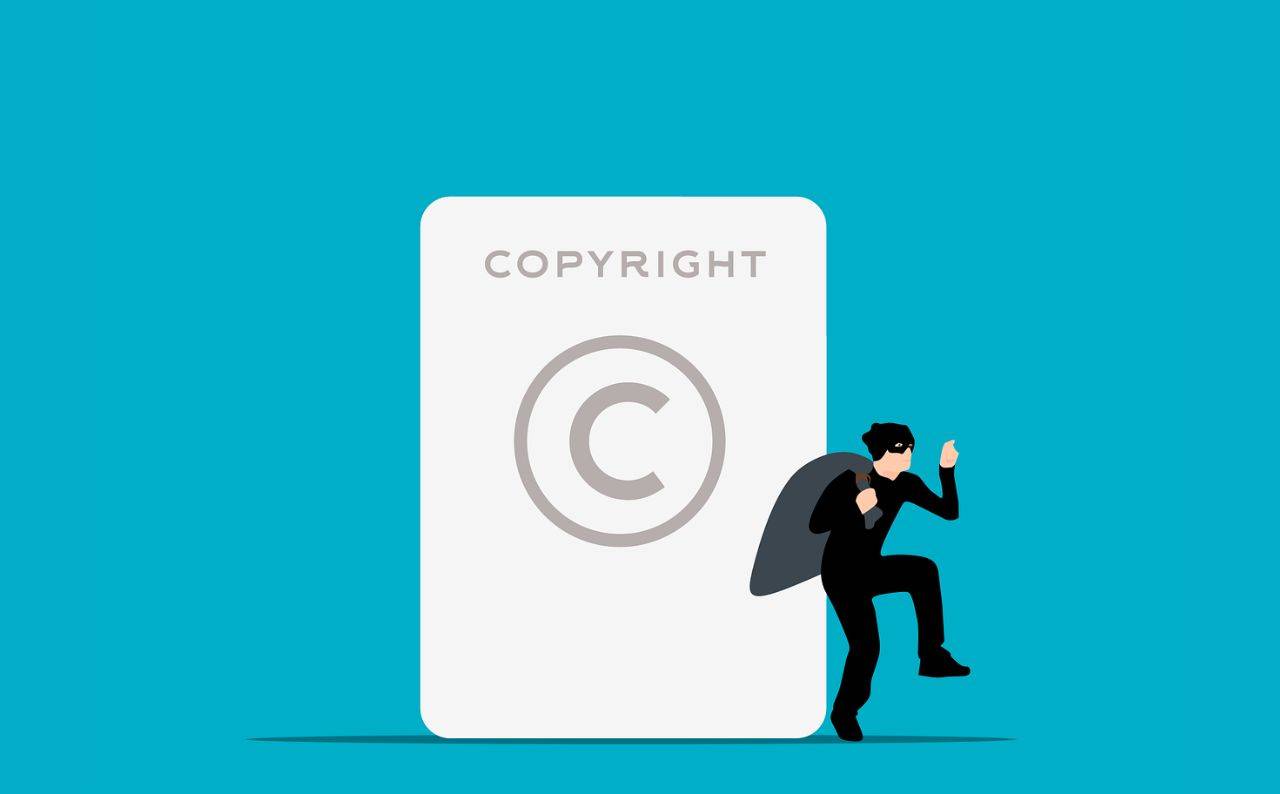
Existing copyright laws and legal frameworks will collapse before artificial intelligence. The way AI tools, especially generative AI tools, are designed, makes them look like publicly-sanctioned, helpless piracy machines.
how? Many of today’s AI systems are trained using copyrighted material. You know, copyrighted articles, copyrighted songs, copyrighted images, etc. Tools like ChatGPT, Bing AI, and Google Bard can do great things this way.
While these systems obviously tap into people’s intellectual property, the way these AI systems work is that humans read copyrighted books, listen to copyrighted songs, It’s no different than viewing a copyrighted image.
You can read copyrighted books, learn new facts from them, and use the facts as the basis for your own books. You can also listen to copyrighted songs to get inspired to create your own music. In both cases, copyrighted material is used, but derivative works do not necessarily infringe the copyright of the original.
While this is a logical explanation for AI disrupting copyright law, it still hurts copyright and intellectual property owners. Taking this into account, the following regulations are necessary:
- Clearly define the responsibilities and responsibilities of all parties involved in the AI system lifecycle. This includes clarifying the roles of all parties, from AI developers to end users, to ensure that those responsible for copyright and intellectual property infringement by AI systems are held accountable. included.
- Potentially strengthen existing copyright frameworks and introduce AI-specific copyright laws.
- To ensure innovation in the AI space while protecting the rights of original creators, AI regulation must redefine the notions of fair use and transformative work in the context of AI-generated content. We need clearer definitions and guidelines to continue improving the AI space while respecting copyright boundaries. It’s important to strike a balance between innovation and protecting the rights of content creators.
- A clear path for collaboration with rights holders. In any case, if AI systems are to use people’s intellectual property, there must be a clear path and framework for AI developers and rights holders to work together, especially on the use of such intellectual property. If derivative works are commercialized, we need to cooperate in terms of financial compensation.
AI regulation is a desperately needed fix
Artificial intelligence has emerged as a promising solution to many social problems, but AI itself is quickly becoming a problem in need of urgent solutions. Now is the time to take a step back, reflect, and make the necessary adjustments to ensure AI has a positive impact on society. There is an urgent need to recalibrate our approach to building and using AI systems.