issued Wednesday, July 8, 2026 · 05:51 AM
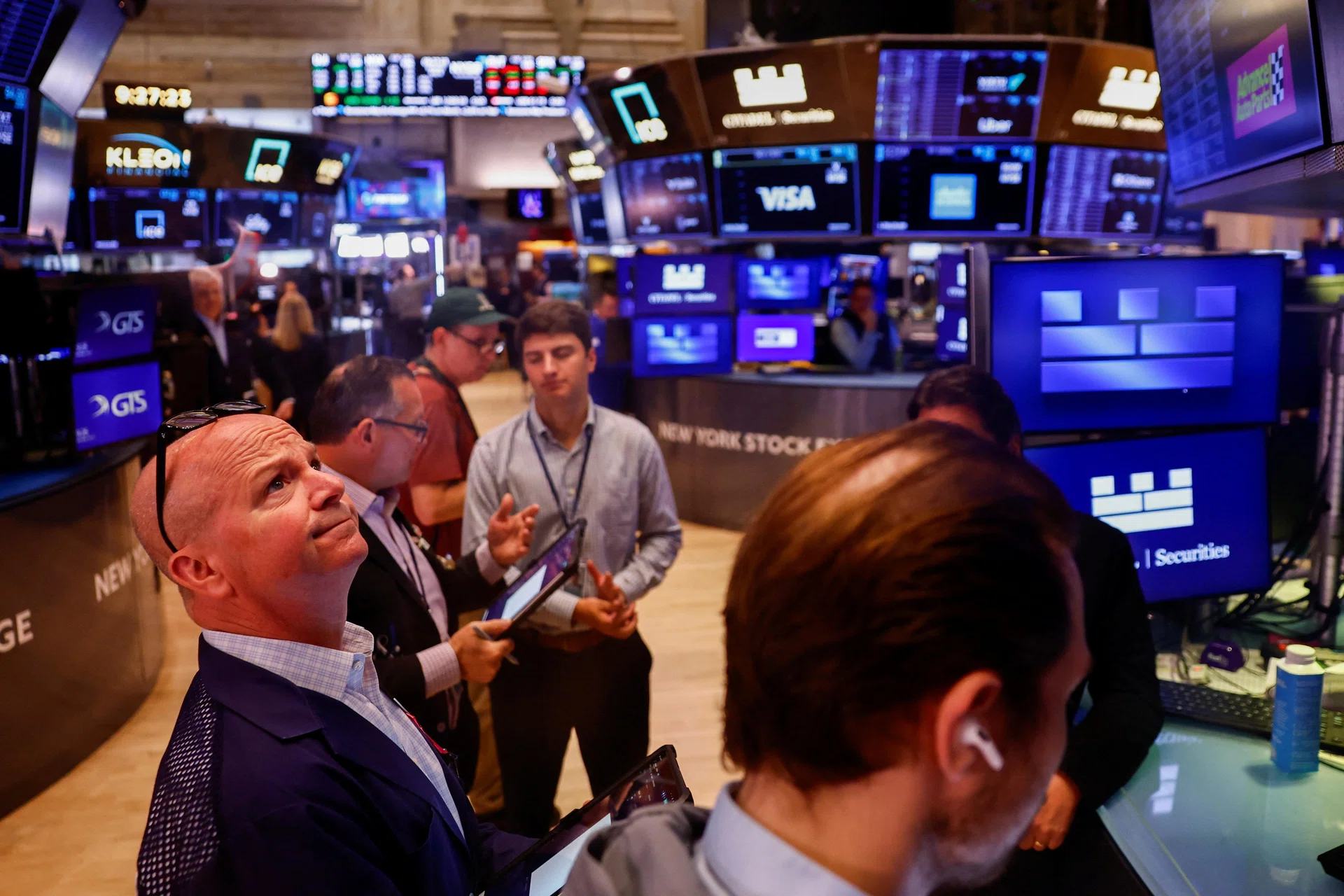
The Nasdaq closed sharply lower on Tuesday (July 7), weighed down by losses at Micron Technology and other chipmakers due to growing doubts about the sustainability of Wall Street’s AI-driven bull market.
Chip stocks in Asia and the United States fell after memory chip giant Samsung Electronics’ surprising earnings report failed to satisfy investors who had sky-high expectations.
Micron fell 4.7% and SanDisk fell 7.3%. As a result, the PHLX Chip Index fell by 4.65%, reducing its gain in 2026 to about 74%.
Reuters reported that Chinese startup DeepSeek is developing its own AI chip, which could reduce its dependence on chips from Nvidia and Huawei, adding to concerns about the fast-growing chipmaker.
Tuesday’s decline in chips signals recent increased volatility in memory chip makers and other AI stocks as investors worry that a surge related to the construction of AI data centers has pushed their stocks too high.
“Today’s story is about the past few weeks, the rotation after the onslaught of AI ramp-up, semis, and memory. It’s become almost impossible to beat the hype of these companies,” said Zachary Hill, head of portfolio management at Horizon Investments in Charlotte, North Carolina.
A new test of appetite for semiconductor stocks looms on Friday, when the U.S. listing of South Korean giant SK Hynix begins trading on the Nasdaq. Elon Musk’s SpaceX fell nearly 7% on its first day of trading as part of the Nasdaq 100 index, after which a flurry of brokerages began covering the stock.
Eight of the S&P 500’s 11 industries fell, with industrial stocks down 3.41%, followed by materials stocks, down 2.45%.
The S&P 500 index fell 0.45% to close at 7,503.85 points.
Related items
The Nasdaq fell 1.16% to 25,818.69 points, and the Dow Jones Industrial Average fell 0.25% to 52,925.15 points. The Dow briefly hit a record high in early trading, but has since stalled.
Despite the decline in the S&P 500 index, advancers outnumbered decliners in the index by a 1.3-to-1 ratio.
Oil prices rose following reports of attacks on ships near the Strait of Hormuz. Fiserv rose 1.8% after media reports said the company was in talks with U.S. banks including JPMorgan and Bank of America to sell its payments infrastructure business, which handles debit card transactions.
Federal Reserve watchers will get another glimpse of how the central bank is steering when new Chairman Kevin Warsh releases the minutes of his latest meeting on Wednesday, his first day in office.
Volume on U.S. exchanges was relatively low, with 17.5 billion shares traded, compared to an average of 23.3 billion over the past 20 sessions. Reuters