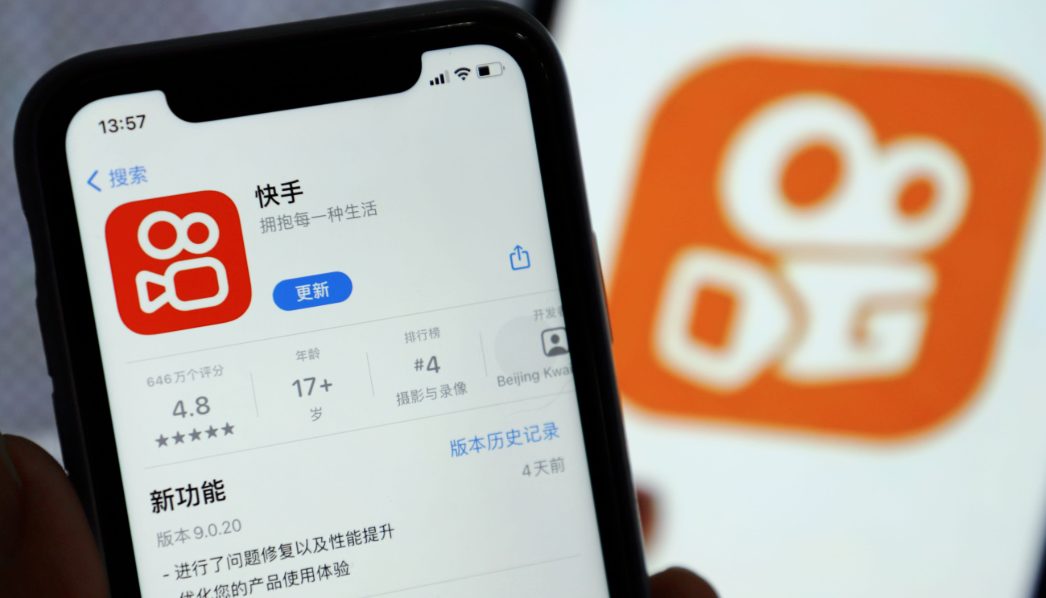

Kuaisho Technology almost secured $2.8 billion Tencent Holdings joined the investment round along with 21 other backers in new funding for the company’s artificial intelligence subsidiary Kling AI.
According to a regulatory filing released Thursday, the text-to-video platform 19 billion yuan ($2.79 billion) including capital injection 200 million dollars Investment from Tencent.
Bloomberg reported Kling AI’s funding value as follows: $15 billion pre-money And it plans to reduce its ownership in Kuaishou’s AI division to about 50%. 68%. Tencent’s participation is notable as it also operates its own generative AI platform. Hung Yuan.
Investors initially welcomed the announcement, with Hong Kong-listed stocks mostly rising in value. 7% The stock reversed in early trading on Friday before ending the session lower. 0.1%This reflects investors’ concerns about the high infrastructure costs associated with expanding generative AI businesses.
Founded in 2011 and headquartered in Beijing, Kuaishou operates China’s second-largest short video and live streaming platform after ByteDance’s Douyin. The Hong Kong-listed company has expanded beyond its core social media business into e-commerce, digital advertising, gaming and live streaming services, while expanding its international footprint through apps such as Kwai and Snack Video.
Released in June 2024, Kling AI It serves as Kuaishou’s flagship text-to-video platform and has grown to more than just that. 60 million creators The company is expanding its AI business internationally and has spread all over the world. This investment highlights Kuaishou’s diversification beyond its core platform by developing generative AI tools that complement its advertising, e-commerce, and creator ecosystems.
Kuaishou remains the second largest short video platform in China, offering approximately 700 million monthly active userspeople who spend above average 130 minutes per day on service. The company primarily generates revenue from online advertising, live streaming, e-commerce fees, and virtual gifts, and its large user base provides the foundation for expanding its AI-powered products and services.