
Naspers spent more than $100 million (R1.64 billion) investing in AI across its business in the year to the end of March.
The group treats AI investments as an operating expense that is built directly into individual business units, rather than as a standalone capital investment.
Of the total spending, OLX accounted for $30 million.
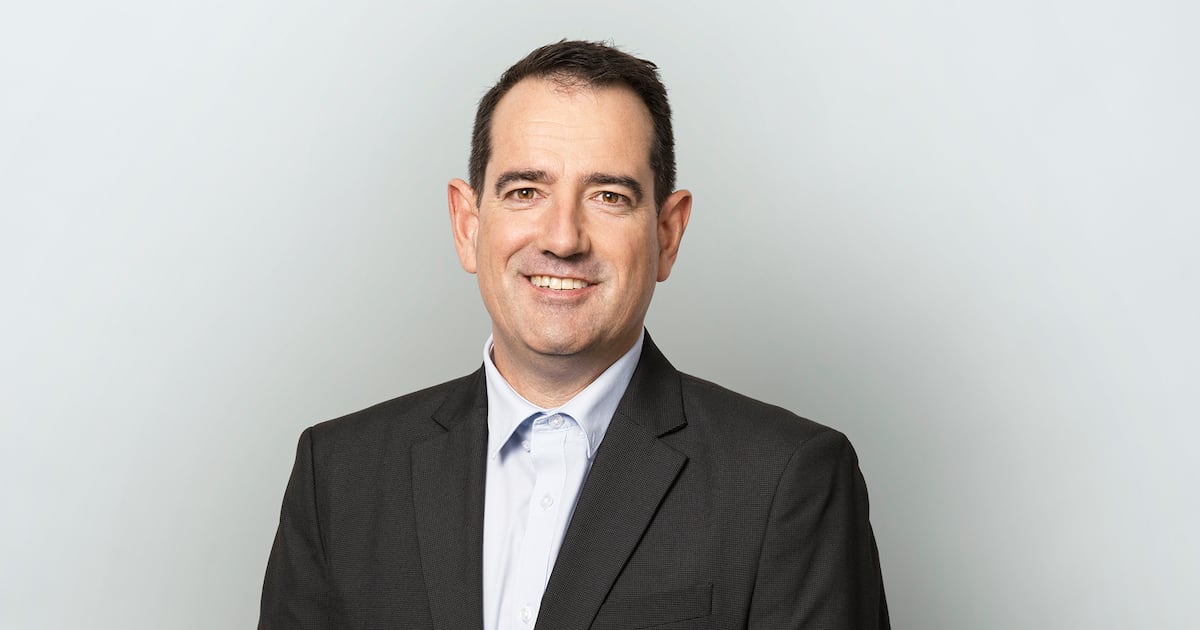
“From a group-wide perspective… we spent at least $100 million, putting all the different elements together,” Naspers CFO Nico Marais told Business Day as the technology group released its full-year earnings report.
The OLX advertising division alone has spent more than $200 million on AI since 2018.
Naspers boss Fabricio Broisi is working to transform the group from an e-commerce giant to a “world-class AI company.” At the core of this change, the group has transitioned from a technology investor to an e-commerce operator to an AI platform.
For the first time in the 20 years the group has primarily been a technology investor, the Naspers stable is developing and bringing to market its own AI platform.
The move means the group has had to change the way it spends, requiring a different level of discipline around costs.
OpenAI, which is gearing up for a major stock market rise, recently revealed that its spending will reach $34 billion in 2025. Compared to the likes of ChatGPT owner and Anthropic, the group and international arm Prosus spends much less, Marais said.
“Our company does not have a large amount of capital investment. [on] AI investment. It’s inherently built into our products and services, it’s built into our business and everything we do,” Marais said.
He said the company focuses on operational practicality by deploying internal AI models trained on consumer data in conjunction with agent internal platforms such as ToqanClaw.
Last week, the JSE’s largest technology group announced ToqanClaw, a platform that allows the company to develop its own software solutions without the need for complex technical teams or third-party developers.
“We have a central AI team at the forefront of model and product development. They work closely with various business units,” Marais said.
“We are developing what is called a large-scale commerce model. [LCM]. Basically, we take an AI model and train it based on a lot of commerce data, how customers actually interact and what they do on the site. You can use it to profile your customers and predict their behavior to drive conversions, reduce customer acquisition costs, and increase frequency and retention on your platform. ”
At present, the platform is free to use for companies within the Prosus ecosystem, including companies owned and operated by the Group, companies in which it has a stake, as well as external companies.
“We leverage a lot of open source coding and models, which allows us to run these products much more cheaply than traditional U.S. AI models from Anthropic and OpenAI.”
Elsewhere, Naspers continues to bet big on AI, with Prosus announcing a €400 million (about R7.5 billion) investment in European medical technology provider Alan. The group led a €480 million Series G funding round for the French healthtech startup.
Alan’s business is an integrated healthcare platform that uses AI to unify insurance, care, and prevention into a “single personalized experience.”


