
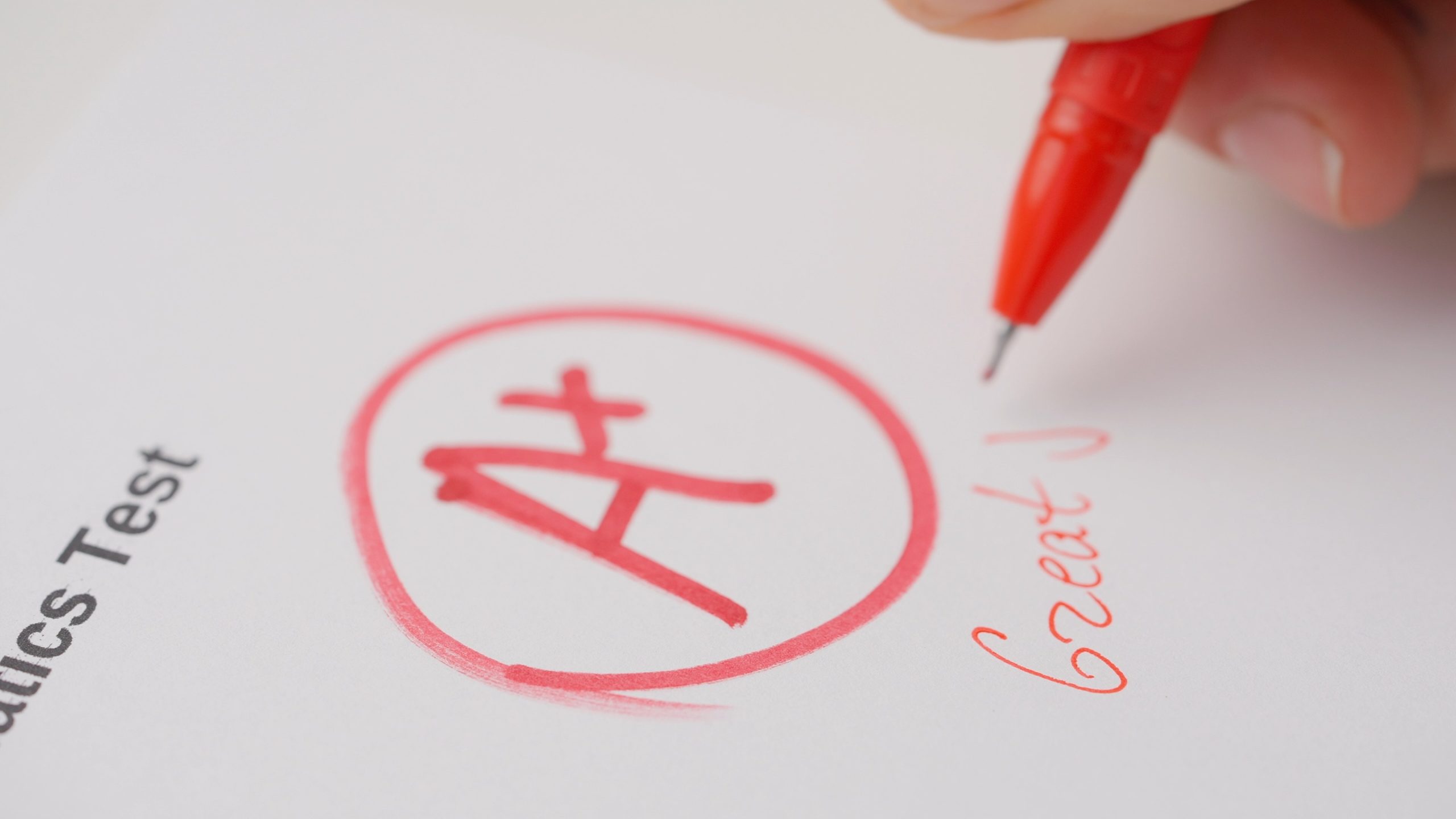
The class lasts two days. That’s all you need.
In 2024, I accompanied two different grades on a field trip for two days in a row and completed approximately 450 ungraded assignments.
I knew what to do. We’ve done it before, mark credit or no credit, and move on. Students get something out of it. They practiced that. But if one of them is practicing incorrectly, no one notices it, no one tells them, and the misunderstanding is carried into the next unit.
That experience led me to build an AI scoring assistant. And in April of this year, I removed its most automated feature, the ability to return AI-generated grades and allow students to comment before reviewing them.
It was easy to justify building that feature. By removing it, it became clear which parts of grading were not left up to the teacher.
Most of what students submit to me are not pretty essays. I teach engineering and my students submit designs, schematics, code, and photos of their physical work. That’s one reason why many teachers I know still don’t use AI to grade. They use it to scaffold units or soften emails to parents, but grading with it is usually very time-consuming as you have to paste assignments one by one into a chatbot, so it’s faster to grade them yourself. So we built our own tool.
I teach mechatronics, and if mechatronics teaches you anything, it’s that efficiency is important. Optimize your system and eliminate friction. When I took that idea into the product I built, the logical endpoint was automatic return. The AI was able to grade work, draft grades and comments, and send it back to students without me having to click again, including late submissions. I spent hours coordinating my assignments, handouts, instructions, and grading against rubrics.
One day, a student came up to me and was happy to give me some encouraging comments about an assignment. This comment motivated him to rework and resubmit.
When AI takes control
The problem is that you didn’t write a comment. I had never seen it before.
This would be a different story if it had passed before my eyes and I had reviewed it, edited it, or decided it belonged there. However, at that moment, the student assumed that the encouragement was coming from me, when in fact I was not participating in the interaction.
There was nothing inaccurate about the feedback. That made it almost difficult to explain. After spending over 20 years in the classroom, I couldn’t put into words what felt wrong. I knew it would be like that. The question wasn’t whether AI could produce useful feedback. It’s possible. The question was whether the student should be subject to the teacher’s judgment if the teacher had not made the judgment.
Therefore, we removed automatic returns and also added automatic scoring for late work. An alternative to this is the Reviews Dashboard. The AI drafts all the grades and comments on my rubric and lines them up in front of me. You can edit, override, reject, or return feedback in one pass. It’s fast after all. But now my eyes and judgment touch every grade level before my students see it.
It changed the way I think about human reviews. It’s not about skimming the score and clicking accept. That should mean checking student work against the rubric and owning the results.
The software can suggest decisions. cannot be owned.
Policies are also starting to move in the same direction. New York City public school guidance currently says AI should not replace educator decision-making, and other states are considering rules based on human review and student data. The rules will continue to change. The principle is that it shouldn’t. We need someone to take responsibility for student performance.
When I explained the tool to one of my administrators, what he liked most about it wasn’t the time savings. That meant we needed a rubric. Teachers create rubrics for big projects, but mundane, low-stakes work rarely receives a rubric. It’s just a job with units marked or unmarked units and no feedback. This transaction goes both ways. Students now have clear expectations up front and can get comments on assignments that were previously ticked off.
He had two concerns, both of which were understandable. Parents and students should know when AI-assisted tools will be graded and include them in the syllabus. Also, if a student disputes a grade, teachers must manually regrade it. We agreed that the second event should happen with or without AI. Humans also make scoring mistakes.
My students know that I developed AI tools. It’s not the technology they care about. What matters is whether feedback is prompt, rubrics are clear, and grades are fair. A few times I’ve docked points of work that the tool missed, but most of the time it was because the screenshot was cropping off the edge of the page or the text was too light to read. Students came to me, looked at their work, and gave me points back. I want that. Grades should be something that students can question.
What surprised me was that students challenged AI long before they challenged me. A child will immediately walk up to you and say, “I should have full faith because the AI got it wrong.” The kid won’t tell me to his face that I made a mistake and that I owe him 10 points. We both could be wrong, but it’s better for the students because the machine is easier to push back on than the teacher. That grade still flows through me. Having a draft between us makes it easier to speak up. If a grading system makes students afraid to challenge their results, then the system is wrong.
Grading advice by AI
If your school is working on AI grading, start by disclosing the information. Don’t say “AI might be used.” We explain what it means: Comments and ratings are drafted Rated by AI and reviewed by teachers. Next, answer the more difficult questions. Where does student work go? Is it stored or used to train models? How secure is the platform? Has anyone independently reviewed it?
We are teachers, not graders. Yes, we grade, but we also attend IEP meetings, call parents, plan lessons, and try to notice students who are quieter than usual. Everyone wins when the grading assistant gives me back the time I spend grading my daily work so I can use that time for better lessons and better feedback.
But when a student asks, “Why did I get this grade?” the answer cannot be “because the system said so.”
It has to come from me.


