
Five Flemish universities have been tasked with developing a framework for leveraging AI across the education sector at the request of Flemish Minister of Education Zuhar Demir. The local government has allocated €10 million to the project as part of a wider AI strategy.
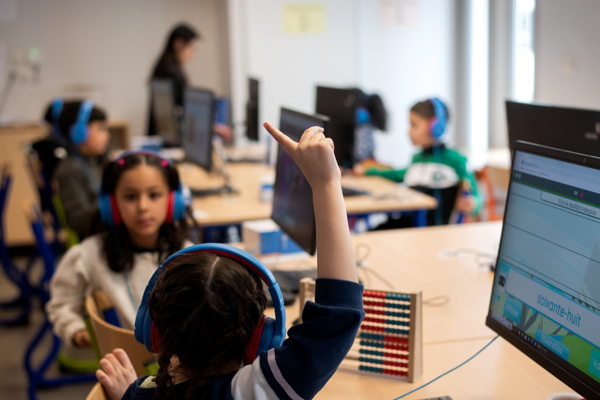
According to Demir, AI is already taking hold in the classroom. According to research, around a quarter of primary school teachers in Flanders are using AI tools, as are almost half of secondary level 2 and 3 teachers. The minister says a clear framework is needed to prevent schools from introducing such technology without adequate safeguards.
The university will develop the plan in collaboration with universities of applied sciences, research institutes and private partners. Focus on supporting young people to use AI critically, safely and consciously, while ensuring education is responsive to changes in the labor market.
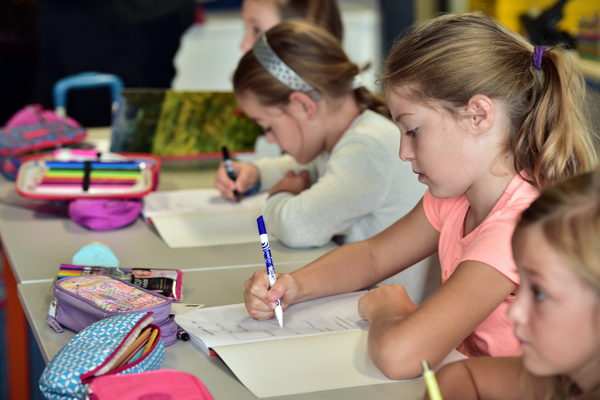
The framework will also consider how AI can support teachers by reducing administrative workload, assisting with lesson preparation, providing faster feedback, and helping identify learning gaps.
A key condition is that the AI application operates within a secure digital environment and can be integrated with existing school systems while protecting users’ data.
“Our children must learn how to work with AI without having their data, attention, and thoughts controlled by systems we have no control over,” said N-VA’s DeMille.
Schools will maintain “full autonomy” over how they use AI, she added. “They make educational choices based on their projects, students, and teams. Flanders ensures safe pathways and clear safety rules, allowing schools to make stronger choices without having to independently assess legal, technical, and ethical risks.”
The initiative forms part of the Flemish government’s wider vision document, which aims to accelerate the use of AI in education, business and government. The plan also includes the creation of an Advanced AI Council to advise the region on the introduction of AI in the public sector and its impact on the labor market.
“For us, education is where Flanders decides how to deal with artificial intelligence,” said Matthias Diependale, chairman of the ministry. “If we want everyone to be included, we have to start there. We have to start by giving young people and teachers the knowledge and skills to use AI consciously, safely and confidently.”
#Flanders News Service | © Photo Martin Rodier / SIPA
Related news