3 minute readMay 26, 2026 05:52 PM (IST)
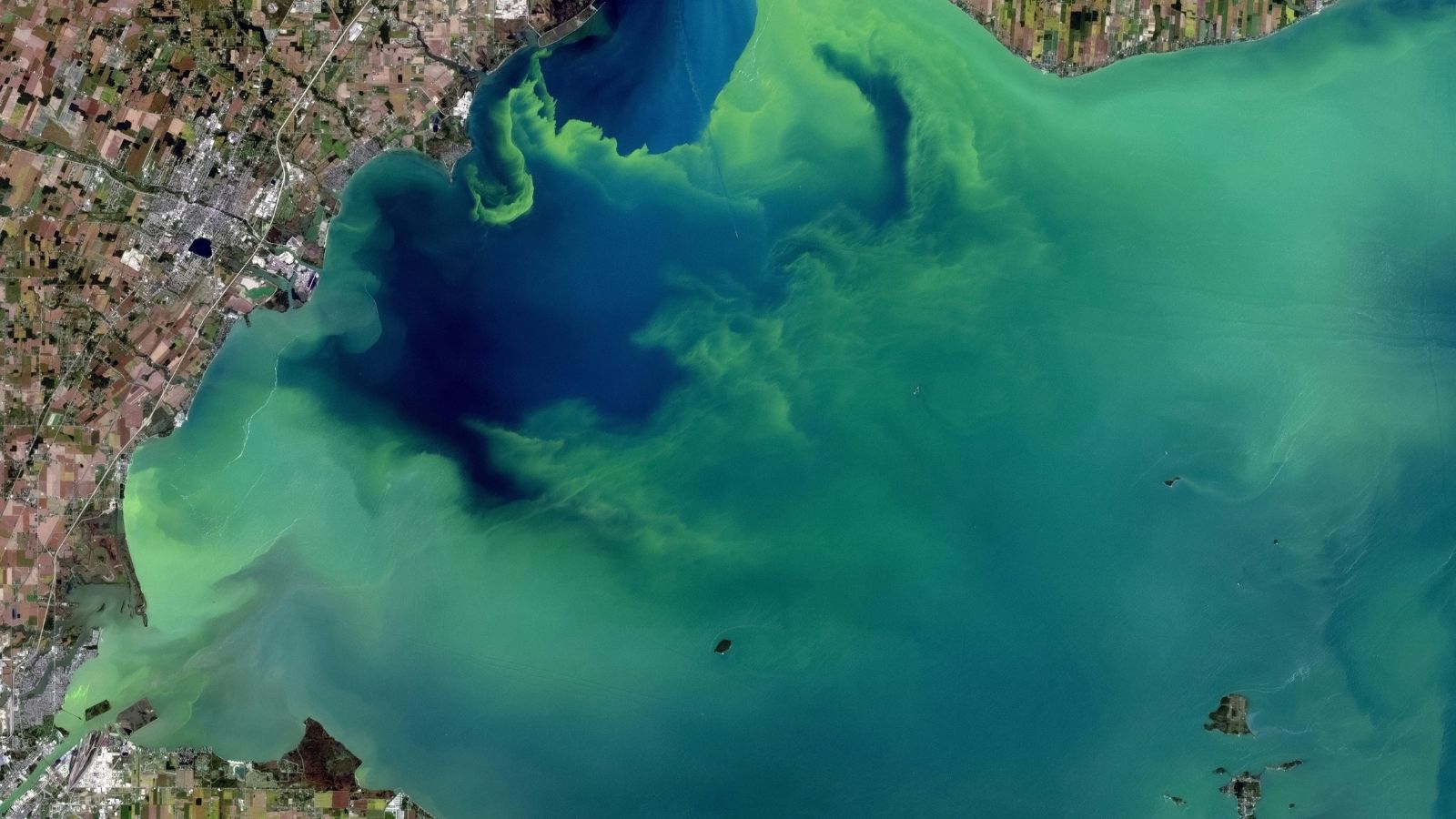
Algae blooms are one of the pressing problems facing coastal communities around the world. It can prove dangerous with various negative impacts on marine life, beaches, the tourism sector, etc. Most of the danger is due to the fact that algae blooms are detected only after they occur.
However, it seems that early detection is now possible. A NASA research team has developed a new artificial intelligence (AI)-powered algorithm that detects harmful algae blooms long before they cause major damage.

The system will reportedly analyze satellite data and use machine learning to effectively monitor coastal waters. The researchers tested the system in areas prone to algae blooms, including West Florida and Southern California. In Florida, red tide occurred due to an algae bloom caused by Karenia brevis species. Not only that, but algae blooms have also been linked in recent years. Pseudo-natures have been reported to have poisoned dolphins, sea lions, and other marine animals.
Monitoring algae blooms typically requires water samples, boats, and laboratory testing, a process that typically takes several days. As a result, by the time the results arrived, the bloom had already proliferated. Reportedly, NASA’s new system aims to speed up this process.
The research team used data from five satellite missions and instruments, including NASA’s PACE satellite and Europe’s TROPOMI instrument. These satellites can detect subtle signals in seawater, such as pigments, the size of algae, and the faint light produced during photosynthesis.
The AI used self-supervised machine learning to analyze large amounts of satellite data and identify patterns associated with harmful blooms. The scientists then compared those patterns to real-world water samples and laboratory measurements.
According to the researchers, the system was successful in identifying harmful blooms and even identifying specific algae species in complex coastal environments.
Story continues below this ad
NASA said the technology is not meant to replace existing surveillance efforts, but rather to support them by helping authorities decide where to test water first and where infections may be occurring.
The agency believes this approach could ultimately help protect fisheries, aquaculture, tourism, and even drinking water systems. The researchers are now working on expanding this tool to more coastlines and inland lakes.
The study was published in the journal AGU Earth and Space Science.
© IE Online Media Services Pvt Ltd