
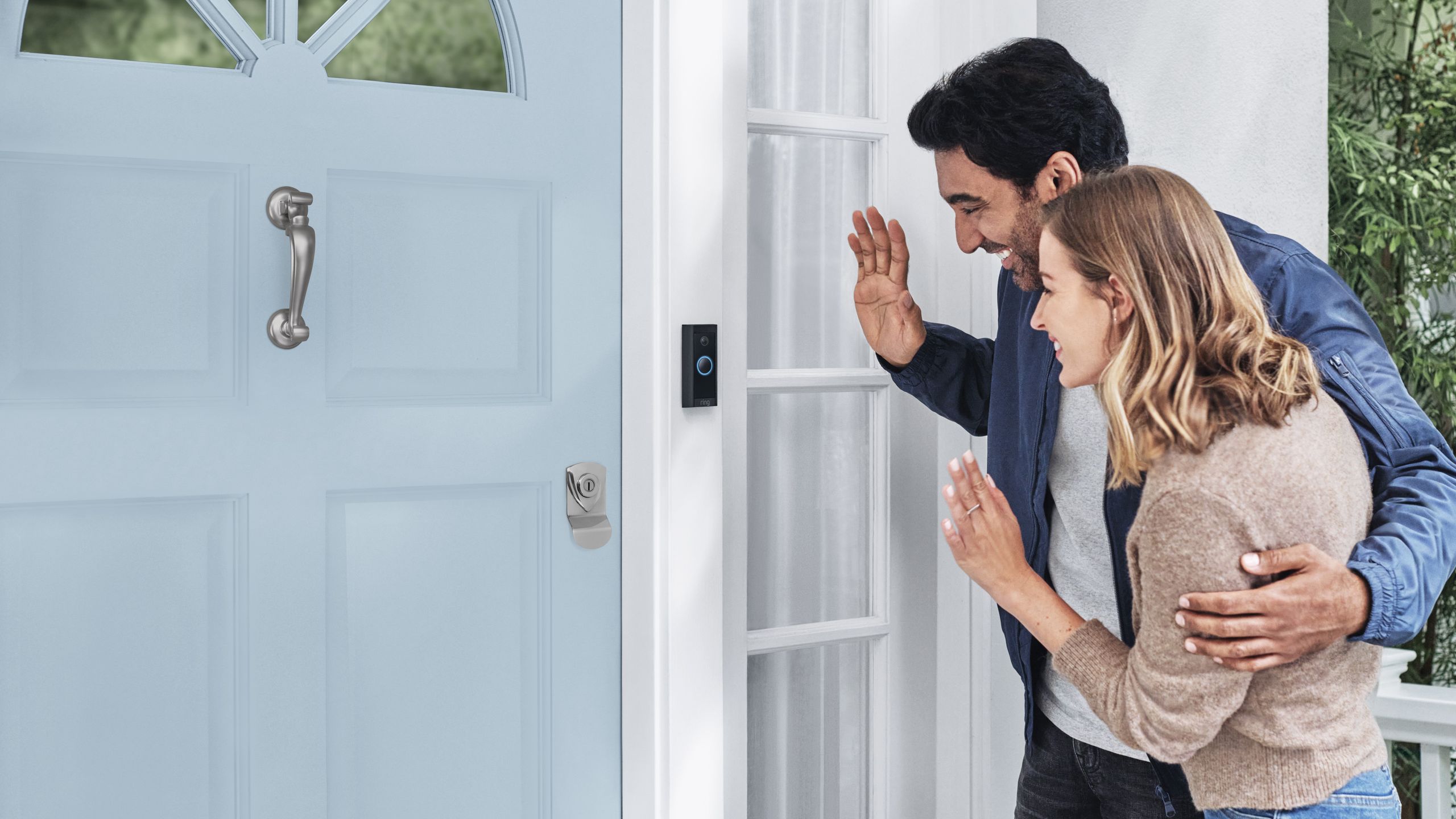
If you already own a Ring doorbell, you know that it’s a great way to increase the security of your smart home, especially considering the strength of its ecosystem. One of the things I’ve always liked most is the simplicity of the app, from checking your clip history to talking to the person at the door. After testing many of the best video door phones on the market, that’s still what I stand by.
That said, things changed quite a bit a few months ago when Ring rolled out its Familiar Faces feature in the UK. It may seem like a small addition at first, but it has actually completely changed the way you use your video doorbell every day.
After just a few days of testing, I quickly realized how convenient the whole setup would be and couldn’t wait to share it with you all.

So…what are Familiar Faces?
In case you didn’t know, Familiar Faces is an opt-in feature that lets your Ring device recognize people who regularly show up at your door. You can build a private directory with up to 50 known faces, and when someone approaches your camera, the system can identify them and send you more specific notifications based on that person.
Over time, you’ll be able to label and manage these perceptions directly in the Ring app, making the system more tailored to your household.
How have security settings been improved?
The biggest change from the moment I started using Familiar Faces is that I no longer have to open the app every time someone rings the doorbell. Instead, you’ll receive a notification telling you exactly who it is. If it’s a stranger, say a new neighbor, you can label it right away in the app. But even if it wasn’t, it didn’t matter, especially for one-time visitors like delivery drivers.
I was also surprised at how fast everything worked. Facial recognition starts almost immediately when someone enters the frame, with no noticeable delays or processing delays. That probably shouldn’t have been a surprise considering how smooth the Ring app is already, but I was still impressed when I used it. I also found myself using Event overview If you opened the tab frequently, it would show you how many times you visited in a day or how many visits you received from a particular person.
Another useful addition is the ability to filter your video history by name. So, for example, if I want to see when my mom last came to water my plants while I was away, I can just select her name and instantly see all her recorded visits. The app shows the camera used, time, and a quick preview of the clip, so you don’t have to manually scroll through footage.

(Image credit: Lizzie Willmott / T3)
Is there anything I should be careful about?
There are a few things to note, neither of which solve the problem. First, for Familiar Faces to fire, the person at the door must be clearly visible to the camera for a few seconds. I primarily tested with the Video Doorbell Pro. So I’m not sure how the best security cameras from Ring would work as well, but from my own experience, they don’t work as quickly as a quick glance.
Second, the system may create duplicate profiles for the same person. I’ve even been listed as “unknown” in my directory when I’ve changed my appearance slightly, like wearing a ponytail instead of letting my hair down or wearing a hood. Although this is not consistent, it shows that AI still has some way to go in terms of cognitive consistency.
That said, neither issue detracts from the actual experience. Overall, Familiar Faces has significantly changed the way I use my Ring doorbell, making it feel more intelligent and convenient on a daily basis. It’s also easy to see why this could be a great upgrade for many users.

(Image credit: Rik Henderson / Future)
Familiar Faces is available to Ring device owners on the Ring Pro (£15.99 per month) and Pro Intelligence plans.


