Examples of using AI in demand forecasting
AI-based demand forecasting can be used to improve various processes in various industries, including:
supply chain planning
To the extent that AI-based demand forecasting can accurately model the effects of economic and political changes, natural disasters, market trends, changes in consumer behavior, and many other factors, it can help supply chain planners source the right amount of supply needed to meet demand. Forecasting also provides planners with the information they need to recommend investments in starting new production lines or closing low-value production lines. These can also be used to recommend appropriate staffing levels for each production line.
- Transportation forecast. Accurate demand forecasting powered by AI is essential to an organization’s ability to plan truck, rail, air, marine, and other transportation capacity requirements for products. For example, transportation managers can use demand forecasting to book logistics needs such as truck and shipping container space in advance, reducing transportation time and saving the company money.
- Reverse supply chain forecasting. Just as organizations can use AI to predict product demand, they can apply AI to historical and current data to predict product return volumes and associated costs.
- delivery logistics. AI-powered demand forecasting allows businesses to not only more accurately predict sales, but also better predict delivery requirements and manage delivery times for those products, whether it’s to local outlets, direct to consumer, or cross-border deliveries where businesses need to consider the impact of export regulations. Demand forecasting also gives supply chain managers the data they need to import the right amount of raw materials, helping assembly line managers ensure they have what they need when they need it.
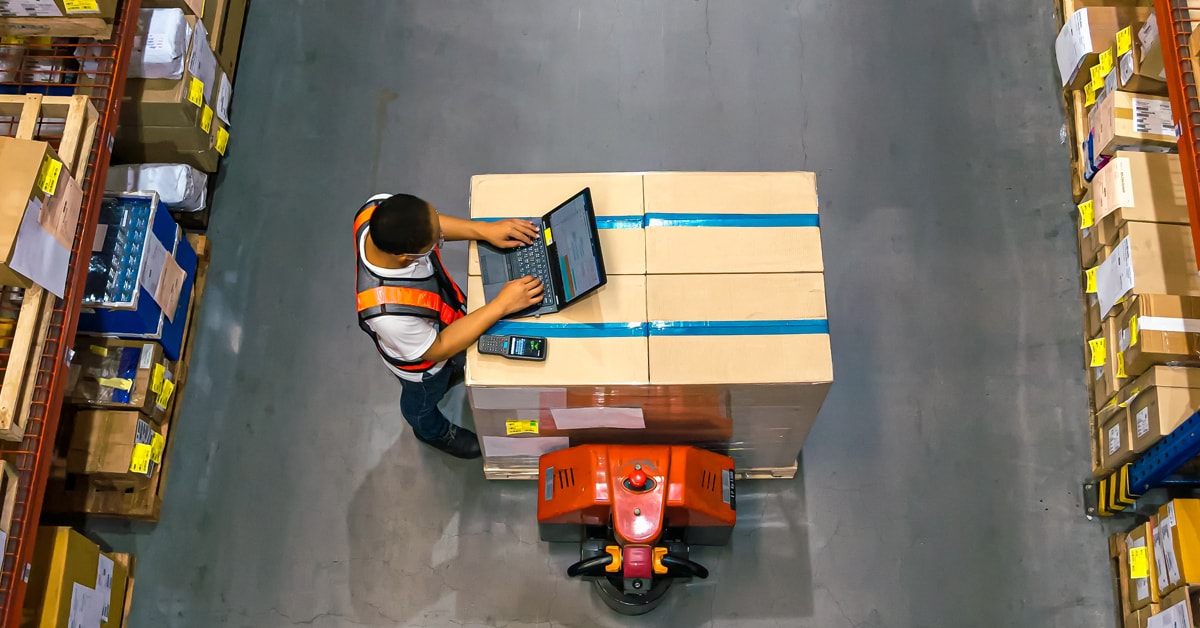
- Warehouse optimization. AI-powered demand forecasting helps manufacturers and retailers analyze demand signals from marketing, production lines, point-of-sale systems and external data sources, allowing them to understand how much warehouse capacity they need and adjust operations accordingly.
manufacturing industry
Manufacturers are using demand forecasting AI tools to adjust production capacity and optimize warehouse space based on customer demand. These tools use data about past sales, current promotions, and consumer trends, as well as external data about competitor actions and the impact of recurring events.
- Product demand forecast. AI-driven product demand forecasting uses machine learning to predict demand for existing products and predict demand for new products. Sophisticated demand forecasting tools not only provide insight into future sales, but can also estimate return volumes.
- seasonal analysis. Manufacturers use AI to analyze data about factors that influence seasonal trends, such as subtle patterns related to weather, changes in buyer preferences, holiday spending, and dips in off-peak hours. Then use those analyzes to predict changes in consumer demand.
- waste reduction. By using AI to predict and respond to changes in demand, manufacturers can avoid overproduction and the associated wastage of production resources and time.
finance
Finance leaders need to be confident in their cash forecasts and the organization’s liquidity levels. With the right demand planning tool, you can use data to create more accurate budgets, better manage cash flow, and establish closer relationships with other stakeholders in your organization.
- market forecast. By applying AI-based predictive analytics to historical and trend data, financial organizations can identify correlations and causal relationships and make predictions about future market conditions. These AI-based predictions are recalibrated based on new data to improve their accuracy. Organizations are using GenAI built into new demand forecasting tools to create commentary that explains forecasts and highlights important factors.
- risk assessment. Finance teams can use AI-driven predictive demand planning tools to identify issues that increase business and audit risk, such as the effects of sudden demand declines or supply shortages, or potential issues that can impact the accuracy and reliability of financial statements and trigger an audit.
health care
Healthcare professionals are using the pattern recognition and analytics capabilities of AI demand forecasting tools to predict operational needs, improve resource allocation, and even predict patient outcomes.
- Hospital resource allocation. AI-based predictive analytics is applied to data about patients, community health, and seasonal health trends to help healthcare organizations predict demand for medical supplies, staff, and real estate space. Supply chain managers can use this data to order supplies, including perishable or hard-to-find items that should be avoided from overstocking. Team leaders can also use this data to plan work schedules and balance emergency care with elective appointments.
- Demand for pharmaceuticals. Forecasting the demand for medicines in health facility pharmacies requires understanding the importance of a particular medicine, historical consumption levels, the likelihood that physicians will prescribe it, and how external factors (such as timing, vaccination levels, and disease prevalence in the community) affect demand.
- Adjustment of treatment plan. Healthcare providers can use AI-based analytics to predict a patient’s recovery time and potential complications, and use those insights to create a personalized recovery plan that adjusts based on the patient’s progress.
car
Car manufacturers and major dealers use predictive analytics to analyze consumer patterns, trends, and competitive behavior. Some automakers are combining AI predictive tools with social media sentiment measurement to gain insights into customer preferences, product quality issues, and optimal pricing. Factories of the future will be able to use multiple data sources to autonomously recognize demand, configure production plans, assemble assets needed for manufacturing, and leverage real-time feedback to learn and adapt.
- Dealer inventory management. AI demand forecasting tools help auto dealers maintain optimal inventory levels using data on past sales, market trends, and customer sentiment. Such analysis helps dealers reduce carrying costs and develop pricing strategies that change based on market conditions.
- predictive maintenance. AI-based smart manufacturing tools can identify when equipment on an assembly line is about to fail and generate alerts, allowing manufacturers to repair equipment before downtime disrupts production.
- lean manufacturing. Automated, connected demand forecasting helps automakers optimize demand-to-delivery execution and respond effectively to market changes and customer demands. Forecasting future demand can support lean manufacturing efforts by helping manufacturers who source parts around the world ensure timely delivery of critical parts.
retail
Retailers can collect large amounts of internal data from point-of-sale systems, websites, and customer loyalty programs, as well as external data on factors that influence customer demand, such as weather patterns, holiday and seasonal trends, and consumer spending patterns. You can leverage AI to analyze that data and more accurately predict demand.
- trend analysis. AI-based trend data analysis is critical for accurate demand planning. This data includes nutritional and fashion trends, consumption patterns, forecasts of weather conditions, and more.
- Real-time inventory management. By applying AI-based analytics to sales and returning data from a central merchandising system, planners can adjust inventory levels in real time, optimize merchandising opportunities, and avoid carrying excess inventory, especially items with short shelf life.
- Developing a persona. Retail demand forecasters can use customer data collected from point-of-sale systems, loyalty programs, and customer surveys to create customer personas to better understand the behaviors and desires of specific types of valued customers. By leveraging AI to analyze this data, demand planners can optimize store inventory levels to appeal to these customers.
- Price optimization. Setting prices at a level that maximizes profits is critical for all retailers in this low-margin industry. But setting prices without detailed analysis of the latest sales data and how price changes will affect future sales can hurt profitability and drive customers away.
hospitality
Hoteliers can use AI to analyze their properties’ historical data, along with the impact of market trends, competitor activity, and fluctuating seasonal demand, to more accurately predict periods of high and low demand. Using this data, hotels can optimize pricing, staffing levels, and marketing strategies to maximize profits.
- Reservations and scheduling. This refers to the process of managing reservations for rooms, restaurant tables, and other bookable items such as spa treatments or use of sports facilities. Hotels can use AI to analyze historical data on these reservations, along with data on market trends, consumer preferences, and competitor activity, to predict demand for these services.
- seasonal forecast. Hoteliers can track profitability and performance metrics over time and identify seasonal patterns. Using AI-based demand forecasting software, hoteliers can maximize profits during periods of high demand and minimize the impact of periods of low demand by cutting staff, simplifying service, or even closing some rooms to reduce heating and cooling costs.
- Concierge and customer service. When hoteliers analyze up-to-date data on customer behavior and preferences, including their own customer data, research, competitive analysis, market statistics, and other data, they can better predict guest needs and personalize services to meet those needs. Beyond demand forecasting, AI tools can also allocate rooms that best suit guests’ preferences and requirements and provide relevant recommendations for restaurant reservations, hotel amenities, and local attractions.