
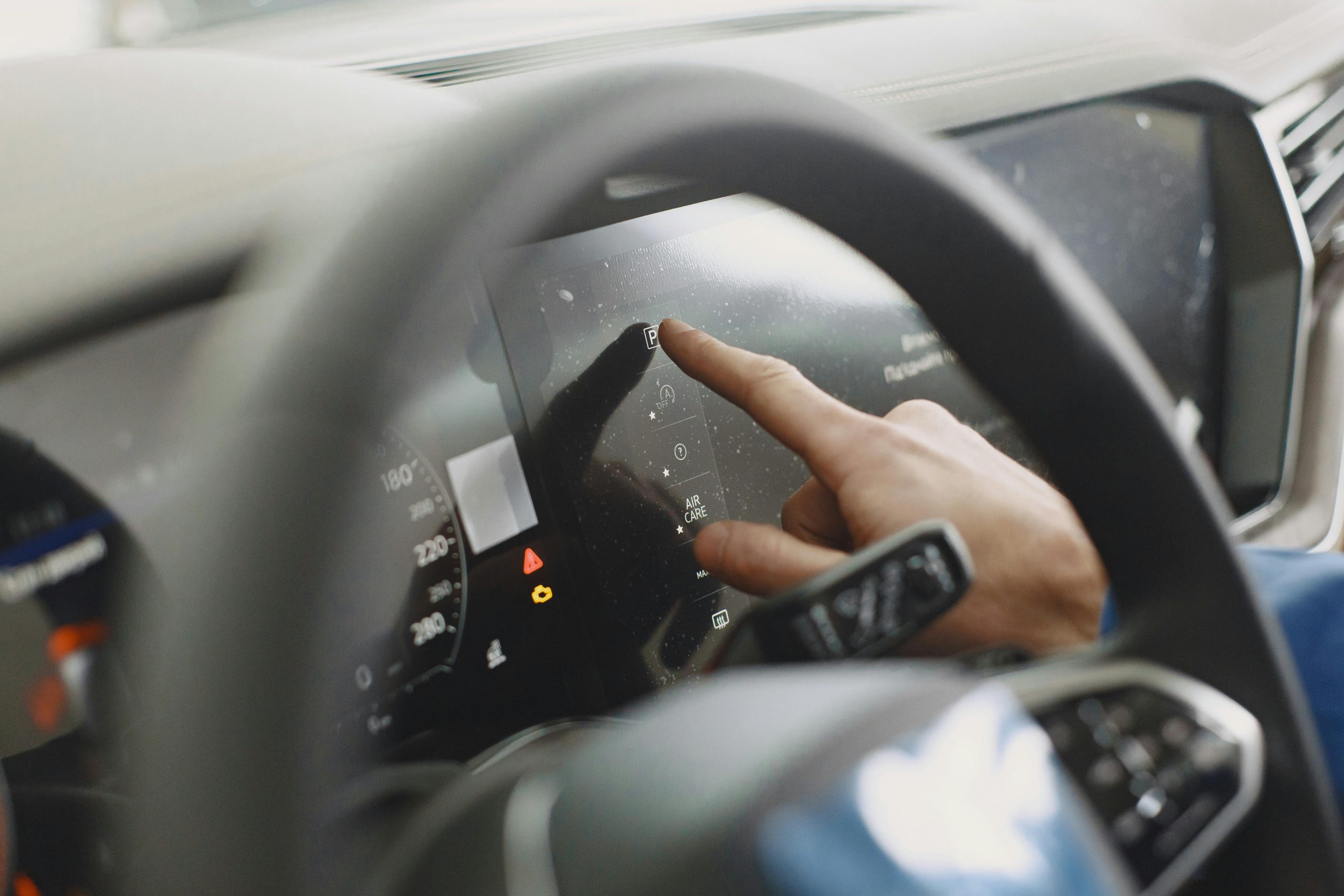
For decades, automotive safety has evolved through engineering precision, whether it’s stronger materials, better crash structures, or incremental improvements in passive protection. But today’s change is much more fundamental, with OEMs not only building safer cars, but also whole systems of intelligent safety, with human intelligence as the blueprint.
Human intelligence not only responds to stimuli, but also makes predictions based on the situation. Drivers on busy roads are constantly reading intentions, prioritizing traffic lights, and making detailed decisions in real time. Much of it is subconscious, based on experience and pattern recognition rather than explicit rules. This is exactly the complexity that the automotive industry is currently trying to recreate.
The rise of technologies such as advanced driver assistance systems (ADAS) reflects this change. According to JATO Dynamics, ADAS penetration in India has already reached approximately 8.3% of passenger vehicles in the first half of 2025, registering a 33% year-on-year increase in adoption.
While traditional systems operated based on predefined rules, these modern systems are beginning to mimic human cognition, interpreting context, weighing possibilities, and adapting to dynamic conditions.
Rethinking perception
At the heart of intelligence is perception, inspired by the way humans process visual and spatial cues such as distance, speed, movement, and intent, often without conscious effort. Replicating this ability mechanically is a major advance in automotive safety.
For this reason, modern systems are moving from single sensor inputs to sensor fusion. Intelligent systems such as ADAS integrate input from cameras, radar, LiDAR, and ultrasonic sensors to create real-time 360-degree models of the environment. Features like forward collision warning, adaptive cruise control, and pedestrian detection are now becoming increasingly common in Indian vehicles.
The advent of artificial intelligence (AI) and machine learning (ML) has taken this a step further. With the integration of AI, these systems are not only programmed but also trained. By processing vast datasets across a variety of driving conditions, these systems improve their ability to identify and respond, just as humans refine their driving over time. This ability to “learn from experience” reflects human cognitive development, where repeated experiences strengthen judgment and decision-making over time.
Moving from reaction to expectation
A key characteristic of human intelligence is the ability to anticipate risk rather than simply react to it. Experienced drivers are able to not only react but also anticipate vehicle braking, changes in traffic flow, and even pedestrian movement.
By translating this into machines, modern car safety systems move beyond recognition to decision-making. Rather than simply identifying objects, these systems analyze how conditions change by tracking changes in the driving environment over time. By continuously interpreting various vehicle and driver parameters, the system is able to assess the likelihood of potential risks and initiate timely interventions, often before the danger has fully manifested.
This shift towards predictability is especially important in a dynamic and unpredictable driving environment like India. This represents a shift from reactive safety mechanisms to proactive risk management.
Building trust and validation
As machines take on a greater role in decision-making, the conversation will inevitably turn to trust. Unlike traditional mechanisms, intelligent safety systems operate in a dynamic environment and make instantaneous decisions that directly impact human lives. Therefore, it becomes essential to ensure that these systems function safely and reliably.
Experienced drivers are trusted not because they are perfect, but because of their consistent decision-making ability. For machines to achieve the same level of trust, secure software architectures and rigorous validation frameworks must be involved. Automotive cybersecurity plays a key role here. This means that while the critical functions of embedded vehicle hardware are isolated, the secure architecture ensures that connected systems operate without compromise. This is especially important in connected vehicles, where multiple systems communicate with each other and with external networks.
Equally important is the role of automotive software validation, which has become much more complex. To address this, today’s industry is increasingly adopting AI-driven verification frameworks that combine large-scale simulation with real-world testing. These simulations help identify potential weaknesses, tune system responses, and ensure consistent performance across different environments.
In many ways, this mirrors the way humans learn. Just as humans improve their judgment through experience, intelligent systems are constantly being tested, trained, and refined to enhance their decision-making abilities, which is essential to building confidence in the safety of machine drives.
conclusion
As machines become more intelligent, the line between human intuition and machine capabilities continues to blur. In today’s evolving mobility environment, safety has changed from protecting passengers in the event of an accident to preventing accidents altogether. This change is enabled by intelligent systems inspired by human cognition that support decision-making, reduce uncertainty, and build trust.
The future of road safety lies in the fusion of human insight and machine intelligence. As technology continues to mature, vehicles will not only assist drivers, but also understand the road like humans and be able to act more quickly and effectively to keep us safe.
Sharad Bairathi is the Managing Director of Embitel Technologies. The views expressed are the author’s personal.


