

Artificial intelligence tools like ChatGPT have quickly become a part of everyday life. People now rely on them for writing, research, coding, and even decision-making. What once felt like a novelty is now a regular part of how many of us work and think.
At the same time, this rapid adoption raises important questions: How secure are these tools when it comes to privacy?
Because AI tools feel like conversations, many users believe their interactions are private. It’s similar to sending a message to a colleague or writing a memo. But behind the scenes things work differently. The input is processed, stored and, in some cases, used to improve the system itself. When you add in factors like network exposure and IP tracking, the privacy situation becomes more complex than it seems.
For Windows users in particular, these concerns are even more important because many of these activities occur on laptops and desktops used for work, file processing, and browsing.
Fortunately, you don’t need technical expertise to use AI tools safely. With some practical habits and proper settings, you can significantly reduce your exposure while still reaping the benefits these tools have to offer.
Why AI tools raise privacy concerns
AI systems are designed to learn from data. Every prompt you enter is processed and a response is generated, which often also helps improve the system over time.
This creates a gap between perception and reality. While interactions may feel private, they are often treated as data rather than confidential conversations. Unlike talking to a lawyer or doctor, there is no built-in legal protection for what you share.
This distinction will become even more important as AI tools become more deeply integrated into everyday workflows. Whether you’re drafting an email, analyzing a document, or brainstorming ideas, it’s easy to forget that you’re working with a system designed to process information at scale, not to keep it strictly private.
Common risks when using AI tools
Using AI tools without privacy considerations may not necessarily cause problems right away, but it is likely to put you at risk over time. Some common risks are worth keeping in mind.
Data storage and reuse
Some platforms may retain user input, so the information you share may be retained for longer than you expect.
Oversharing sensitive information
Many users treat AI tools like a scratchpad, pasting in documents, work materials, and personal information.
lack of security
Unlike professional services, AI tools are not held to strict confidentiality standards.
Exposure to network-level risks
Using AI tools on public or unsecured Wi-Fi can increase the risk of eavesdropping and tracking.
These risks do not mean that AI tools are unsafe, but they highlight the importance of being aware of them and using them.
How to stay safe when using AI tools
Improving privacy when using AI tools does not require major changes. A few simple habits can make a big difference.
- Avoid entering confidential or confidential information
- Use secure and reliable networks whenever possible
- Review platform privacy settings and controls
- Log out of a shared device
- Keep your system and apps up to date
These steps will help reduce your exposure within the platform. But there’s another layer that’s often overlooked. It’s how the data is sent to the AI service.
Why a VPN is useful when using AI tools
With AI tools, no data remains on your device. It travels across the internet, potentially exposing details such as your IP address and connection behavior in the process.
A VPN (virtual private network) protects this connection by encrypting your Internet traffic and masking your identifiable information.
When using AI tools, a VPN can help you:
- Secure your connection on public Wi-Fi
- Reduce exposure to IP-based tracking
- Adds a layer of privacy between your device and AI platform
- Improve access when certain tools are region-restricted
A VPN doesn’t change how the AI platform processes data internally, but it strengthens the connection between you and the service.
Choosing a VPN for Windows
If you regularly use AI tools on your desktop or laptop, it’s important to choose the right setup.
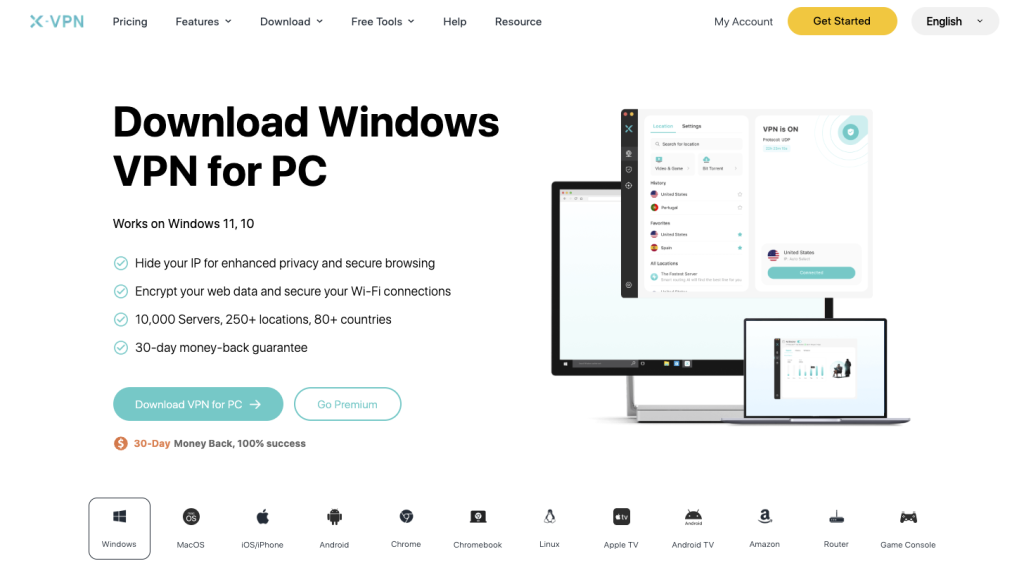
When evaluating the VPN for Windowsconsider:
- performance and speed
- Clear privacy policy (e.g. no logs)
- Ease of use
- Stable compatibility with Windows devices
A well-designed VPN will integrate smoothly into your workflow without adding friction.
Example: Using VPN for AI tools on Windows
In reality, it’s easy to use a VPN with AI tools. After installing Secure VPN app for PCyou can connect before accessing the AI platform.
For example, if you’re working in a cafe or shared workspace, your connection may be leaked. Enabling a VPN encrypts your data before it leaves your device, reducing the risk of surveillance and eavesdropping.
Some providers, such as X-VPN, offer Windows-compatible applications designed for quick setup and consistent performance, making it easier to maintain your privacy without disrupting your workflow.
final thoughts
AI tools are becoming essential for productivity, creativity, and problem-solving. It’s convenient and easy to implement, but it’s also something that’s often overlooked when it comes to privacy.
Using these tools safely does not mean avoiding them. It’s about understanding how they work and taking simple steps to reduce unnecessary exposure.
By combining smarter usage habits and tools to secure your connections, you can continue to benefit from AI while maintaining better control over your data.
In such a rapidly changing space, small adjustments can lead to meaningful changes over time.



