
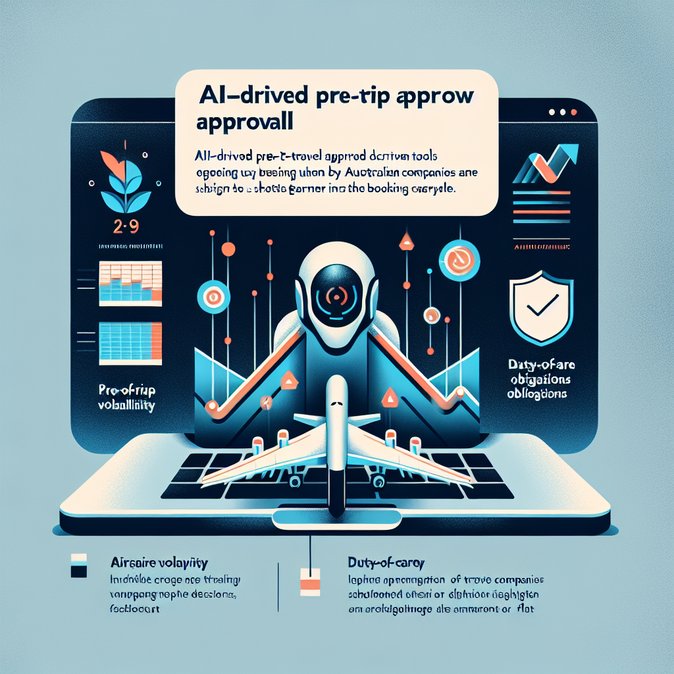
A May 6 report in Travel Weekly said Australian businesses are moving travel authorization decisions “upstream” as artificial intelligence tools become more widespread. According to SAP Concur, flight bookings by Australian customers grew by around 10% year-over-year in 2025, and by a further 44% in March 2025, prompting finance teams to seek early insight into costs. The AI-powered request platform now estimates travel costs in real-time, flags policy violations, and approves routes based on spend and risk before you buy a ticket. Supporters say the move will reduce off-policy bookings, tighten audit trails and free travelers from retroactive expense disputes.

Meanwhile, organizations tasked with managing visas quickly can take advantage of VisaHQ’s Australia portal (https://www.visahq.com/australia/). The portal is integrated into companies’ booking flows, pre-checking travelers’ documents and displaying visa costs in real-time. This gives the approver one more data point before greenlighting the trip.
This trend has a dual benefit for global mobility and travel risk managers: enhanced budget control and enhanced duty of care data (such as itinerary approval timestamps and traveler intent) in an airfare inflation environment. Early adopters in Australia’s mining and professional services sectors report that they are taking faster action for lower-risk domestic travel, while maintaining higher oversight for travel to the Middle East and Africa. Vendors expect demand to accelerate through 2026 as companies grapple with volatile fuel surcharges and geopolitical uncertainty. Mobility teams should consider whether their online booking tools are integrated with AI request workflows, putting them at risk of policy compliance blind spots.