A global survey also found that the number of CEOs who think AI will lead to hiring cuts has halved, and that leaders are increasingly resilient to geopolitical tensions.
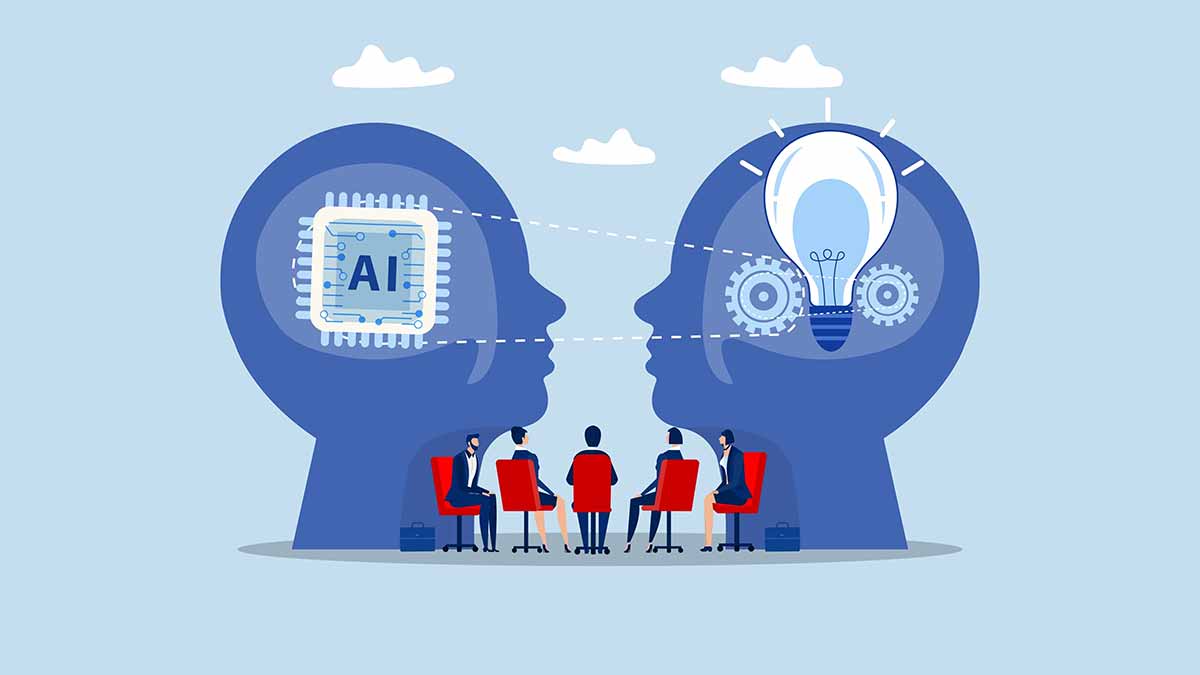
Despite concerns that AI will increase unemployment, chief executives are restructuring workforce plans rather than cutting jobs.
Of the 1,200 CEOs from 21 countries surveyed, only 20% said AI would lead to job cuts, down from 46% in 2024. Almost everyone (99%) expects AI to change their workforce strategy over the next three years.
EY Parthenon research found that leaders are positioning AI as an enabler of productivity and growth, rather than viewing it as a replacement for talent.
42% of leaders anticipate large-scale reskilling and upskilling of existing employees, and 44% are proactively redesigning roles to combine human and AI capabilities.
However, talent constraints remain one of the biggest barriers to realizing the value of AI. One in five CEOs (20%) surveyed cited limited AI and data skills within their existing workforce and insufficient leadership capacity to manage AI-driven change as their top talent-related challenges, reinforcing the need to invest not only in technology but also in leadership, skills and operating models.
“CEOs currently do not see AI as a replacement for human labor,” said Andrea Guerzoni, Global Vice Chairman, EY Parthenon. “As AI becomes embedded throughout the enterprise, there is an increasing demand for talent with deep domain expertise and AI literacy.”
“The real risk is not widespread job losses, but a widening skills gap. Without continued investment in reskilling and workforce transformation, organizations will struggle to realize the full value that AI can provide.”
While 80% of CEOs responding to our quarterly survey plan to increase their AI investments in 2026, only 1% expect to reduce spending this year. Half of respondents (48%) are pursuing acquisitions or divestitures to facilitate access to technology or AI capabilities.
Chief executives also reported that AI is now starting to have a tangible impact on their companies in areas that drive growth, such as customer value creation (42%) and innovation (40%), along with operations (41%) and strategy (41%).
But while AI has a tangible impact on businesses, a fragmented and evolving regulatory framework has emerged as a key constraint to scale. 30% of CEOs say AI regulations have increased compliance and operational complexity, and 38% say fragmentation and the evolving nature of regulations are barriers to effectively scaling AI.
Unsurprisingly, geopolitical uncertainty is front and center for CEOs, with 56% identifying it as the most significant risk to their business in the year ahead, an increase of 28 points from September 2025.
The impact is clear to respondents, with 46% saying a sustained energy price shock would create significant headwinds for their organization. However, unlike in previous crises, CEOs do not see current macroeconomic instability as a reason for cuts.
82% said they prioritize sustainable long-term growth and a clear path to profitability over rapid market expansion.
Gerzoni added: “Despite the ‘fog of war’, CEOs are not downsizing. The experience of the past decade has further integrated risk and uncertainty into decision-making, sharpening the focus and ambition of where and how to invest for growth. Leaders are recognizing that volatility is structural, not temporary, and in response, they are prioritizing adaptability, market continuity and long-term growth through disciplined execution.”
Sign up for our weekly roundup of HR news and guidance
Receive the “Human Resources Today Direct” e-newsletter every Wednesday
Recruitment and resource opportunities at Personnel Today
See more recruitment and staffing jobs