
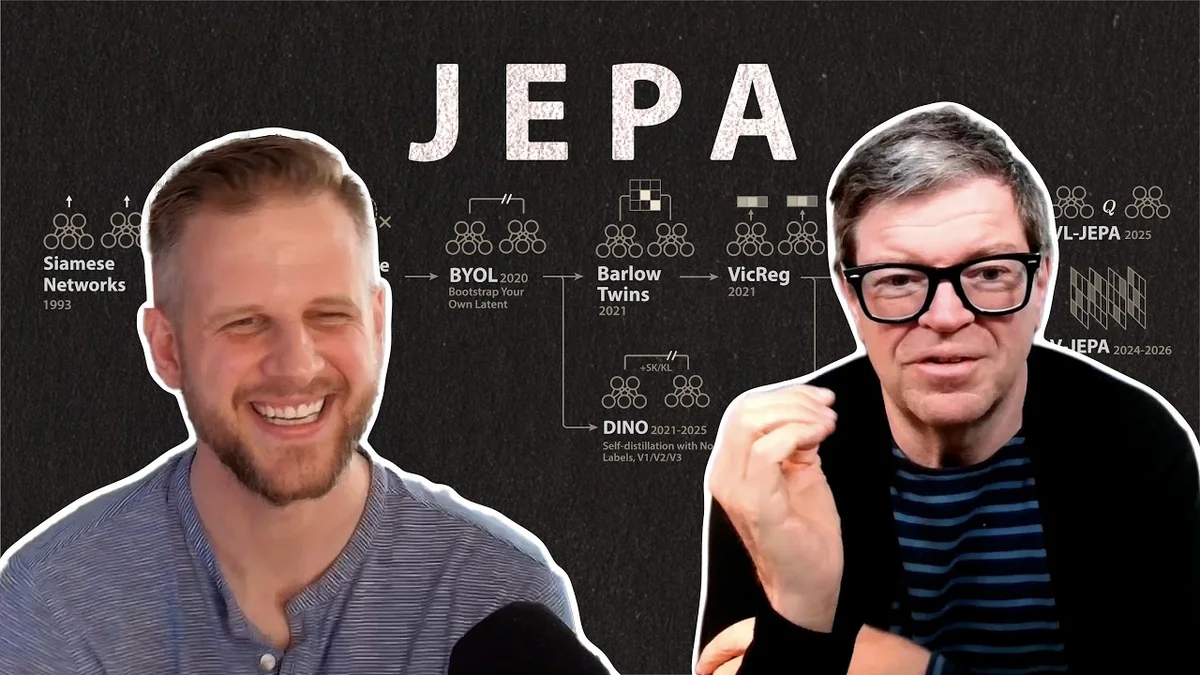
Yann LeCun, a Turing Award-winning AI researcher and leading figure in meta-AI, advocates for a new approach to building artificial intelligence that moves beyond the dominance of current language models. In a recent discussion, LeCun outlined a vision for a more comprehensive AI architecture called the Joint Embedding Predictive Architecture (JEPA). He believes this is essential to developing truly intelligent agents that can understand and interact with the world in more human ways.
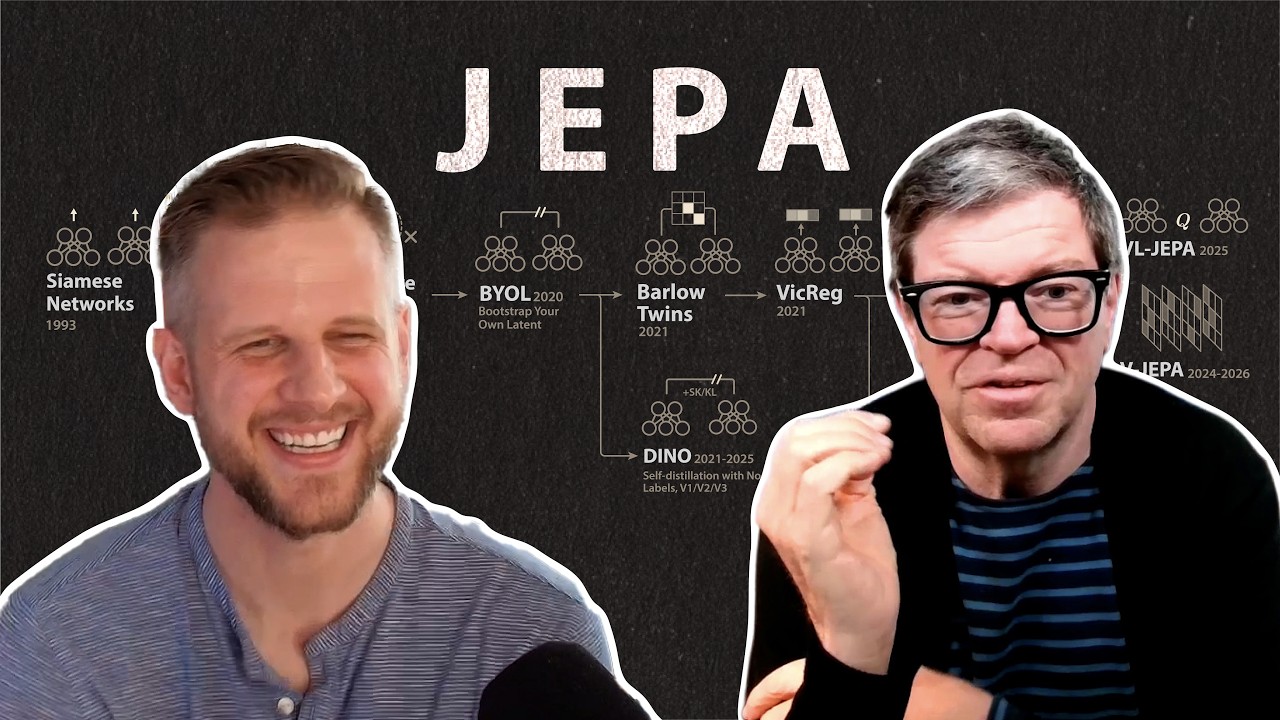
AI’s language-centric trajectory
LeCun, known for his pioneering work in convolutional neural networks (CNN) and deep learning, expressed concern that the current AI paradigm, which relies heavily on large-scale language models (LLMs), is reaching a plateau. He argues that while LLM is great at producing human-like text, language-only training is fundamentally limited. This focus, he suggests, prevents us from truly understanding the physical world, cause and effect, and the nuances of sensory experience.
JEPA’s promise
As LeCun explains, JEPA aims to address these limitations by building models that learn representations of the world that are invariant to transformations. This means that rather than simply predicting the next token in a sequence, the model learns to predict what will happen next and plan actions across multiple levels of abstraction. He explained that this approach allows AI to learn rich visual representations, improving performance on tasks such as image classification and providing a deeper understanding of the world.
Beyond static data
LeCun emphasized that current models often rely on large, curated datasets of labeled images and text. Although these methods have yielded impressive results, they are inherently limited in their ability to capture the dynamic and interactive nature of the real world. In contrast, JEPA, like humans and animals, learns from its interactions by predicting the future state of the world based on its current state and actions.
Challenge to the collapse of expression
LeCun pointed out that the main challenge with current self-supervised learning methods is the risk of representational collapse. This occurs when the model learns trivial representations that don’t actually provide information about the world. JEPA aims to overcome this hurdle by incorporating more predictive, world modeling approaches, enabling AI systems to achieve a more robust and generalizable understanding of the environment.
The future of AI architecture
LeCun’s vision for JEPA represents a significant departure from the current LLM-centric approach to AI development. He believes that by focusing on learning world models and predictive capabilities, JEPA can pave the way for more capable, truly intelligent AI systems that can reason, plan, and interact with the world in ways that current models can only dream of.


