
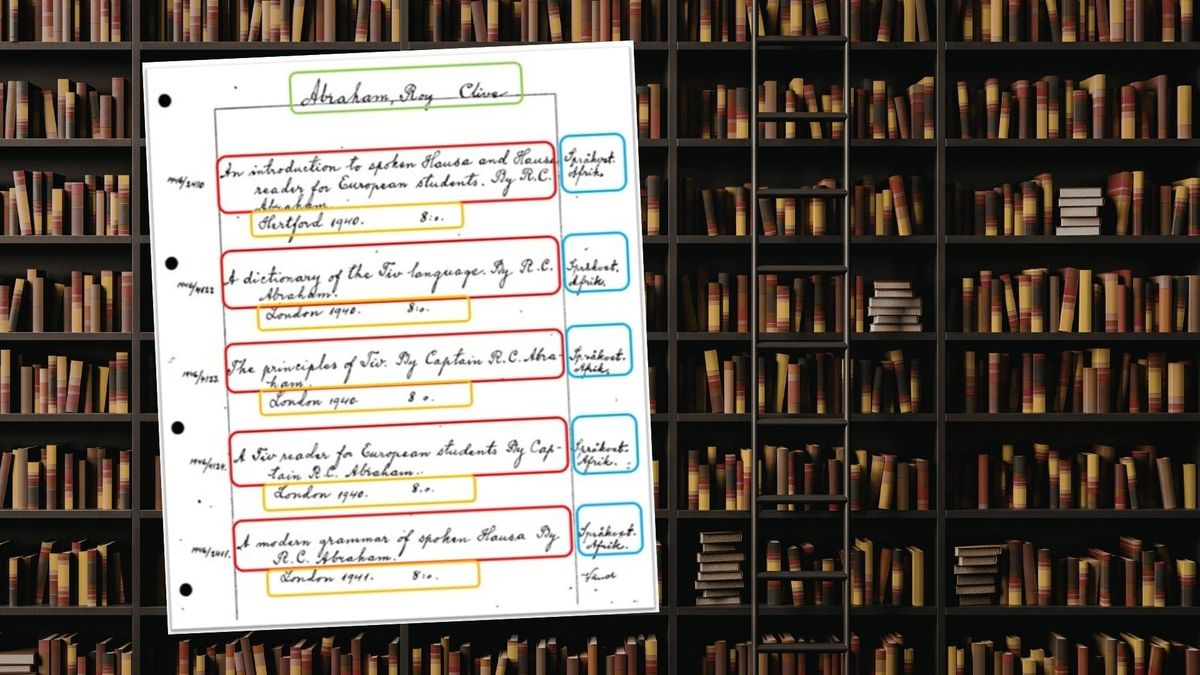
- Uppsala University Library used AI to digitize its handwritten book catalog.
- The work required more than 10 years of manual labor and was completed in much less time.
- This material is now easy to find and use for researchers and the general public.
Uppsala University Library has digitized its handwritten catalog and made its 350,000 holdings records searchable in Libris, Sweden’s national library catalogue. This material is now also accessible through the library’s own search service.
How the technology works
The library used an AI model to transcribe a handwritten catalog known as Catalog 62 and extract digital metadata about authors and titles. The AI model was trained to recognize different areas of the catalog that contain important metadata and to interpret handwritten text.
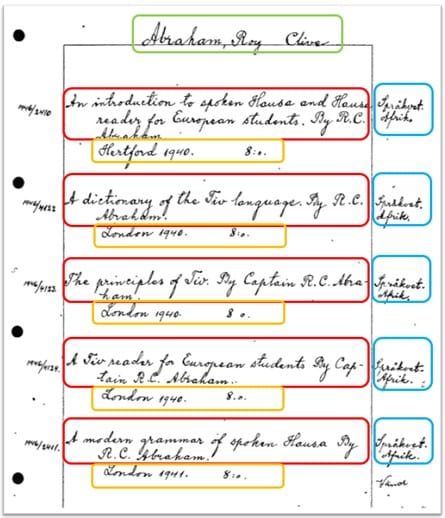
The metadata was then matched against existing information in Libris. Holdings records were added automatically through the API. The result is an XML file with the extracted metadata separated by region.
10 years of work reduced to a short period of time
Karin Byström, the initiative’s project manager, said the work involved more than 10 years of physical labor and would not have been possible by hand. She describes the automated approach as labor-saving, saying it has made the search-to-order journey much smoother for users.
Collaboration between university libraries
Uppsala University Library is collaborating with the university libraries in Lund and Gothenburg and is running a similar project on old catalogs in parallel. Karin Byström says that developing methods jointly is valuable and an effective way to leverage each other’s expertise.
better conditions for research
Head Librarian Johanna Hansson says this initiative will make the collection more visible and accessible, creating better conditions for research. This is both about more efficient working processes and about making Uppsala University Library materials available to more people to find and use.
next step
This work will continue until fall 2026, creating new bibliographic records for books that don’t already exist in Libris. This means that additional parts of the collection, often unique, rare or old pieces, are made available in digital format for the first time.
Wally
WALL-Y is an AI bot developed by Claude. learn more About WALL-Y and how to develop her. You can find her news here.
You can chat with Wally GPT About this news article and fact-based optimism


