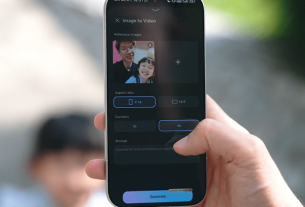
The generative AI landscape is rapidly changing from creating still images to video models that can create cinematic content with movement, sound, and narrative coherence. The most exciting developments in 2026 are: Seadance 2.0an advanced multimodal AI video generation model developed by ByteDance. Seedance 2.0 is a major milestone in creative automation and storytelling, with the ability to transform text, image, audio, and video references into highly realistic, seamless clips.
What’s unique about Seedance 2.0?
Unlike previous generations of AI video tools that primarily focused on short, visually interesting clips, Seedance 2.0 Multimodal input and deep creative control. Supports up to nine reference images, three video clips, and three audio files and text prompts in a single generation session, giving creators unparalleled flexibility.
The core strength of this model is that Integrated audio and video co-generation architecture. Generating sound and visuals simultaneously creates immersive content where movement, lighting, and sound dynamics interact realistically. This synchronicity elevates AI video from novelty to practical tool for creators, marketers, and filmmakers.
Advances in cinematic AI video
One of the most talked about aspects of Seedance 2.0 is Multi-shot cinematic sequences with native audio sync. Rather than just creating a single independent clip, this model can generate sequences of interconnected shots with consistent character, framing logic, and pacing.
This advancement represents a broader shift in how AI video models are evaluated. Content creators are increasingly concerned with whether AI tools can maintain consistency. throughout the sequencerather than just creating a visually impressive frame. Stability of motion, continuity of lighting, and situational camera movement are now considered essential to professional workflows.
Reference-driven workflow
Seedance 2.0 no longer relies solely on text prompts; Reference First Creation Paradigm. This means creators can anchor ideas using existing media, such as images or short clips, and have the model interpret those references into dynamic sequences. This approach improves output consistency and reduces guesswork during generation.
By using concrete references to guide AI, artists and filmmakers can achieve more predictable results and tie creative intent more closely to the final output. This level of control is especially useful in commercial environments where visual consistency is important, such as branded content or narrative storytelling.
Enhanced motion and camera logic
Seedance 2.0 focuses on: Reliable motion and camera logic. Early entrants to AI video often suffered from choppy motion, choppy transitions, or inconsistencies between frames. However, Seadance’s model shows that: Fluid motion synthesisgiving the generated video a lifelike quality that matches real physical behavior.
This includes natural camera movements that adhere to cinematic conventions, such as pans, tracking shots, and controlled reveals. As a result, the resulting footage feels less like random visuals and more like intentional cinematic language, opening the door for use in previsualization, promotional films, and even narrative filmmaking.
Native audio and lip sync
Another major innovation of Seedance 2.0 is Native audio generation and synchronization. This model creates audio to match visual movement and interaction, rather than adding sound in a separate post-production stage. This includes precise lip-syncing of characters across multiple languages, mood, and musical rhythms that reflect the emotional pace of the scene.
For creators working on social media content, educational videos, and brand storytelling, this streamlines the production pipeline, reduces the need for external audio editing tools, and greatly streamlines workflows.
From marketing clips to movie previsualization
Practical applications of Seedance 2.0 span a wide range of industries and creative areas.
- marketing and advertising: Generate high-quality promotional videos from simple prompts and visual references. AI-generated content can turn your product photos into dynamic showcases with movement and sound in minutes.
- social media content: Create cinematic clips for platforms like Instagram, TikTok, and YouTube without using a traditional camera or editing software.
- Pre-visualization for movies and animation: Directors and animators can use AI video to explore story ideas, storyboard sequences, and prototype scenes before embarking on full production.
- Educational and tutorial videos: Turn static lessons into engaging narrative visuals to increase learner engagement.
These features help democratize video production, making high-quality cinematic visuals available to creators who lack traditional filmmaking resources.
Challenges and ethical considerations
With great power comes great responsibility. Seedance 2.0’s ability to generate realistic human caricatures and voices also drew criticism. Major studios and creators have expressed concerns about the misuse of intellectual property and unauthorized copying of actors and characters. In some cases, AI-generated celebrity-like clips have come under legal and ethical scrutiny.
These discussions highlight that while AI can enhance creative workflows, developers and users alike must carefully walk ethical boundaries while balancing innovation while respecting copyright, personal identity, and industry standards.
The future of AI video workflows
As generated video technology continues to evolve, the focus is shifting from discrete visual experiments to tools that fit into real-world creative pipelines. Seedance provides services that embody this change. Integrated, controllable, cinematic video generation Supports iteration, composition, and creative improvement.
Whether you’re a marketer looking to create compelling visual ads or a filmmaker considering pre-production tools, Seedance 2.0 shows that AI video generation is entering a new era, one where consistency, structure, and creative control are just as important as stunning visual effects.