
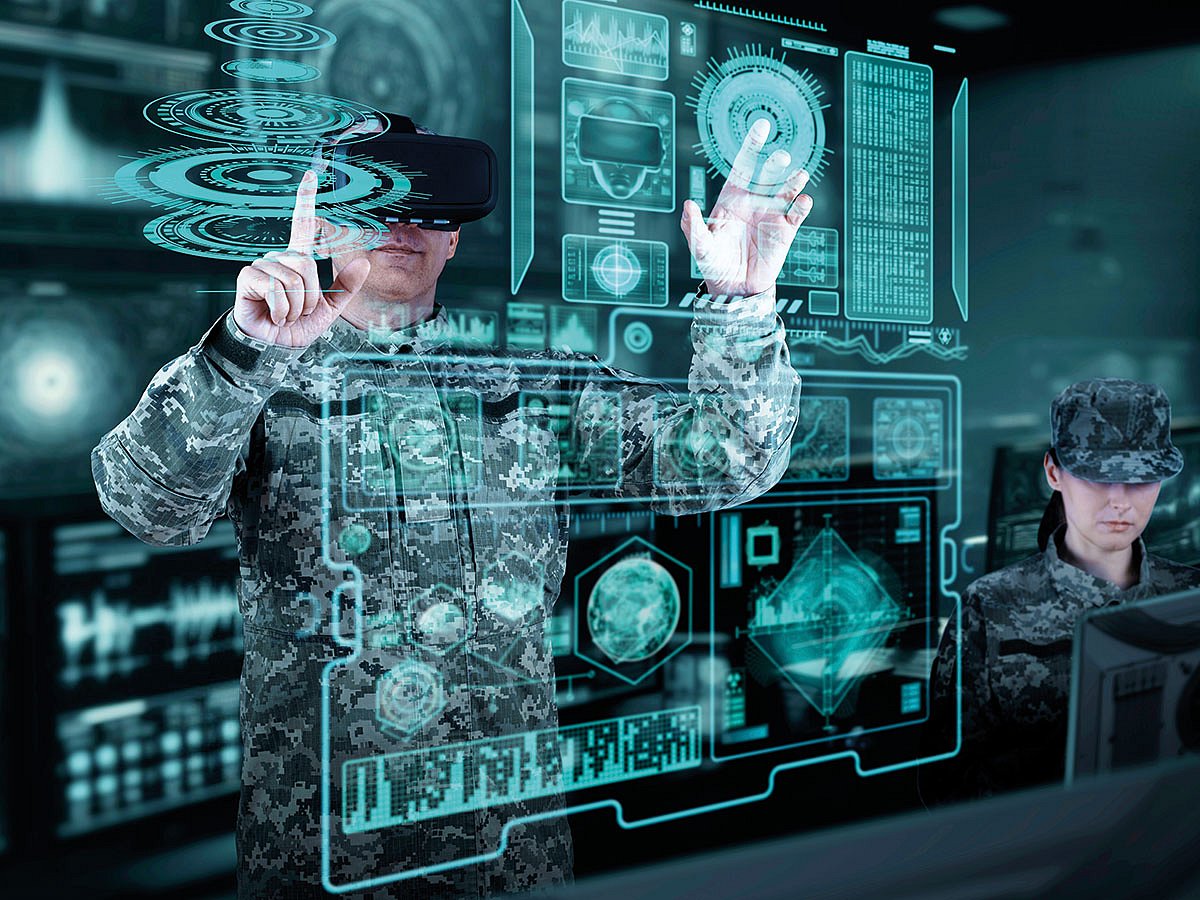
Artificial intelligence (AI) is advancing at an incredible pace, permeating multiple fields with machines capable of simulating human abilities, from collecting and analyzing information to drawing conclusions and making decisions. This rapid advancement is reshaping both civilian and military concepts as technological development continues to expand without clear limits. As technology leaders and major powers race to integrate AI into military systems without established rules to reduce violence and create a more peaceful world, it is becoming increasingly difficult to ignore or simply observe these advances.
The development of drones, AI-enabled weapons, and unmanned vehicles with advanced navigation capabilities has significantly increased the role of AI in warfare. The integration of autonomous AI systems and military equipment enables the development of operational plans, recommendations and deployment of weapons, and management of intelligence, information operations, and cybersecurity. This allows attacks to be executed faster than the pace of human decision-making.
Limits of AI in war
One of the main limitations of AI in warfare is its inability to reliably distinguish between civilians and combatants. For example, smart missile systems often lack the ability to distinguish between civilian and military gatherings. This increases the risk that civilian institutions and citizens will be targeted in violation of international humanitarian law, resulting in significant human and material losses. Moreover, the biases built into these systems can influence decision-making processes and lead to major humanitarian disasters.


