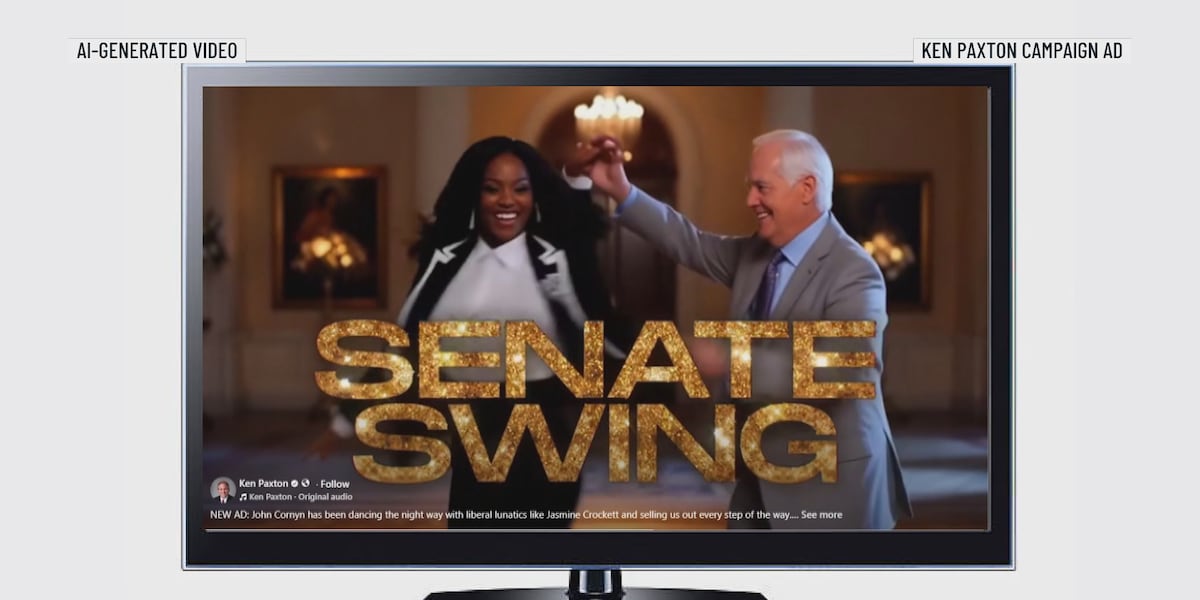
COLLEGE STATION, Texas (KBTX) – As the first week of early voting ends, more Americans are encountering political photos and videos online. However, with the advent of artificial intelligence, it is becoming increasingly difficult to tell what is real and what is fake.
Fake political videos are flooding social media, with experts warning of digital deception during the crucial election period. Mariano Castillo, a media literacy professor at Texas A&M University, offers guidance on how voters can protect themselves from manipulation.
Understanding misinformation and disinformation
Mr. Castillo emphasized the importance of understanding two important terms: misinformation and disinformation.
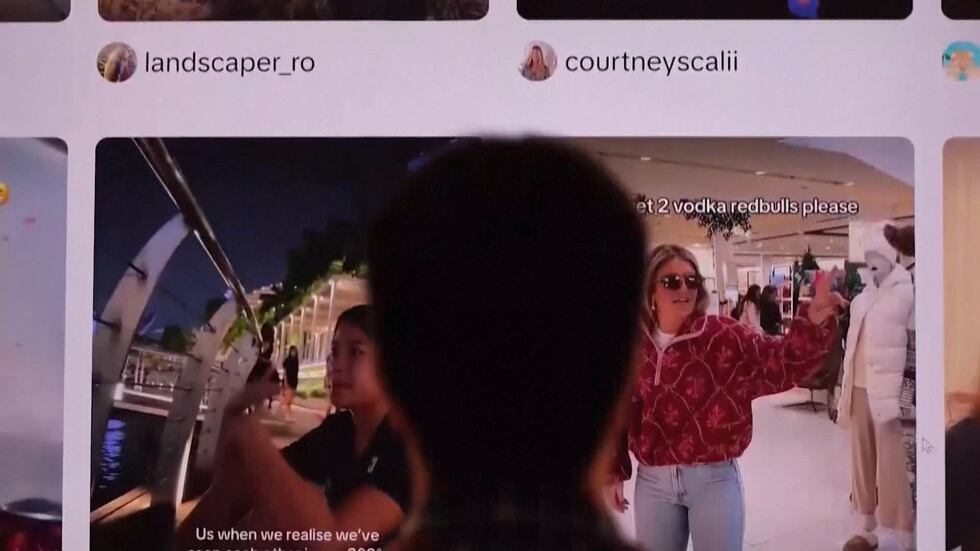
Misinformation is incorrect information that is shared by mistake. But disinformation is false information intentionally spread to deceive, Castillo said, and with the advent of AI, disinformation is easier to create than ever before.
Red flags to watch out for
When evaluating political content online, Castillo recommends checking the track record of the source.
“Are they local? Do they know my community? If they make a mistake, do they correct it? Are they transparent about how they do their job?” Castillo said.
Since AI went mainstream in 2023, the technology has advanced significantly. Early deepfakes and AI were easy to tell apart, as they often featured extra fingers or a distorted appearance. Today’s AI-generated content is much more persuasive, but the telltale signs are still there.
Castillo advises paying close attention to a person’s natural features, especially their eyes, fingers, and lighting. Unnatural or shiny features are perfect evidence of AI manipulation.
Recent examples demonstrate the sophistication of modern AI technology. An AI-generated video of Republican Sen. and Senate candidate John Cornyn and Democratic Rep. and Senate candidate Jasmine Crockett dancing together went viral, but that didn’t actually happen.
“Start by asking yourself, does this make sense?” Castillo said. “Does it make logical sense for these two political opponents to dance in front of the Capitol or dance in a ballroom? And you say, ‘Yeah, probably not.'” And that’s the first flag for deeper consideration. ”
If something irritates you, please pause
Castillo said AI-generated fakes often target specific audiences and provoke anger, a phenomenon known as “anger baiting.” If you get angry after watching political videos on social media, that’s a red flag.
“Pause and look at other news outlets that have covered the same story before you share it, before you repost it,” Castillo said. “If you had some additional context, you might realize that maybe the video was designed a little bit to get your heart rate up or make you a little bit upset.”
Verify using reverse image search
If you’re still unsure about the authenticity of your content, use reverse image search.
- Go to Google Images and click on the camera icon
- Upload a photo or video screenshot
- Google will show you where else an image appears online and whether trusted sources have confirmed its authenticity
“Some of these images have been fact-checked by other news organizations,” Castillo said. “If we’re lucky, we’ll pull an article from another fact-checking outlet and say, ‘Oh, we looked into this, we got to the source, and it turned out to be fake.'”
Free AI detector now available to the public
Bottom line: Use common sense.
Castillo’s advice is simple and straightforward. Please use common sense. If something looks wrong, it probably is.
Look for labels, watermarks, or fine print that might indicate AI-generated content. Remember to take a moment to think critically before sharing or reposting, because anything that evokes an emotional response may be fake.
Copyright 2026 KBTX. Unauthorized reproduction is prohibited.