
ⓘchinadaily.com.cn
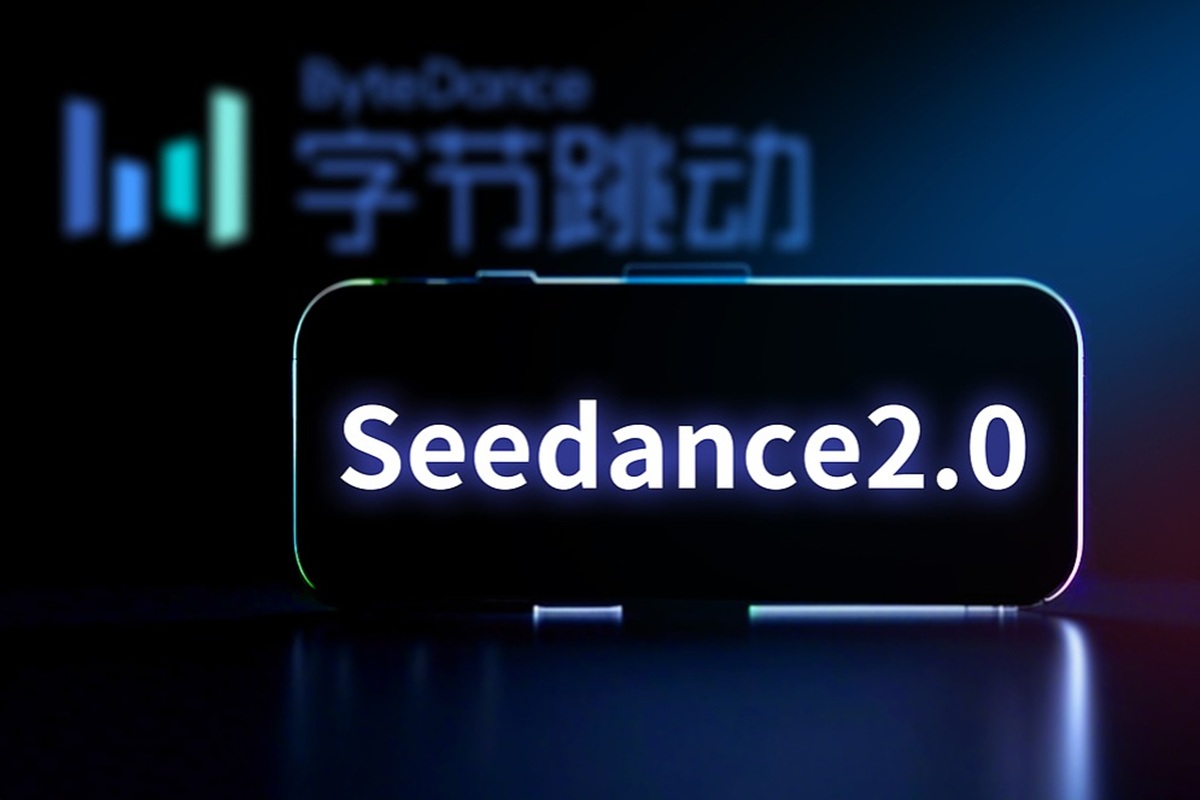
ByteDance is facing a rapidly growing backlash from Hollywood after the debut of Seedance 2.0, an AI video generator that can create clips from text prompts. ByteDance is positioning Seedance 2.0 as a “cinematic” model that can also use reference inputs such as images, audio, and video to shape the output.
According to third-party media, the tool is currently only available in China.
Copyright complaints center on training data and output
The Motion Picture Association of America (MPA) claims that SeaDance 2.0 is enabling large-scale unauthorized use of US copyrighted works, and has called on ByteDance to cease its allegedly infringing activities.
Separately, SAG-AFTRA also condemned the tool, saying it facilitates the unauthorized use of performers’ voices and likenesses and raises consent issues for working actors.
Disney and Paramount’s request for cancellation has been reported but not made public.
According to external media reports, Disney and Paramount have sent a cease-and-desist letter to ByteDance in connection with the alleged infringement of the SeaDance 2.0 output, accusing the company of distributing or reproducing protected intellectual property through the videos produced. These letters have not been made public in their entirety, so specific claims are currently based on reported accounts rather than documents that readers can directly confirm.
ByteDance says changes are planned, but details are unclear
ByteDance said it respects intellectual property rights and is “taking steps” to strengthen safeguards to prevent users from generating content based on unauthorized IPs or likenesses. As of the latest statement cited in the report, ByteDance did not provide details on what new protections would be added or when they would be rolled out.

I’m a technology editor and journalist with over 20 years of experience covering everything from cutting-edge smartphones and AI breakthroughs to gaming hardware and future technologies. I’m passionate about making complex technology accessible, relatable, and genuinely interesting. Especially if it affects the way we live, work, and play. Outside of journalism, I’m also a writer who loves psychological thrillers, horror, and emotionally honest storytelling. My books include Drowning: The Island Saga Book 1, 3:33 am: The Island Saga Book 2, The Midnight Murderer, Keywritings of Vengeance, and the no-filter self-help guide Life’s Too Short For This Sh!t! Whether I’m writing a page-turning mystery or a personal insight, my goal is to connect, provoke thought, and leave an impact. Inspired daily by my daughters and shaped by years of media work and personal growth, I bring purpose, curiosity, and heart to everything I write, whether it’s technology or fiction.