0:00 spk_0
All right. Welcome to a new episode of Opening Bid Unfiltered. I’m Yahoo Finance executive editor, Brian Sazi. Uh, and like I always say, this podcast will make you a smarter investor, a smarter leader, and you’re gonna get smarter about content creation in the business of podcasting after this episode. Uh, Janine Wright is here, co-founder and CEO of Inception. AI, um,Wow, I, I’m blown away, Janine, by.What your company is working on, I level set for us, before we get uh too much into your career and what you’ve done, take us through what you are building at your company, cause I, I was telling you before we even come on here, I, I’ve never seen something like it before.
0:38 spk_1
Yeah, I mean, our thesis is that AI personalities are going to become the primary interface between artificial intelligence and humans, and what we’re building is the systems that make those personalities possible. So, turning this kind of personality intelligence into something um that humans can actually use, and we started in audio, we started with podcasting, that’s where the tools were best first, and that’s where a lot of ourUh, expertise was, and then now we’ve, of course, evolved into, um, video and real-time personalities.
1:13 spk_0
I should say that is inception point AI, which I guess brings up the bigger point that maybe I should be a robot. Um, maybe we should be creating these podcasts, uh, in, in robot form, but, so take us through, you know, I’ve spent some time on your, on your network. What is it, the, the Quiet Place Network, and I, I say I’ve been blown away. Um, I, I see what you’ve created with various.Um, is it an avatar? How do you even think about what youcreated?
1:39 spk_1
I mean, we call them personalities, um, even internally we anthropomorphize them quite quickly. Now we have, um, I think the last count is about 120 of these personalities that we’ve created.Um, in all sorts of different kinds of niches. So everything, of course, as you mentioned, from personal finance, home and garden, travel, um, health and wellness, beauty, I mean, all, all of the different kinds of genres. We now at this point, if you look on Apple Podcasts, we have at least one personality speaking to every genre, um, that is categorically available on, on Apple and Spotify.Uh, and we, you know, design the personality from scratch, the same way that like Disney would design, you know, Moana or Electronic Arts would design the lead character for its next, you know, roleplay game, uh, we give them complicated backstories andUm, quirks and strengths and weaknesses and hopes and dreams and aspirations and families, uh, and then we, um, very dynamically are able to continue to create content for them, and we find their audiences and respond to what their audiences want, and these characters kind of evolve, um, over time in the same way that traditional content creators do.
2:53 spk_0
I really went down the rabbit hole with uh Penny Power. Penny Power has Instagram, has an Instagram page. Uh, I spent 25 minutes listening to Penny talk about, uh, how to side hustle like a pro, but, and she started the episode about 10 minutes explaining why she might be better at, at digging up these trends than let’s say me or another or a personal finance expert. Like there she is able to.I guess analyze real-time data, uh, what’s emerging in terms of a side hustle, and get this context out before anyone else. I, this is huge, it’s, it’s really a big breakthrough.
3:31 spk_1
So certainly like the depth of the research that they’re able to do um based on being able to pull from multiple different LLMs, multiple different data sources, and the capabilities for being able to do it real time, um, are a significant advantage over.Real life living creators and the traditional, um, content creation workflows that we saw in the past. So, you know, for example, through this weekend, we were doing all sorts of content, um, about ICE in Minneapolis and, you know, all of the different, um, kind of news, news topics that are trending, uh, and that’s, it’s very difficult in content creation for people to do real-time content creation the way that we are able to now. We can also, um,Hyperlocalized, hyperpersonalized, and we can produce in a number of different languages. So that’s certainly an advantage. Um, but we are, as you mentioned, AI transparent. I mean, we are, um, very forward with the fact that this is AI generated content. People know what they’re getting, and that’s important for us in being able to create an authentic relationship with our audience and make sure that we have the trust of our audience. So we tell people that it’s AI generated content, both in always in the show notes. And if theContent is longer than what we call snackable content. If it’s longer than a few minutes long, then we will also do an audio disclosure. So it’ll say something about, you know, why you might be a benefit that it’s AI. So, you know, if it’s going to talk about politics or something, it’ll say, and I might be AI, but I’ve never taken any money from a super PAC, and I actually know the facts, or, you know, something, we try to be clever with it, um, to, you know, say to the audience that this is AI, you know what you’re getting, and you can take it for what it’s worth.
5:12 spk_0
I should also know that I watched or listened to a John Barnaby Thatch on the British British monarchy. I really, I got a hook. I, I told you I really went down the rabbit hole of this. So how does, how do these segments come about? I think about a, a traditional newsroom or how we, let’s say, operate in I’ll find.You know, there’s a, there’s a news topic, and we wake up in the morning, we assign out that story, get a tech story, we think about it on social media, how do we cover it on on Yahoo Fines Network? How do we cover it in podcasts? Is that how you come up with these things internally?
5:44 spk_1
It’s very, very similar, except we’re leveraging AI at every stage of the process that we can. So we are using AI agents that we have created that help us aggregate, um, information from a bunch of these different news sources or trending reports. What are people asking their smart speakers? What are, what are they, what are people googling? What are they putting into AI, um, and then that helps with, then we are able to cross-check, um, that against, um, how different topics are and titles are trending, um.So then we’re able to, you know, create content that is very timely, that there’s a a need or desire for, um, and then title it so that people are able to find, um, that content very easily.Um, and we, we have creators, we have creators who, um, consider themselves storytellers who would love to, they love their craft in the same way that I think traditional creators do, but they’re very much leaned into leveraging these AI tools, and we think of them as the most powerful creator tools that have ever been created.Um, to help them with their creative process. So they’re using them to help them with ideation, to help them with, um, building out stories, to help them find, um, underexplored niches, um, to help them evolve, you know, using the data feedback loop and the AI insights to help these characters evolve to better resonate with the audiences that they’re trying to attract.
7:09 spk_0
Yeah, uh, two part question. How many, how much content are you creating in a given week in each episode? Is it, are you making money on each episode?
7:18 spk_1
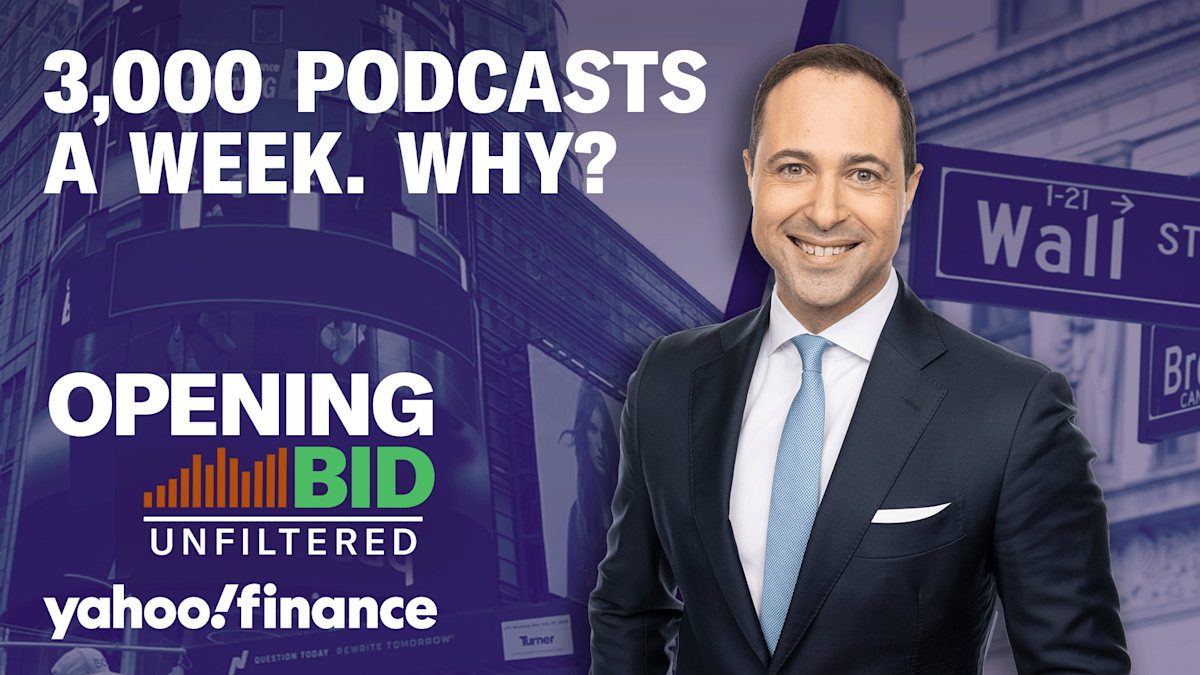
Yeah, so we, because our production costs are very low, radically low compared to traditional content creation, we, on the audio side, we create podcast content for about $1 an episode. Um, to date, we’ve made more than 200,000 podcast episodes. We’re now the largest independent podcast, um, company by volume. We have about 5000 active shows, and every week we’re creating about 3000 podcast episodes.And on the video side, we’re now um on Instagram and YouTube, and so we’re creating hundreds of new um video episodes on a weekly basis also.
8:00 spk_0
Is that the next frontier for you in video?
8:03 spk_1
Yeah, so I mean, video, what, what we see in content trends is that you really need to meet your audience where they are. And it used to be that people would pick very bespoke platforms for their content consumption. You know, I want to watch this stuff on TV. I want to listen to this stuff on the radio. I want this kind of stuff for my podcast. But what we found is that now people want and expect their content to be able to float with them through the day.And be available to them in the manner in which they want to consume it. So you might have somebody who starts in the morning at the gym listening to something on the podcast, but then they’re in their car and they want it on CarPlay, and then they get to the office and they want to be able to have it on YouTube in the background, and maybe they get home and they want it on their smart TV, um, or to listen to it on their smart speaker while they’re cooking dinner.You know, so sometimes people want to lean into a video first experience, sometimes they want an audio first experience, and they want that content to be able to be device agnostic and to just, you know, transition with them throughout the day. And so we must be multi-platform, multiformat in order to meet our audiences where our audiences are today.
9:14 spk_0
Hey, you’re creating a ton of content each week, if not even per day. Is all of it being digested? Is it even such a thing as creating too much content?
9:24 spk_1
Yeah, I mean, really what we’ve found on the podcast side, sometimes we think about ourselves as, um, an audio version of Reddit or Wikipedia or Pinterest. We do, um, a lot of what’s what’s called edutainment, um, so like there’s an education aspect of it, but we do it in kind of an entertaining way, and we believe that in the past, you weren’t really commercially, um, able to make this kind of kind of content, because if you didn’t get a big audience, you weren’t going to be able to monetize it.But because our production costs are so low, if I get, I don’t know, a couple of dozen people who listen to a podcast episode, I’m already reaching profitability on that episode.And so that means that I can target this like bunch of green field areas out there, um, that people have not targeted before, and that now people who have grown up audio first, you know, are wanting to consume this content, and they’re no longer thinking of it as like, oh, podcasting is just for, you know, long form interview or investigative reporting. So for example, we’re answering more than 100,000 smart speaker questions a month.And people don’t even realize that what they’re listening to is a podcast because it’s delivered via RSS, um, but they are listening to a podcast by asking their smart speaker a question and us delivering the answer to it.
10:46 spk_0
Wow, um.Is the podcast model broken?
10:52 spk_1
Yeah, I’ve talked about this a lot before. I mean, I think that the historic podcast model that is very focused on being a hit making business and trying to get tens of millions of viewers on every show in order to be able to effectively monetize it.Um, I think that the where production costs are today, it’s very difficult for podcasters following that traditional model to, um, to make money. You know, the overwhelming majority of podcasts, uh, don’t get anywhere near the kinds of traffic that they would need in order to monetize today at the, at the cost of creating that content.
11:32 spk_0
All right, we’re gonna go out for a short break here on opening bid unfiltered. We’ll be right back.All right. Welcome back to Opening Bid Unfilter. Having a fun chat here on AI and podcasting with Janine Wright, co-founder and CEO of Inception Point AI, um,Why are you so passionate about this?
11:55 spk_1
Oh, well, I love creating content. I love um being, I, I always kind of pride myself at being at the forefront of adoption of new, new technology and new trends. I think that that’s a really fun place to to a space to play in, um, and this kind of like brings all of those things together for me. It was really just like the perfect combination of my background.And it’s kind of a funny story because I left Amazon about 2 years ago, and my intention was to serve on boards and to start something new. I had previously built a company in the podcasting space and grew it and sold it to Sirius XM, so I knew that I wanted to go on this like early stage company, um, growth journey again, but didn’t have my idea. And so I was out, you know, looking for my idea, I had a little team that I had formed, and we wereUm, you know, stacking them up and knocking them down on what our different ideas could be of something that we could build, and I got what I describe as the craziest email of my life. Um, I got an email that said that this, this person that I used to know because he was a customer of ours at Simplecast, my previous company, um, he said that he had taken all of his LinkedIn contacts and put them in AI and asked AI who the CEO of his company should be, and it had said me, and he thinks we should have lunch.Uh, and I said, it’s hard to say no to an email like that, yeah.So we went to this lunch and uh and it just blew my mind. I mean, he’s so AI forward that he brought Claude with him to the lunch, and he said, you know, here’s all the things that Claude says that I should say to you to convince you to come join my team, um, and I said, you know, well, what are all the things I should say if I want to play hard to get? We ended up like having this like three-way meeting with me, him, and Claude, um, and thatI think really exemplifies just the way that we do business. Like we’re very AI forward, um, we think about, you know, AI as our companion, what all could we do to make every process easier? What is AI good at that we should lean into, what, um, what might be its weaknesses that we need to mitigate.Uh, so, I mean, after I had that lunch, I came home and I immediately called my little team and I was like, we found it, like we need to jump on board. Um, and so we joined last summer. We came out of stealth in September and, uh, it’s been a, a crazy journey. Four months later, um, we just this morning announced, uh, that we’d raised our seed series fund, fundraising, um, from a fantastic firm called Activate Venture Partners out of New York, uh, and now we’re.Yeah, thank you. Now we’ve got the, the fuel in the tank that we need to really make this thing incredible.
14:42 spk_0
I was gonna say, uh, I didn’t, I didn’t see that you had raised money, uh, you know, several months ago, so I, you know, I’ve been trying to follow your story to the extent that extent I could. Um, what is it? I mean, I, I’m thinking like, are you making these episodes for $1? Are you’re creating thousands of these things, like that’s like one of the perfect business model. Like what if, what do you get asked that? What if you were asked that when you’re raising this funding? Like, what did, what did they want to hear from you, and, and what’s like the growth plan foryou?
15:10 spk_1
Yeah, I mean, uh, a bunch of the questions were around like, what is the market size of this opportunity? Like, is this a podcasting business, or is there a bigger business here? I mean, and as I started out on the top, I think we believe that this is very broadly applicable, that today, you know, uh, in the past it was websites, today it’s chatbots. In the future,The way that people will engage with the AI is through a human-like interface, and we will have the expertise in designing those human-like interfaces, those personalities, um, and in optimizing those personalities for the desired result. So if you’re working with, call it like a digital health coach, like can we optimize forA fantastic health outcome, right, if you’re working with a financial planner, can we optimize for the kind of financial results that you want? And we’re in the, we are building out the whole infrastructure to be able to design personalities at scale, personalize them, people be able to have dynamic, real-time conversations with them.Uh, and to be able to get that data and leverage that data and hone it to be able to then continue to customize, um, the results. So I think those were the things that got people excited. When we came out of stealth, you know, the first week we came out, there was certainly some backlash. I mean, some people who have strong thoughts and feelings aboutUh, AI in general, about, um, job displacement, you know, is what we’re doing good for humanity? How can we build in the space ethically? I mean, so a lot of those concerns, but then a lot of people who are really excited about the potential of being able to unlock some of AI’s capabilities by giving it a personality interface. And so we were invited to join Nvidia’s early startup program. So that was really exciting.Um, so, yeah, I think there’s certainly, there’s the people who get it, and they got it quickly, and we’re on board very quickly, and, you know, we were excited to have our round oversubscribed.And then there’s the people who um who like they, they don’t, they don’t get it yet, you know, they don’t yet see it.
17:28 spk_0
Should I, how much time you spend thinking that if someone like a a penny power represents a risk to society.
17:37 spk_1
A lot, actually. Um, so one of the things that I did at the beginning when we came out of Self is I said that I would make myself available to anybody who wanted to talk about what we were building. So I’ve had many, many conversations with creators, um, as I said, people concerned about job displacement.Um, and I’ve also had a couple of ongoing conversations with two people who, um, you know, are self-described ethicists, so that we can continue to have an ongoing dialogue about, um, you know, how do you, um, build thoughtfully, how do we have, you know, maybe some of the mistakes that we made in building and rolling out technology like social media, how do we not repeat those, um,And I’m, I’m very confident and comfortable with our, our team, and we are very values-based team, uh, the founders, we all, you know, have kids and we care about the world, and, you know, so we’re, we’re, um,We’re not just willy-nilly, you know, charging into how can we make the most money, the fastest, and the world be damned, right? We’re, we, we care about the way that we’re, we’re building, and so we’re trying to continue to have these conversations and have them influence our thinking.
18:54 spk_0
So right now you’re doing podcasts. Do you see this?Going this model applying to news where, look, I mean we get breaking news on on snow or uh geopolitics, and if you do see that is where we’re going, how do you put guardrails in place, just given the sensitivity, uh, sensitivities around those things.
19:14 spk_1
Yeah, we do do, um, we do news, we don’t do what we call hard news, um.I think there’s some areas where AI still is, uh, doesn’t always strike the exact right tone, doesn’t always get um context. So even if things are factually correct and evenIf we can mitigate against the risk of hallucinations by, you know, using multiple models and cross-checking them against each other, um, there’s still a risk that when people are going to be relying on this information for, you know, real-time decision making impacting their life, we want to be extra cautious there. Um, so anything that even verges on, you know, health advice or, um, is like aLike a breaking news kind of situation. We do have a human in the loop. We have a human review before it goes out the door. And we’ve also thought a lot about in the news category and in a couple of other categories, whether it makes sense to have a human curator ofThat content. So even if the human is not creating that content, they are, you know, uh, reviewing, endorsing, you know, it is somebody’s, uh, a real life human’s reputation that they’re, um, putting on the line and endorsing this content. Um, and we think that like that might be the most effective model in, in the kind of hard news space and a way that we can put those guardrails in place.
20:50 spk_0
I’m listening to you, Gene, and I can’t help but to think like this isn’t a great example of a new type of job being created. I mean, there’s so many fears about AI taking jobs. I mean, do you, do you share those fears? And I mean, of course, in some capacity, I mean AI is going to take a lot of white collar jobs, but I hear what you’re saying, and I, I, I can’t help but to think, wow, I need to get trained up and maybe curating various AI related content.
21:13 spk_1
Yeah, I mean, we’re hiring, we’re hiring creators, creators who love using these kinds of tools and are eager to learn how to use these tools, particularly like, um, AI video creators, AI audio creators, um, we’re hiring, um, tech folks, you know, so developers, AI developers, um, and then, you know, we’ll be working with, with other folks in this kind of curation space, um.So, I think it’s right that we are creating new jobs. Are we going to create as many jobs as the jobs that are being, uh, potentially being displaced by totally changing the production model?I don’t know, but I also think that there will still be space for real life authentic creators. I think, you know, the same way that when animated content started to become popular, it lived alongside real life content. It didn’t displace it. Um, so I thinkPeople will want, will continue to want real life human-created content, um, and then they will look to the AI generated content for different kinds of content and things that they wouldn’t be able to get from real-life creators.
22:28 spk_0
Uh, in the last part of the podcast, we always like to do a little bit of around the horn, a little bit of rapid fire question. Uh, when you’re, yeah, when you’re building a business like this, I mean, you’re creating a ton of content every day and you’re also building the business of it. Is there such thing as work-life balance? Does that exist?
22:45 spk_1
Oh, well, um, you know, lately it’s been tough. I don’t know if I, if I believe that work-life balance totally exists. Um, I can tell you that the best thing that I ever did from my career was marrying the person that I married, because I think, um,You know, having a supportive spouse means that I can take risks in my career. I can lean in when things are crazy, like you’re going through fundraising and early, uh, stages of building a company, um, and, you know, he’s able to, um, flex, uh, in times and ways that I’m not able to flex and vice versa when, when his role needs it. Um, so, I don’t know, I think, uh,Yeah, I think it’s, it’s a lot of work, and I think you have to surround yourself with the right people in order to make it work.
23:33 spk_0
The best career advice you got, and what was it?
23:38 spk_1
Um, the best career advice that I got was, uh,To be bold and be tenacious, you know, to, uh, take calculated risks with your career. There’s been a few times in my career when, uh, I made a jump that I think everybody else thought was crazy that paid off because it helped me level up or, you know, it gave me an opportunity to get in early with a company that then soared, um, and those became real inflection points in my career.
24:11 spk_0
Lastly, if we’re having this conversation 5 years from now, what does this business look like?
24:17 spk_1
I think if we’re having this conversation 5 years from now, I think that we’re not only making owned and operated content, um, so the content that you see across, um, all of the different platforms, but that we are working extensively with brands.Um, to help them design the personalities that they’re deploying into the world. We’re working with robotics companies to design personalities. Uh, so we’re, we are in a number of different verticals, um, and the primary way that people are engaging with AI is through a human-like interface.
24:54 spk_0
You have, I really, I love what you’re doing. I think it’s absolutely fascinating, and it is also it’s reminding me that I need some form of AI avatar of myself because while I’m having this conversation with you, I could have already put out an extra 1000 pieces and like help my company in some capacity. So, um, I get it, yeah, in
25:11 spk_1
200 different languages all over the
25:13 spk_0
different
25:13 spk_1
languages.
25:14 spk_0
I just, yeah, spread out 1000 different investing articles, uh, around the world. Um, looking forward to staying in touch, Janine. Uh, good luck in your road ahead. Uh, I will talk to you soon.
25:24 spk_1
All right, talk to you soon. Thanks so much.
25:26 spk_0
All right, that’s it for the latest episode of Opening Bid Unfiltered. I am the human Brian Sazi, not the AI avatar avatar Brian Sazi. Talk to you guys too. Appreciate the support.