OpenAI meets Italy’s Garante requirements, lifting Italy’s nearly month-long ChatGPT ban. The company has made some improvements to its service, including clarifying its use of personal data, to comply with European data protection laws.
A solution to this problem comes as the European Union approaches the enactment of artificial intelligence legislation aimed at regulating AI technology and that could affect generative AI tools in the future.
OpenAI meets Garante requirements
according to statement From Garante, Italy, OpenAI has resolved Garante’s problem and ended the almost month-long ban on ChatGPT in Italy.Galante murmured:
“#GarantePrivacy recognizes the progress #OpenAI has made in reconciling technological progress with respect for individual rights and hopes the company will continue its efforts to comply with European data protection laws. is.”
To meet Garante’s request, OpenAI did the following:
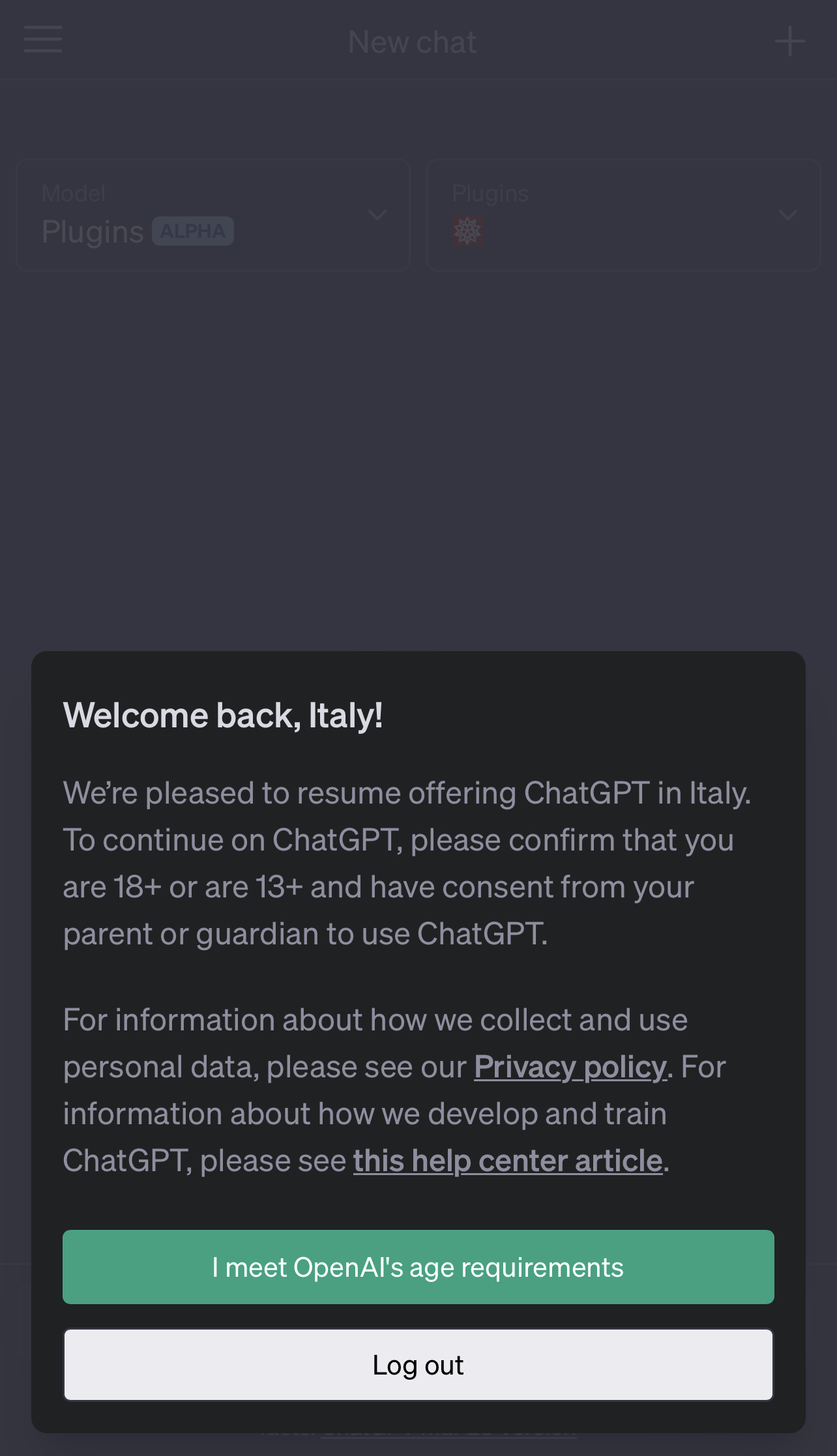 ChatGPT screenshot, April 2023
OpenAI has resolved this complaint, but it is not the only legislative hurdle facing AI companies in the EU.
AI Law Closes to Legislation
Before ChatGPT reached 100 million users in two months, the European Commission proposed the EU Artificial Intelligence Act as a way to regulate the development of AI.
Almost two years later, this week, members of the European Parliament reportedly agreed to move the EU AI law into the next phase of the legislative process. Lawmakers will be able to work out the details before going to the polls in the coming months.
The Future of Life Institute publishes a bi-weekly newsletter covering the latest EU AI law developments and coverage.
The FLI’s recent open letter to all AI labs to suspend AI development for six months attracted more than 27,000 signatures. Prominent names supporting the suspension include Elon Musk, Steve Wozniak and Joshua Bengio.
How might AI law affect generative AI?
Under EU AI law, AI technologies are categorized by risk level. Tools that can affect human safety and rights, such as biometric technology, must comply with stricter regulations and government oversight.
Generative AI tools must also disclose the use of copyrighted material in their training data. This would be an especially interesting development given the open source code and pending litigation over copyrighted art used in training data by GitHub Copilot, StableDiffision, and others.
As with most new laws, AI companies bear the cost of compliance to ensure their tools meet regulatory requirements. Larger companies are better able to absorb or pass on additional costs to users than smaller ones, which can lead to less innovation by entrepreneurs and underfunded startups.
Featured image: 3rdtimeluckystudio/Shutterstock