
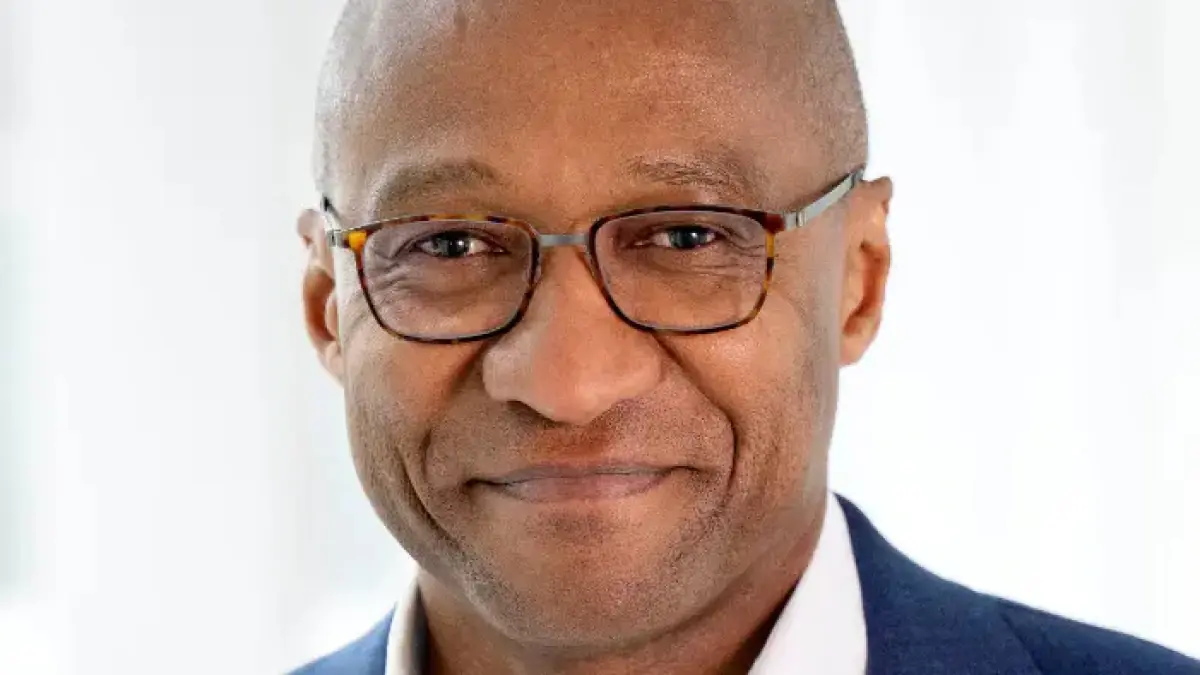
Amid significant changes for the world’s business leaders, Mohamed Khande, Global Chairman of PwC, highlighted that the role of the CEO is evolving. Speaking at the World Economic Forum (WEF) in Davos, Switzerland, Kande noted that the demands placed on today’s business leaders have changed dramatically in just over a year. Traditionally focused on business growth and operational efficiency, there are now three mandates:
Changing responsibilities: The new CEO’s mission
Kande made it clear that CEOs need to manage current operations while simultaneously transforming operations and innovating new business models. He believes this change presents one of the biggest challenges for leaders in recent decades. “We have never seen anything like this in 25 years,” Khande said, emphasizing that today’s leaders face unprecedented complexity.
Gap between AI adoption and execution
The rapid integration of artificial intelligence (AI) is a key catalyst for this change. According to PwC’s 29th Global CEO Survey, which included responses from 4,454 CEOs from 95 countries, there is a wide gap between ambition and the actual benefits of AI adoption. Many companies are enthusiastic about implementing AI, but only 10% to 12% report tangible benefits in terms of revenue or cost savings.
- 56% of companies reported getting nothing from AI.
- According to an MIT study, 95% of generative AI pilot projects fail.
- Only 30% of CEOs express confidence in their business’ growth.
Khande emphasized that a lack of basic rigor, such as clean data and effective governance, is contributing to this discrepancy. “It’s not about the technology, it’s about the execution,” he said, stressing the importance of solid leadership and management.
paradox of confidence
Interestingly, while CEOs are expressing confidence in the global economy, their confidence in achieving personal business growth has declined. CEO confidence in sales growth has fallen significantly, from 56% in 2022 to just 30% in the latest survey. This disparity presents a disturbing paradox and highlights the need for agile leadership.
Workforce transformation
Changing CEO expectations also impact employee dynamics. Khande warned that AI is disrupting traditional career paths that often relied on hands-on learning. Future career development will require a focus on “systems thinking” rather than just task execution, reflecting the capabilities of AI.
The future of innovation
All in all, despite the current uncertainties, Kande remains optimistic about the future. He argues that examining historical innovations can provide insight into today’s challenges. Khande believes we are on the brink of a new wave of innovation, similar to infrastructure booms of the past.
This view is supported by CEO Research’s prediction of a decade of innovation and industry restructuring. Companies that explore new sources of revenue may see improved profit margins and greater confidence in future growth.
Khande concludes on a hopeful note, encouraging leaders to embrace change rather than fear it. “We have to accept that,” he insisted, urging executives to seek understanding in this time of change. Embracing this change is critical to navigating the complexities of today’s business environment, especially as it relates to AI.


